The Nightly Glass of Wine That's Making Your Perimenopause Worse
Jul 03, 2026
Not gonna lie: I loved alcohol. Truly. For those of you who know me as this teetotaler, I want you in on the other version of me you can't possibly fathom: me regularly drinking until I blacked out, having to ask my friends to fill in the details of the night before. Hangovers that lasted five days. Being known in my friend circles for my generous pours — 2/3 gin, 1/3 tonic — my friends called them "JAS-pours" (my initials are JAS).
I really liked to drink. I was a party girl, and everyone loved my homemade egg nog, made with real cream and an entire liter of Jack Daniels; to say nothing of my legendary Glühwein, a traditional German holiday drink made from wine, spices, fruit, and brandy. I hit every holiday party hard - and was a hit at every holiday party - let me tell you (well, the ones I can remember). Even as recently as three years ago, I was still at it pretty hard.

But after waking up night after night with steaming migraines, body aches, gut issues, irritability & anxiety and completely unable to reset my nervous system, I finally took a long hard look at my habits. And the impact of alcohol on women and our health in midlife is significant. Significant.
Your Liver Sees Alcohol and Sugar the Same Way
So here’s the science: Alcohol and fructose — the sugar in processed food — are processed by the liver through very similar pathways. The destination is the same: fat production. Let’s say that again, for the folks who skimmed the last sentence: alcohol directly contributes to fat production and storage. When alcohol arrives, your liver's entire job becomes getting rid of it because ethanol is toxic. The byproduct of that process is fat — triglycerides — stored in your liver and your bloodstream. Exactly what happens with excess fructose. Same organ, same overwhelm, same result.
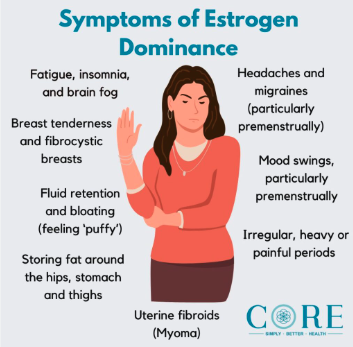
But what most people don't know is the perimenopausal impact of alcohol on your hormonally-declining system. Your liver doesn't just process alcohol and sugar — it's also where your estrogen gets metabolized and cleared. And your liver can only do so many things at once. When it suddenly gets handed a toxin, it needs to prioritize clearing that, so estrogen clearance gets deprioritized. That contributes to estrogen dominance — bloating, breast tenderness, heavier periods, mood swings — all things many of us in perimenopause are already navigating. You're not just overloading your liver. You're interfering with the organ that's supposed to be helping you manage your hormonal transition.
And Then Alcohol Impacts Your Insulin
We’ve talked a lot recently about Insulin, sugar and fat storage. Insulin is the hormone that tells your body whether to burn fat or store it. Alcohol directly causes insulin resistance — it interferes with the signaling pathway that tells your cells insulin has arrived. When that message gets scrambled, your pancreas overcompensates. More insulin. And more insulin means fat-storage mode, not fat-burning mode.
In perimenopause, this hits harder because estrogen is insulin-sensitizing. As estrogen declines, insulin sensitivity naturally falls — your baseline is already shifting. Every drink pushes against a system with less capacity to absorb the hit than it had ten years ago. This is why the midsection weight that never used to be there suddenly is. It's not age. It's the combination of declining estrogen and habits that used to be fine and aren't anymore.
One more thing worth knowing: in perimenopause, our bodies metabolize alcohol more slowly than they did when we were younger. Less estrogen means lower levels of the enzyme that breaks down ethanol. The same amount produces a higher blood concentration and stays in your system longer than it did at 35. This is why you keep saying, “wow, I just cannot drink like I used to” when you’re hungover for days after a big night out. That's not in your head. It's pharmacokinetics.
Then Cortisol Gets Involved
And alcohol also activates your stress response — it stimulates the HPA axis, your cortisol control center. The same night you drink, alcohol raises cortisol, which tells your liver to make more glucose. Blood sugar goes up. Insulin goes up. Two separate mechanisms driving fat storage, simultaneously.
In perimenopause this is a particularly cruel combination. Estrogen normally acts as a brake on your cortisol response, keeping it from spiking too high or staying elevated too long. As estrogen declines, that brake weakens. Alcohol — on top of already-dysregulated cortisol — is pouring fuel on a fire perimenopause already lit. So here come the hot flashes out of nowhere. The heart pounding at 2am. The anxiety spikes with no obvious explanation. Cortisol dysregulation is often underneath all of it — and alcohol feeds it directly.
So the woman who has two glasses of wine every evening to “decompress" doesn’t know it, but
mommy’s little helper is hijacking her stress-response system. It's not relaxing her nervous system; it’s revving up her cortisol every single night.
And It's Quietly Destroying Your Sleep
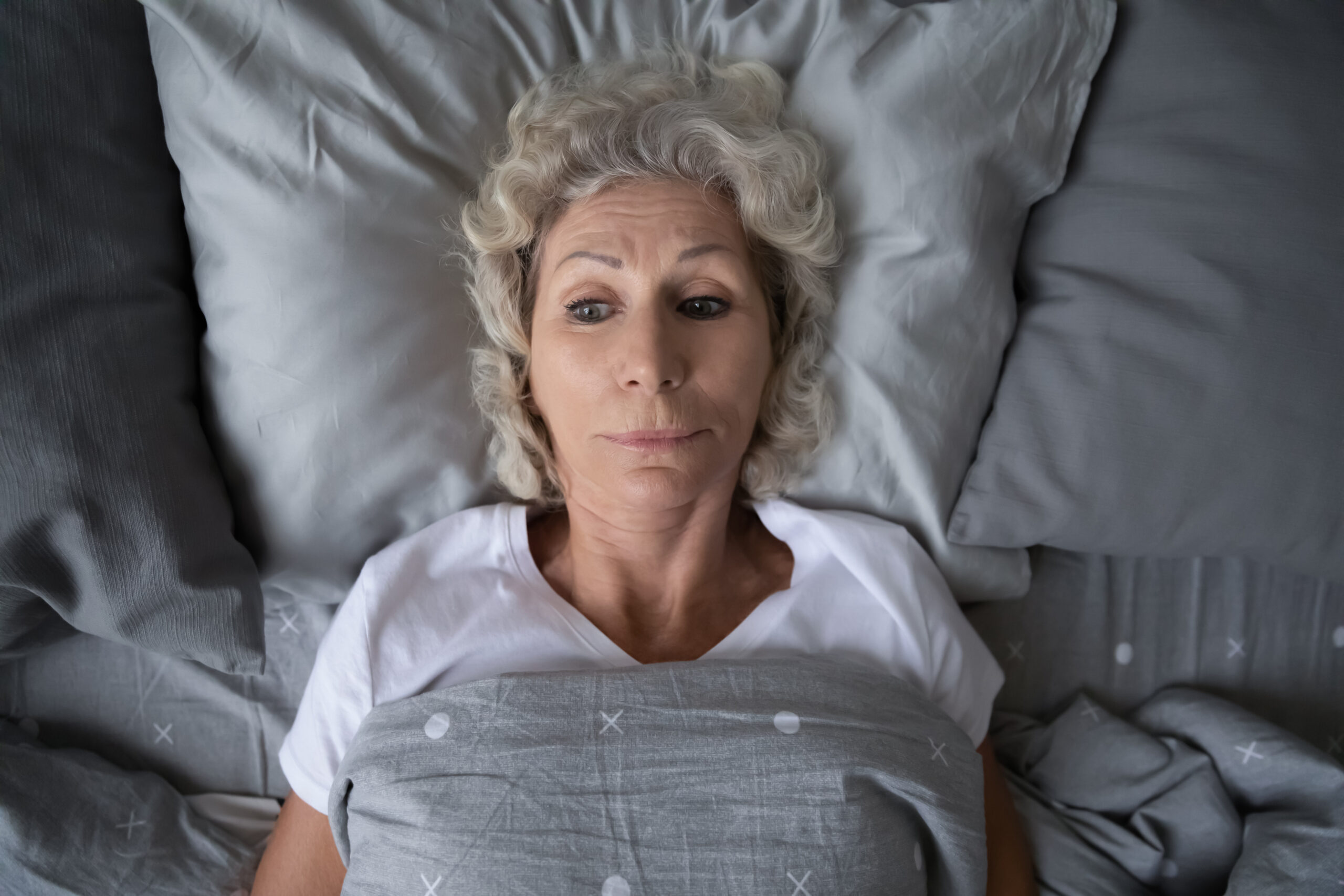
Myth: alcohol helps you fall asleep. Reality: alcohol doesn't give you good sleep. It gives you unconsciousness. Those are very different things.
We think of sleep as ‘down-time’ or useless, but it’s actually an active, intensive biological process — your brain consolidating memory, clearing metabolic waste, regulating emotions; your body releasing growth hormone, repairing tissue, and cycling through the hormonal processes that govern your metabolism. Alcohol sedates you by suppressing your central nervous system, which feels like sleep because you're not conscious — but it actively suppresses the REM and deep slow-wave stages where all of that restorative work happens.
In perimenopause, your sleep is already under siege. Declining progesterone — which has a natural sedative effect — makes falling asleep harder. Declining estrogen disrupts thermoregulation, which is why night sweats wake you drenched and furious. Alcohol makes every one of those mechanisms worse. It's vasodilatory — it raises your skin temperature and triggers hot flashes. Its rebound effect hits in the second half of the night, exactly when your estrogen is already at its lowest, causing that wide-awake-at-3am feeling so many of us know well. And the fragmented sleep that follows spikes your cortisol the next morning, which spikes your insulin, which drives fat storage — and the whole cascade starts again before you've had your coffee.
Alcohol doesn't help you sleep. It helps you stop being awake. Not the same thing.
But Wait. What About those Red Wine Studies, Juliana?
I know. I asked about this too, because who doesn't love a smokey, rich Barolo? Red wine contains resveratrol, a polyphenol with real antioxidant properties, and for years I used those studies to justify my habit.
Here's the reality. The resveratrol in a glass of wine is so negligible you'd find more in a handful of blueberries — without the ethanol attached. And those studies showing moderate drinkers to be healthier? They have a significant flaw: people who quit drinking often do so because they're already sick, making the non-drinking group look unhealthier than it actually is. When researchers correct for this, the protective effect largely disappears.
And for women in perimenopause specifically: alcohol increases breast cancer risk. Even moderate consumption. That is not a small footnote.
So what the science is actually saying? It doesn't say alcohol is good for you. It says some people who happen to drink moderately also tend to have other healthy habits. Correlation, not causation.
Gosh, this is depressing, Juliana. Is there anything good about Alcohol?
I want to tell you what's on the other side, because if I’d heard this, I would’ve cut it out sooner. When you remove alcohol, the first thing most women notice is sleep — real sleep, the kind where you wake up actually rested instead of just done being unconscious. Within weeks, your night sweats often reduce dramatically, sometimes disappearing entirely, because you've removed one of the primary triggers of vasodilation that was setting them off.
The 2am waking quiets. The morning anxiety — that low-grade dread that had no name — lifts. Hot flashes become less frequent and less intense because your cortisol is no longer being wound up every night and your liver is finally free to do its job clearing estrogen properly. Brain fog starts to clear and you can find the edges of your brain again, remembering names and dates just as clearly as you used to. Your mood stabilizes. The irritability that you'd been blaming on perimenopause, or stress, or just who you'd become — softens.

Your skin looks different - it becomes luminous and glowy, even as you’re in your late 40s and early 50s. All that puffiness (inflammation) that was living in your face and body? Drains. So your eyes look more refreshed and awake. Less puffy. Your jowls look less saggy. And your relationship with food changes, because alcohol was spiking your blood sugar and driving cravings you thought were about hunger but were really about chemistry. None of this is a miracle. It's just your body doing what it was always capable of doing, once you stopped giving it a toxin that it needed to contend with.
So Does this Mean I'm Never Drinking Again?
I'm not here to tell you never to drink again. What I want is to make sure you have the correct information, so you can make an informed decision about alcohol in your life.
For me, once I understood the mechanism — really understood what was happening to my liver, my insulin, my cortisol, my sleep, my hormones — my relationship with alcohol changed on its own. I got to a point where I just didn’t want to keep self-hurting myself. I didn't want to keep feeling like crap. I loved alcohol but it really didn’t love me back, and it was incredibly expensive on my hormonal, mental and physical health.
Do I drink today? Occasionally. And by occasionally, I can count on one hand the number of drinks I have in a year. I’ve cut way back and I am so much better off for it. I honestly don’t miss it at all. (How I got here is another story, for another blog post.)
Here's what to take away from this: you are not at the mercy of your symptoms. Perimenopause is a transition, and it can be intense for many of us. And some much of what you've been chalking up to hormones — the broken sleep, the anxiety, the hot flashes, the weight that won't move, the brain fog, the mood — may have a significant accomplice in your glass. Removing it, or even meaningfully reducing it, is one of the highest-leverage things you can do for your body.
If perimenopause is really running you through the ringer, I urge you to quietly consider alcohol as something worth reducing or eliminating. You have more power over how you feel in midlife than you've been led to believe. This is an excellent place to start.
_________________________________________________________________________________________________
Did you find this post informative? Drop me a note, I read every single one!
x
Juliana
Author