
Creatine for Midlife Women: Strength, Sharpness, and the Science of Aging Well
Oct 28, 2025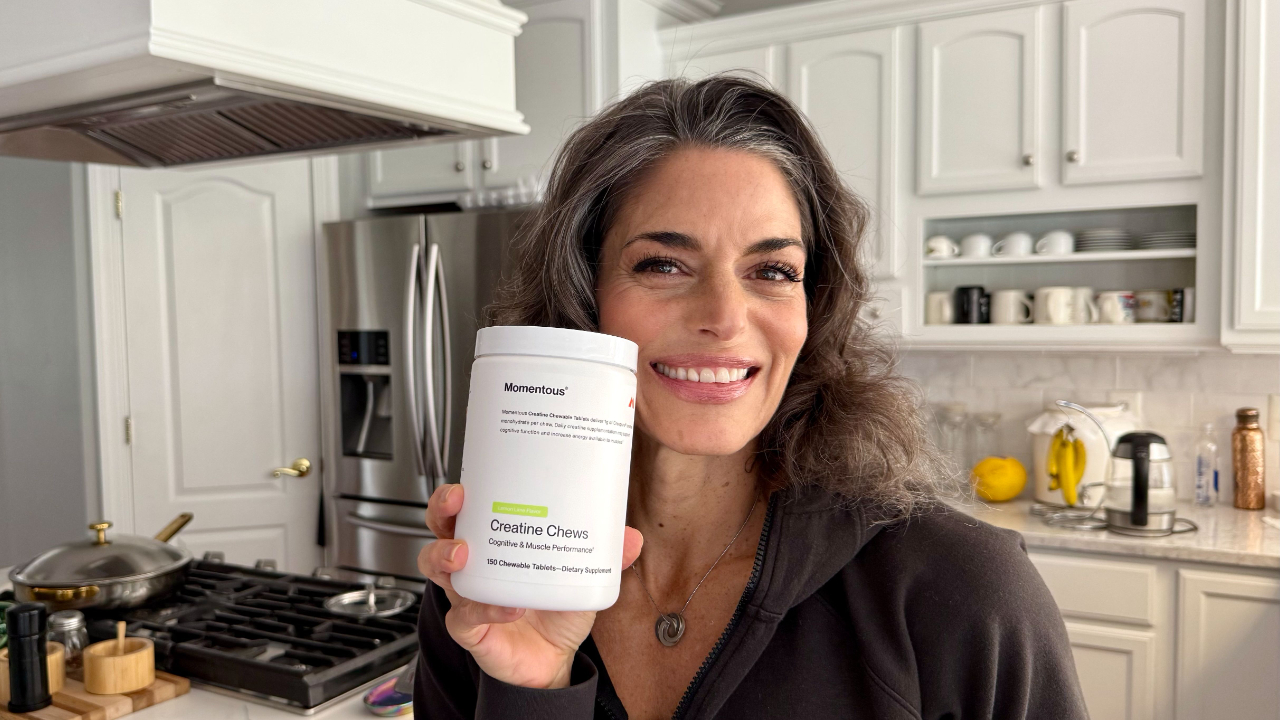
If you still think creatine is just for bodybuilders, it’s time for a reframe.
In midlife — when estrogen dips, muscle mass declines, and brain fog creeps in — creatine might be one of the simplest, most research-backed supplements you’re not taking yet.
Once reserved for the gym crowd, creatine is quickly becoming a midlife essential — not just for muscle strength, but for brain health, bone density, and hormonal resilience. And the latest research (published just last week) adds another layer: creatine may improve cognitive function in women during perimenopause and beyond.
Let’s unpack why this humble amino acid compound deserves a place next to your protein and vitamin D.
🧬 What Creatine Actually Does
Creatine helps your body recycle energy at the cellular level — especially in muscles and the brain. It helps regenerate ATP, the molecule your cells burn for quick, powerful energy.
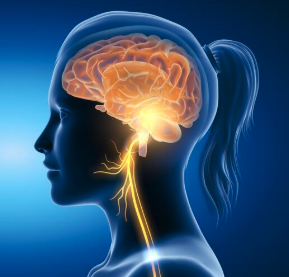
About 95% of creatine is stored in muscle tissue, but the rest is found in your brain, where it supports memory, mood, and focus. Women naturally have lower creatine stores than men, and those stores drop even further with age and hormonal changes — meaning supplementation may offer bigger benefits for women in midlife.
🧠 The Latest Research: Creatine and Cognitive Function in Midlife
A new meta-analysis published in Frontiers in Nutrition (October 2025) found that creatine supplementation improves memory, attention, and processing speed, particularly in women and older adults. Researchers believe that as estrogen declines — and the brain’s energy metabolism shifts — creatine helps maintain consistent energy availability to neurons.
In plain English: creatine helps your brain think clearly when hormones fluctuate.
That’s big news for women navigating perimenopause and menopause, when brain fog, forgetfulness, and fatigue are common. Creatine may help buffer those dips by giving the brain a steadier fuel supply.
💪 Why It’s Especially Helpful in Midlife
But it's not just for cognitive function. Creatine supports much more than your brain or your workouts:
-
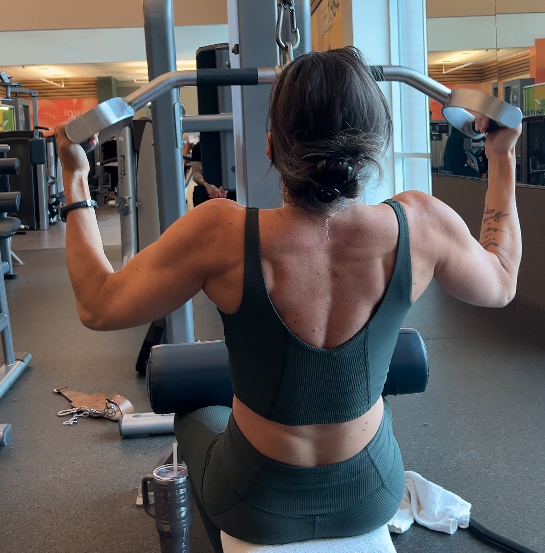
Muscle preservation: Women lose 1–2% of muscle per year after 40. Creatine helps slow that process by improving training capacity and recovery.
-
Bone health: Creatine, combined with resistance training, has been shown to support bone density — a key concern after menopause.
-
Mood and focus: Emerging data shows it may help stabilize mood and support mental sharpness during hormonal transitions.
-
Metabolic support: Stronger muscles and better ATP production improve glucose handling, supporting healthy blood sugar and hormone balance.
⚖️ Drawbacks & Myths: What You Should Know
Let’s talk about the elephant in the room — water weight.
Creatine helps muscles retain water inside the cells, which is actually a sign it’s working. This cellular hydration improves performance, recovery, and even the look of fuller, more toned muscles.
However:
-
It’s not bloating in the uncomfortable, puffy sense — it’s intracellular hydration, not water retention under the skin.
-
Most women notice little to no visible change, and any small increase in scale weight (1–2 pounds) reflects more hydrated, energized muscle tissue.
-
If taken consistently and at a moderate dose (3–5g/day), it doesn’t cause swelling or “bulk.”
Other possible side effects can include mild stomach upset if taken on an empty stomach or with too little water. Splitting your dose or taking it with food usually resolves this.
Bottom line: creatine won’t make you bulky or bloated — it makes your muscles (and your brain) perform better.
🍬 An Easier Way to Take It: Momentous Creatine Chews
If you’ve ever struggled with chalky powders or remembering to mix your supplements, you’ll love this: Momentous just launched their new Creatine Chews — and they’re a great add to my daily supplements. Each serving delivers a research-backed dose of 1g of pure creatine monohydrate — no loading, no mixing, no aftertaste.
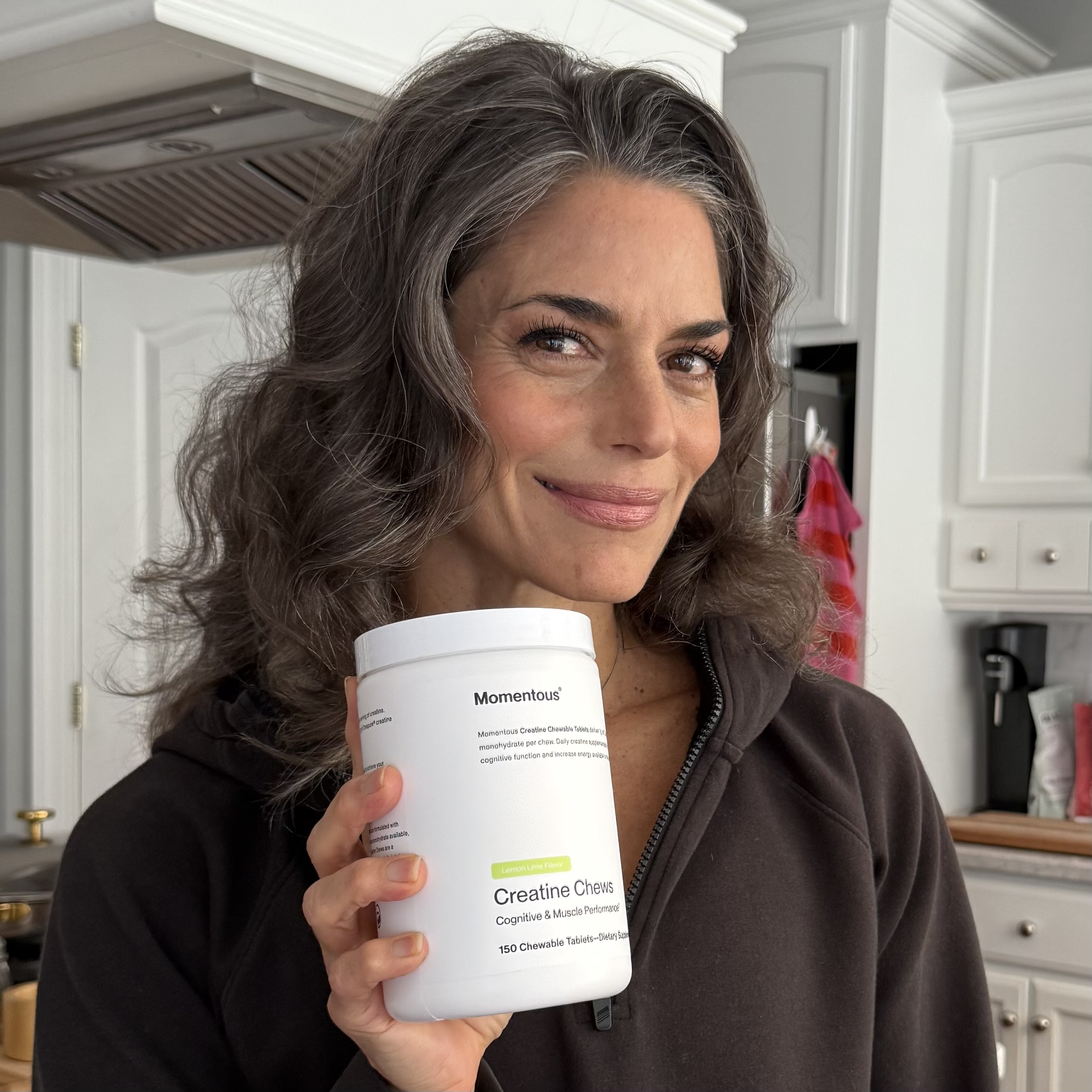
They’re NSF Certified for Sport, made with clean ingredients, and ideal for women who want a consistent, easy routine that supports strength, energy, and cognitive health — without the guesswork.
(You can learn more about Momentous Creatine Chews here — I’m thrilled to see a clean, science-forward brand finally make creatine approachable for women.)
🌸 How to Use Creatine in Midlife
-
Type: Creatine monohydrate (the most studied, most effective form).
-
Dose: 3–5g per day — consistency matters more than timing.
-
When to take it: Anytime — with a meal, smoothie, or your post-workout snack.
-
Pair it with: Strength training and a protein-forward diet for best results.
-
Hydration: Drink plenty of water, since creatine draws water into muscle cells.
✨ Takeaway: The Midlife Edge
Creatine is a powerful ally for women in midlife. It supports your muscles, mind, and metabolism, all while aligning with your body’s natural rhythms.
And now, with options like Momentous Creatine Gummies, it’s never been easier (or more delicious) to add this evidence-based supplement to your daily wellness routine.
Because strength, clarity, and vitality aren’t reserved for your 20s — they’re built, supported, and sustained right here, in midlife and beyond. Let's do this, lovelies; let's age well naturally. 💪🌿
x
Juliana
PS - if you enjoyed this blog post, drop me a note in the comments below and👇 sign up for our monthly newsletter! 👇 Our monthly newsletter has all kinds of strategies on how to age well: nutrition, exercise, sleep, HRT, clean beauty, facial exercise & more.
Author