Dull Skin? Eat these Seven Beauty Superfoods to Revive your Glow Up
Feb 16, 2026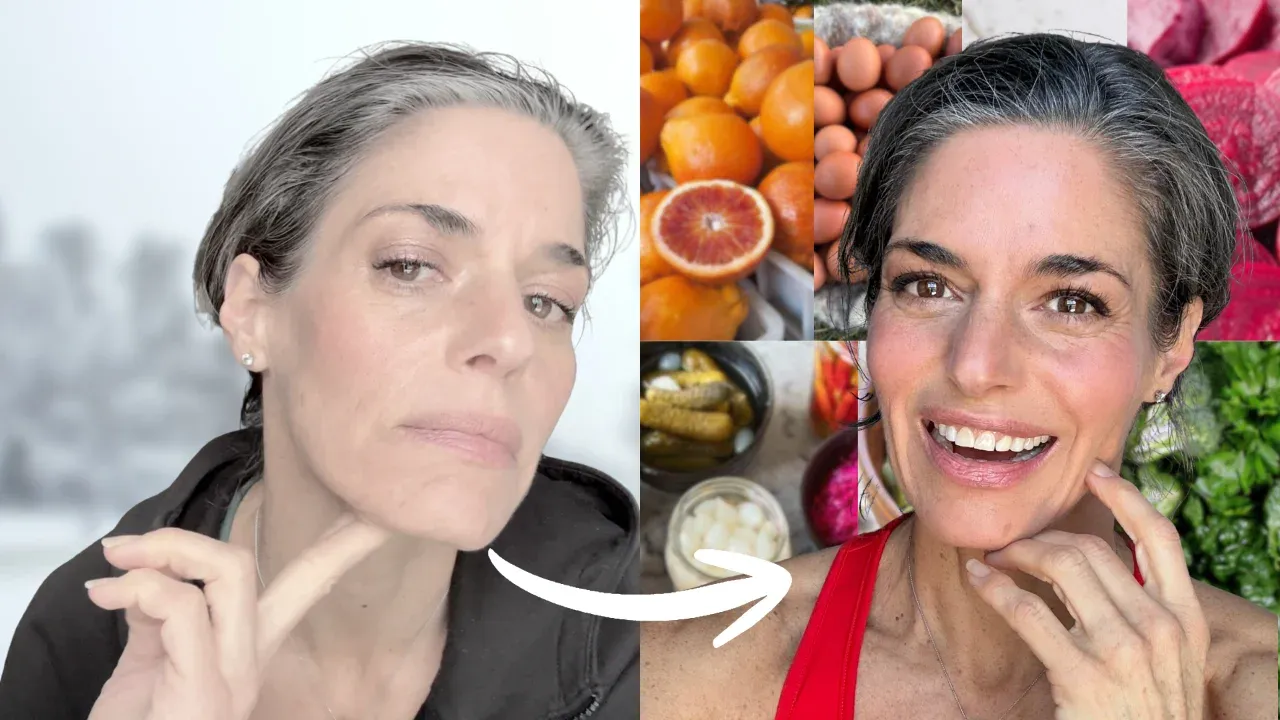
By the end of winter most women notice a shift in the mirror:
Skin looks dull. Lips stay dry no matter what balm you use. Under-eyes look darker. Fine lines suddenly look… louder.
I mean, it kind of makes sense, right? After months of limited sunlight & overcast skies, indoor heat, heavier foods, and slower circulation, the body shifts into a mild repair state. Collagen production dips, cellular turnover slows, and inflammation tends to creep up quietly.
But this problem is best fixed with nutritional inputs, not skincare (that’ll take longer, and won’t be as effective). Because skin isn’t built in the bathroom — it’s built in the bloodstream.
Here’s what I’m adding to my diet in late Winter / early Spring to restore hydration, brightness, and elasticity from the inside out.
1. Blood Oranges (Vitamin C for Collagen Restart)
Late winter is peak season for blood oranges — and they’re one of my favorite skin foods right now. They’re high in Vitamin C, which is an antioxidant, of course, but it’s also a required cofactor for collagen formation. Without it, your body literally cannot stabilize new collagen fibers.
Bonus: blood oranges also contain anthocyanins (the red pigment), which support circulation and help counter the dull, gray tone skin can take on in winter.
Other fruit you can add to your plate to increase your glow up: kiwi, oranges and grapefruit, all of which are high in Vitamin C and beauty superfoods. How I make this happen: I have a blood orange as part of my breakfast and a kiwi after dinner (because did you know? Kiwi help stimulate melatonin?)
Benefits I notice when I’m consistent:
Brighter skin tone within about two weeks and faster healing.
2. Pasture-Raised Eggs (Skin Structure + Glow)
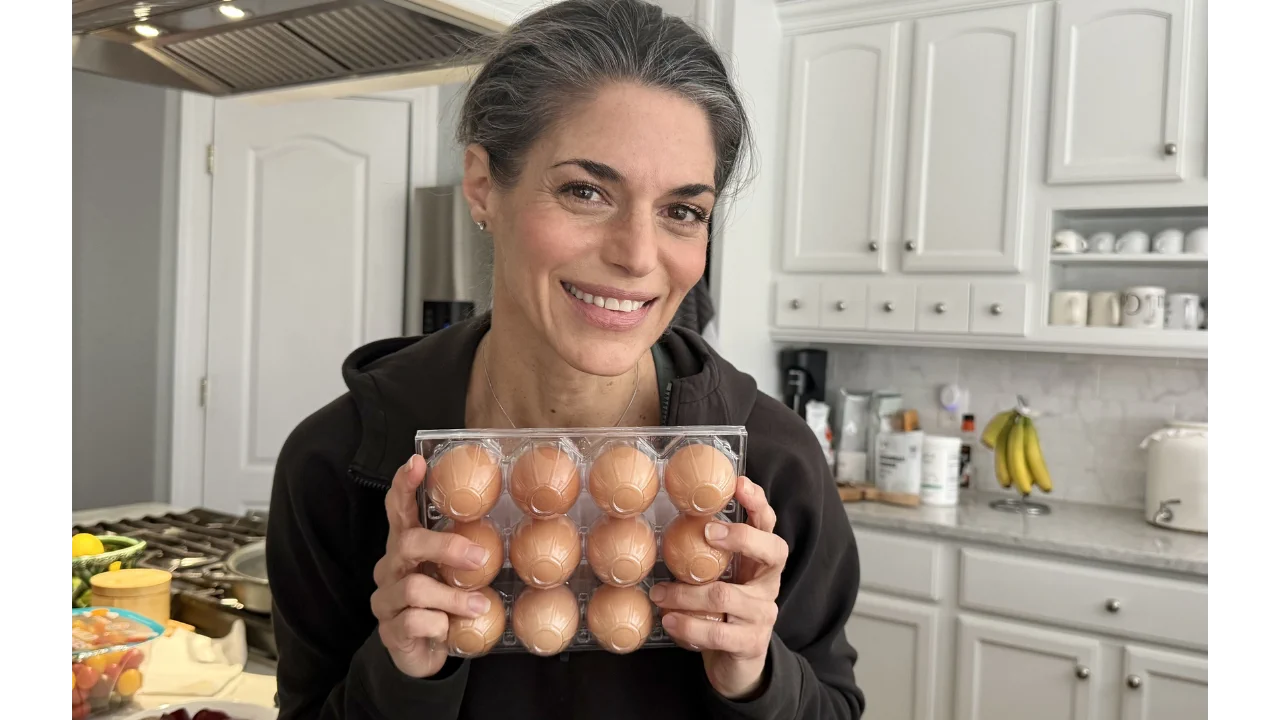
If you know me, you know I’m obsessed with pasture-raised eggs (we get ours from our local farmer’s market). Eggs are one of the most complete beauty foods because they contain:
- Biotin (supports keratin)
- Choline (cell membrane integrity)
- Sulfur amino acids (collagen + hair structure)
- Vitamin A (Nature's retinol!)
In late winter, I double-down on eggs because skin barrier repair depends heavily on fat-soluble nutrients — and eggs deliver these in a very usable form. How I work eggs into my diet: These days I’m loving 3-4 soft-boiled eggs as part of my morning breakfast. It feels very… slowed down and European, and I’m leaning into that.
3. Chicken Thighs & Collagen-Rich Proteins (Elasticity Support)
This time of year I bring back slower-cooked, mineral-rich proteins which help with my glow up:
- Chicken thighs (with skin)
- Bone broth
- Shank cuts
The vegetarians may come for me, but pasture-raised chicken and beef aren’t just “protein.” They provide glycine, proline, and minerals your body uses to build collagen and connective tissue. When that structure is healthier, skin holds onto water better — so it looks more hydrated from the inside out. And bonus: glycine supports deeper sleep… which is when your skin does most of its repair work anyway.
👉 Grab my kiddo-approved, healthy & easy baked chicken teriyaki recipe HERE because it’s one of the easiest ways to make this a regular habit.
4. Beets (Circulation = Natural Radiance)
Late winter skin often looks blah because circulation slows in colder months. So what if you could fix that with… the humble beet? Beets really are a beauty superfood — they improve micro-circulation.
The science: late winter skin often looks dull simply because less blood is reaching the surface of your skin. When circulation improves, oxygen + nutrients reach the dermis → skin looks brighter and more alive.
Beets work well because they’re high in dietary nitrates → your body converts them to nitric oxide → blood vessels relax → more blood flow to the skin. More blood flow = more oxygen + nutrients reaching the dermis.
This is one of the fastest ways to improve:
- under-eye darkness
- pallor
- “tired” looking skin
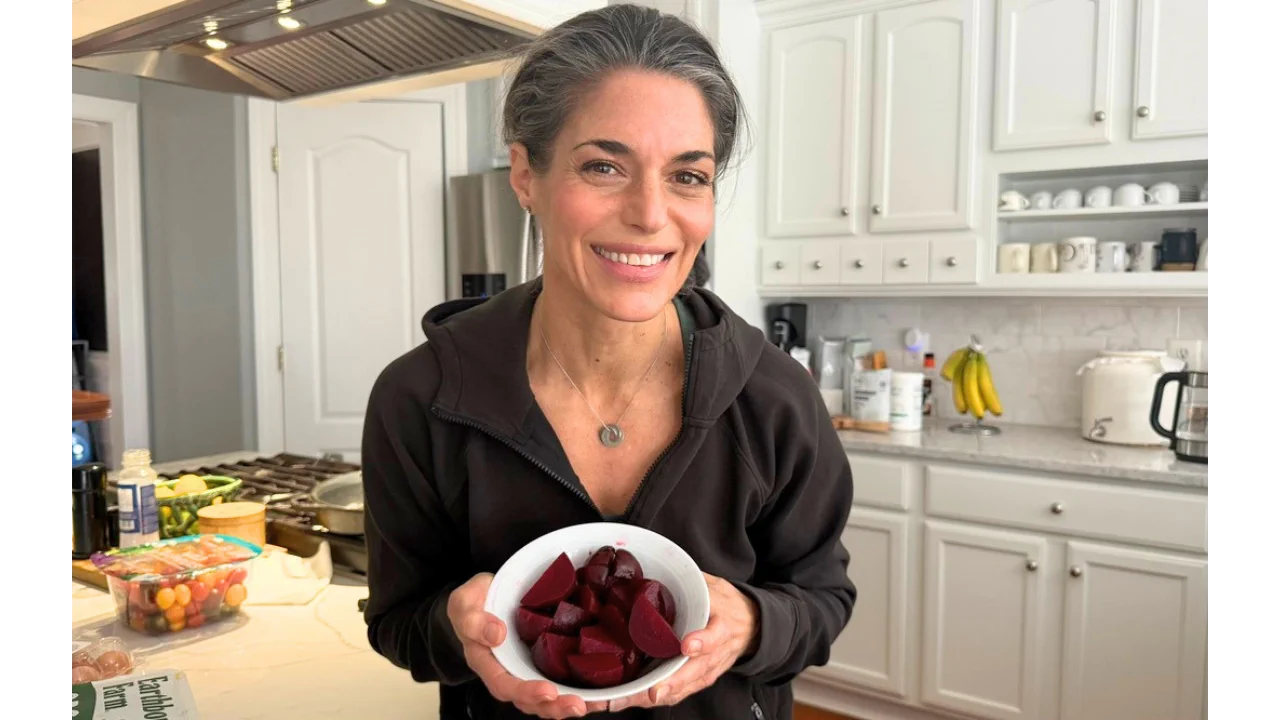
Who knew? I usually grab cooked beets at Costco and toss them into my lunch salads. My kids love them because they’re sweet and I love them for the glow up. Other beauty superfoods that are also high in dietary nitrates? Arugula, Spinach, Pomegranates, Dark Chocolate & Radishes.
5. Fermented Foods (The Gut-Skin Reset)
Winter diets tend to be heavier and lower in microbial diversity. Your gut bacteria regulate inflammation signals that directly affect redness, breakouts, sensitivity and rosacea flares.
Accordingly, I boost my gut microbiome superpowers with fermented foods - I’m German, so I have a particular tendency towards sauerkraut. 🤩
If you’re not partial to sauerkraut, other options for your plate can include:
- Unflavored yogurt or kefir
- Kimchi
- Pickled vegetables
Think of this as calming the skin indirectly through the immune system. I’ll admit, this is an “extra” that’s hard to work into my meals unless we’re having sausages for dinner (which we have quite often). I’ll add a side to my salad and/or dinner, to make sure I get this into my diet.
6. Pumpkin Seeds (Zinc for Repair)
By late winter, many women are slightly zinc depleted — and zinc is essential for:
- wound healing
- oil balance
- collagen remodeling
- reducing breakouts
Even a small daily handful often makes a visible difference in how quickly skin recovers.
A handful of pumpkin seeds is my go-to snack when I’m feeling peckish, but I should really call it a mineral supplement. Not only are they high in zinc, but also magnesium (which helps with sleep & stress), linoleic and oleic acid, which help support the skin barrier and reduce transepidermal water loss (dryness), but they also contain phytosterols which may support androgen balance — helpful for some midlife breakouts and hair shedding patterns.
1/4 cup of pumpkin seeds:
- Calories: ~170–180 kcal
- Fat: ~14–15 g
- Protein: ~8–9 g
- Carbohydrates: ~4–5 g
- Fiber: ~1–2 g
- Net carbs: ~3–4 g
Key micronutrients (approx.)
- Magnesium: ~150–170 mg (great for sleep & muscle relaxation)
- Zinc: ~2–3 mg (skin repair & immune support)
- Iron: ~2–2.5 mg
- Potassium: ~200–230 mg
Snack on these or throw them into salads to get all these beauty superfood benefits.
7. Dark Leafy Greens (Cellular Turnover)
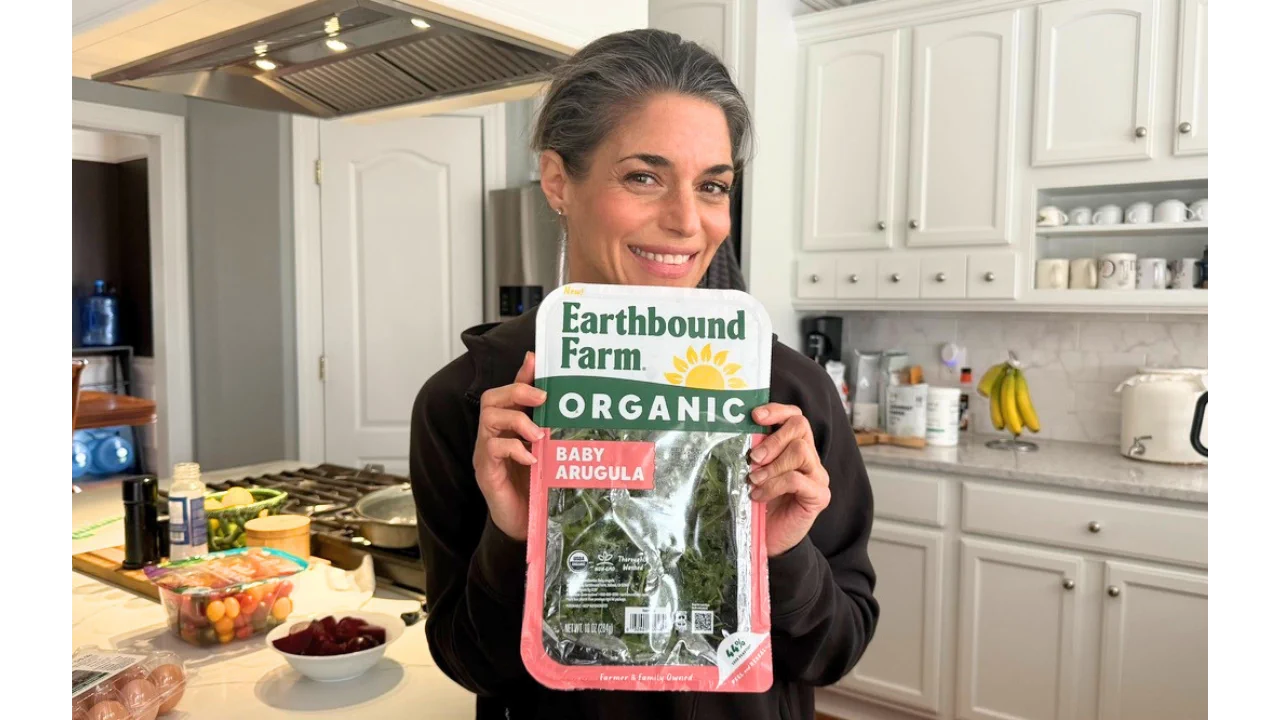
As we move toward spring, I slowly reintroduce dark, leafy greens like Arugula, watercress, and baby spinach because they drive a *big* Glow Up.
Arugula is one of the most underrated beauty superfoods. It’s naturally high in dietary nitrates, which (like beets) relaxes blood vessels and improves circulation. More blood flow means more oxygen and nutrients reaching the skin, which is often the difference between dull, gray winter skin and a natural glow. It also contains folate, magnesium (for relaxation & sleep!), and carotenoids, nutrients involved in cell repair and antioxidant protection, so it supports both delivery and defense at the same time.
Spinach works a little differently. Instead of mainly boosting circulation, it helps regulate skin renewal. The folate supports healthy cell turnover, magnesium helps calm stress responses that can aggravate skin, and carotenoids like lutein help protect against environmental damage while supporting elasticity and hydration.
Together they complement each other: arugula helps nutrients reach the skin, and spinach helps the skin use them properly. One improves delivery, the other supports repair — which is why regularly eating leafy greens often shows up as calmer, clearer, more even-toned skin over time.
How I get these in: steamed spinach as part of my breakfast (which a dash of salt & pepper, tossed in olive oil); and I add arugula to my mixed greens salad that I have on repeat, for lunch.
Why This Works To Revive Skin
Skin is constantly rebuilding itself, but winter shifts the body into conservation mode.
These foods help signal:
repair → circulation → collagen → renewal
Which is perfect for skin coming into vitality.
My Simple Daily Rotation Right Now
Morning: eggs + blood orange + steamed spinach
Lunch: mixed greens + beets + protein (side: sauerkraut)
Snack: pumpkin seeds
Dinner: chicken thighs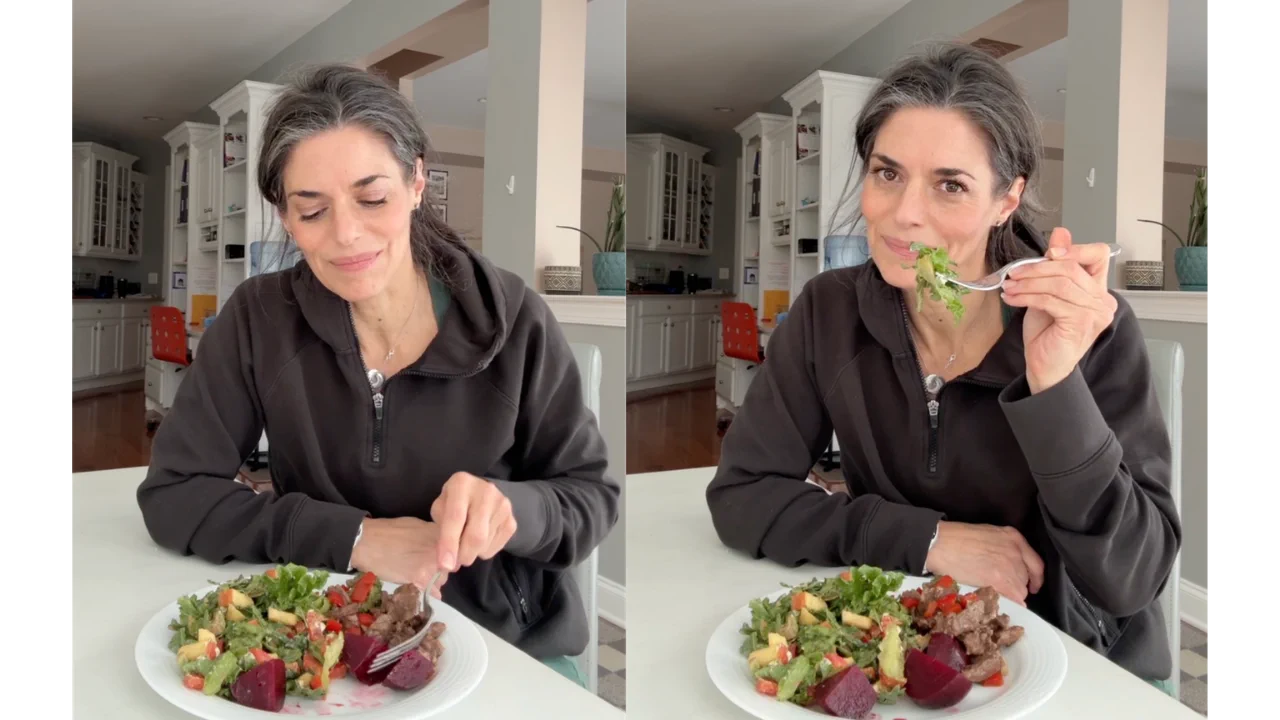
That's it for this blog post, love. Will you try adding these beauty superfoods to your diet? Let me know in the comments below!
x
Juliana
PPS - if you enjoyed this blog post and you're not yet subscribed to our newsletter, sign up for our monthly newsletter! We drop aging well strategies on nutrition, exercise, sleep, HRT, clean beauty, facial exercise & more.
Author