Eating for Strength: How Much Protein Do You Actually Need in Midlife
Mar 16, 2026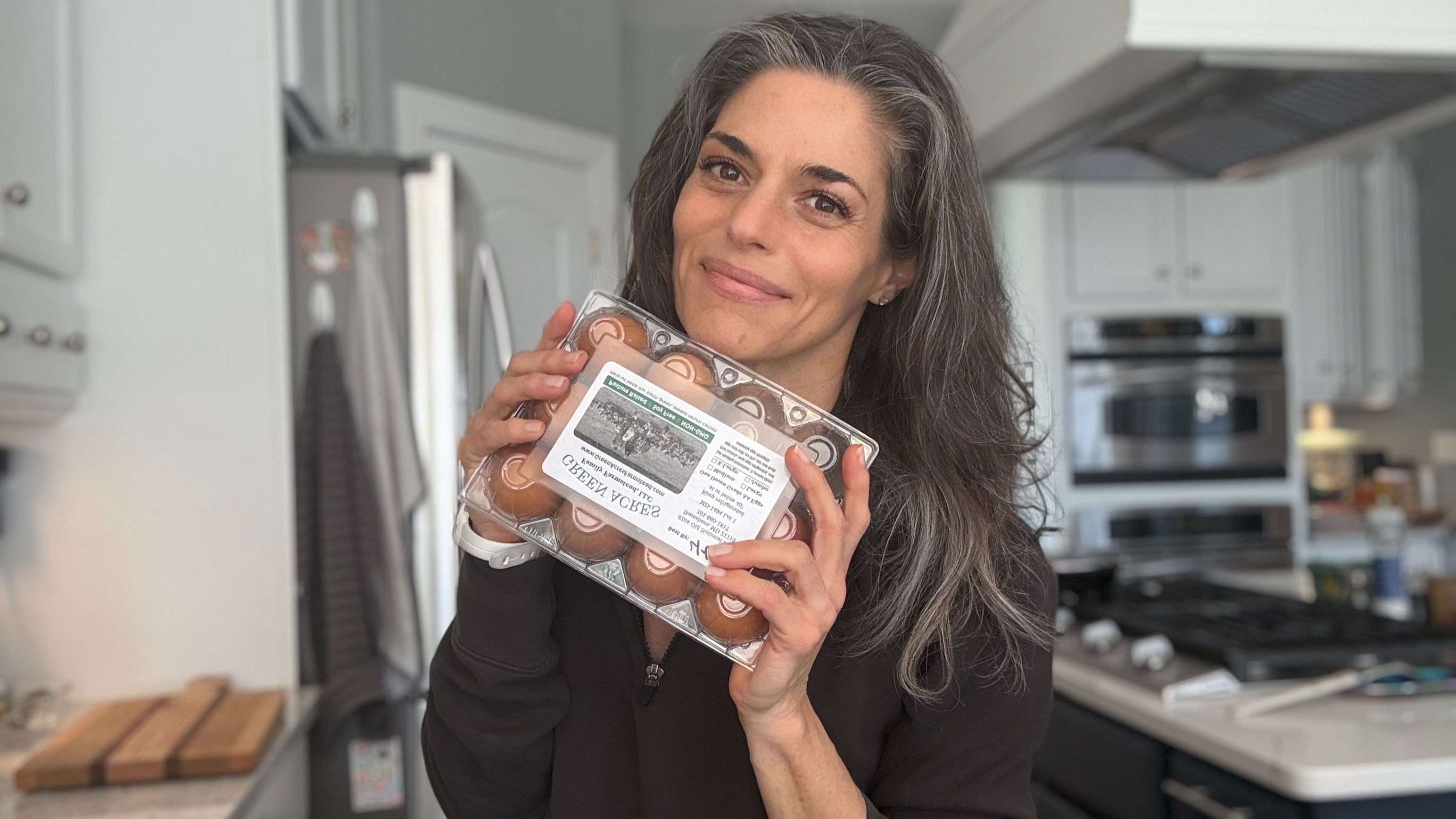
Ask most women over 40 how much protein they eat, and the answer is usually somewhere between "not enough" and "I have no idea." I'm Gen X, and probably like you, I grew up in the era of low-fat everything, calorie counting, and the cultural message that eating less was always better. Protein was what bodybuilders worried about. The "it girls?" I wanted to be like them, and they worried about carbs.
That thinking is worth leaving behind — because in midlife, protein isn't just a macronutrient. It's the raw material your body uses to build and maintain muscle, support your metabolism, stabilize your blood sugar, repair tissue, and keep your skin, hair and nails in good shape. It is, arguably, the most important dietary lever you have right now.
Why Protein Needs Go Up as We Age
Here's the plot twist for women: your protein requirements actually increase as you get older, at the exact time your body becomes less efficient at using it.
In your 20s and 30s, your body responds readily to dietary protein — eat it, use it, build with it. But from your 40s onward, a process called anabolic resistance sets in. Your muscles become less sensitive to the protein you consume, meaning you need more of it to get the same muscle-building signal. Layer estrogen decline on top of that — estrogen supports muscle protein synthesis — and the case for prioritizing protein becomes very clear.
Without adequate protein, the body begins to draw on existing muscle tissue for the amino acids it needs. Over time this contributes to sarcopenia — the gradual, age-related loss of muscle mass that is one of the biggest drivers of frailty, metabolic slowdown, and loss of independence later in life.
The good news: this is largely preventable. And it starts on your plate.
So How Much Do You Actually Need?
The standard RDA (recommended dietary allowance) for protein is 0.8 grams per kilogram of body weight. Here's the thing about that number — it was calculated as the minimum required to prevent deficiency in a sedentary population. It was never designed as an optimal target for active women in midlife who want to maintain muscle and age well.
Current research, including work from leading protein researchers like Dr. Stuart Phillips and Dr. Gabrielle Lyon, suggests that women over 40 who are active and strength training should be aiming for significantly more — somewhere in the range of 1.6 to 2.2 grams of protein per kilogram of body weight per day. For a 68kg (150lb) woman, that's roughly 110–150 grams of protein daily.
That probably sounds like a lot. So let's figure out how to get that in.
Once you learn to prioritize protein on your plate first, and fix everything else (your carbs, fiber, healthy fats) around it to ensure you're hitting your protein goals, it starts to become less overwhelming and more your new normal. And then it actually becomes... easy.
What Does That Look Like on a Plate?
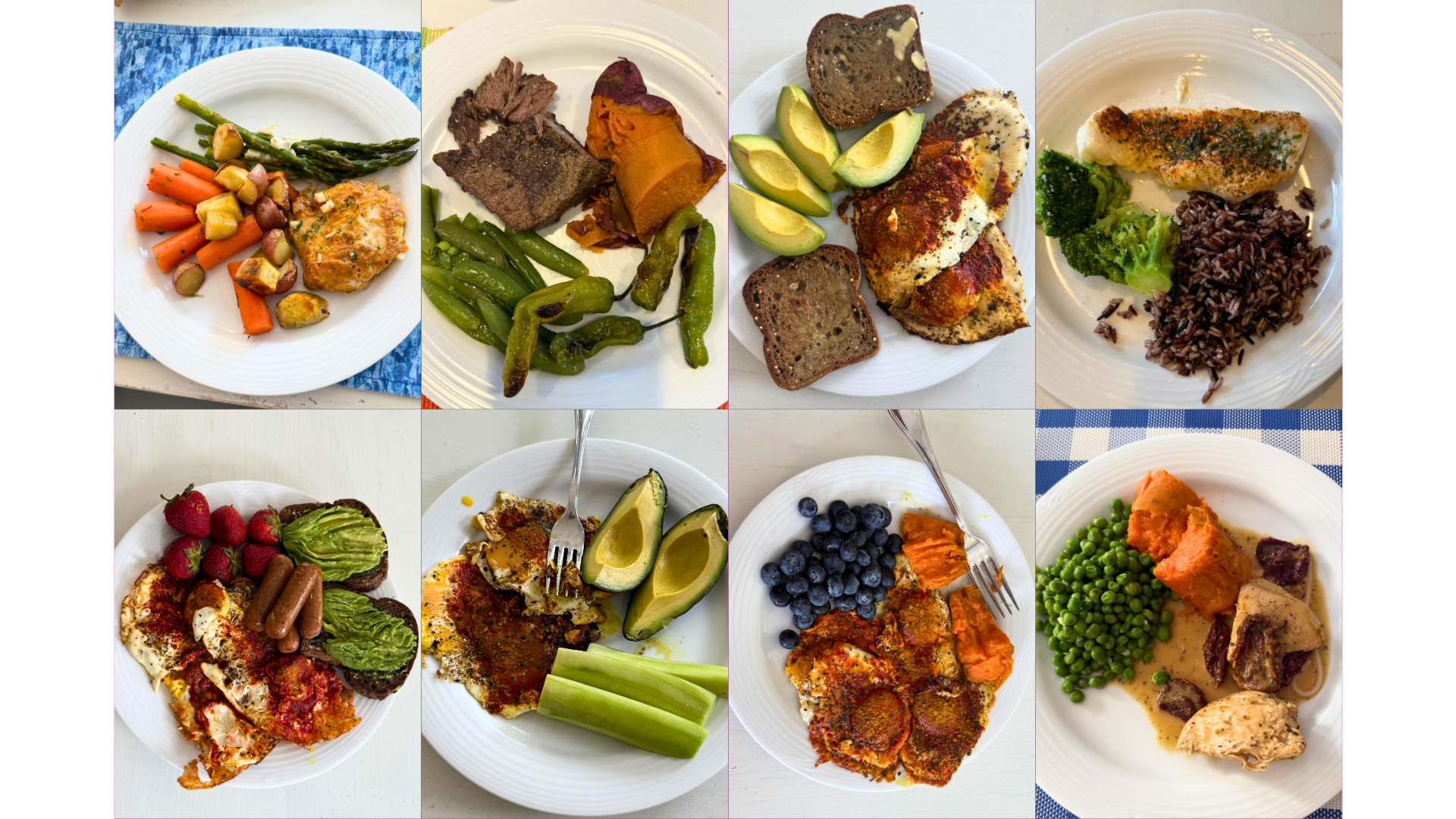
The easiest way to hit your protein targets is to build every meal around a protein source first, then add everything else around it. Here's a rough framework for what 130 grams of protein in a day might look like:
Breakfast: 3–4 pasture-raised eggs + a side of smoked salmon, breakfast sausage or Greek yogurt → ~35–40g protein
Lunch: Large salad with grilled chicken thighs or a tin of wild salmon → ~35–40g protein
Dinner: 150–180g of grass-fed beef, wild fish, or organic chicken → ~35–40g protein
Snacks: A handful of pumpkin seeds, cottage cheese, or a protein shake if needed → ~15–20g protein
You'll notice these are whole food sources. That's intentional. Whole food proteins — meat, fish, eggs, dairy — come packaged with co-factors like zinc, iron, B12, and collagen-supporting amino acids like glycine and proline that you simply don't get from a processed protein bar or smoothie.
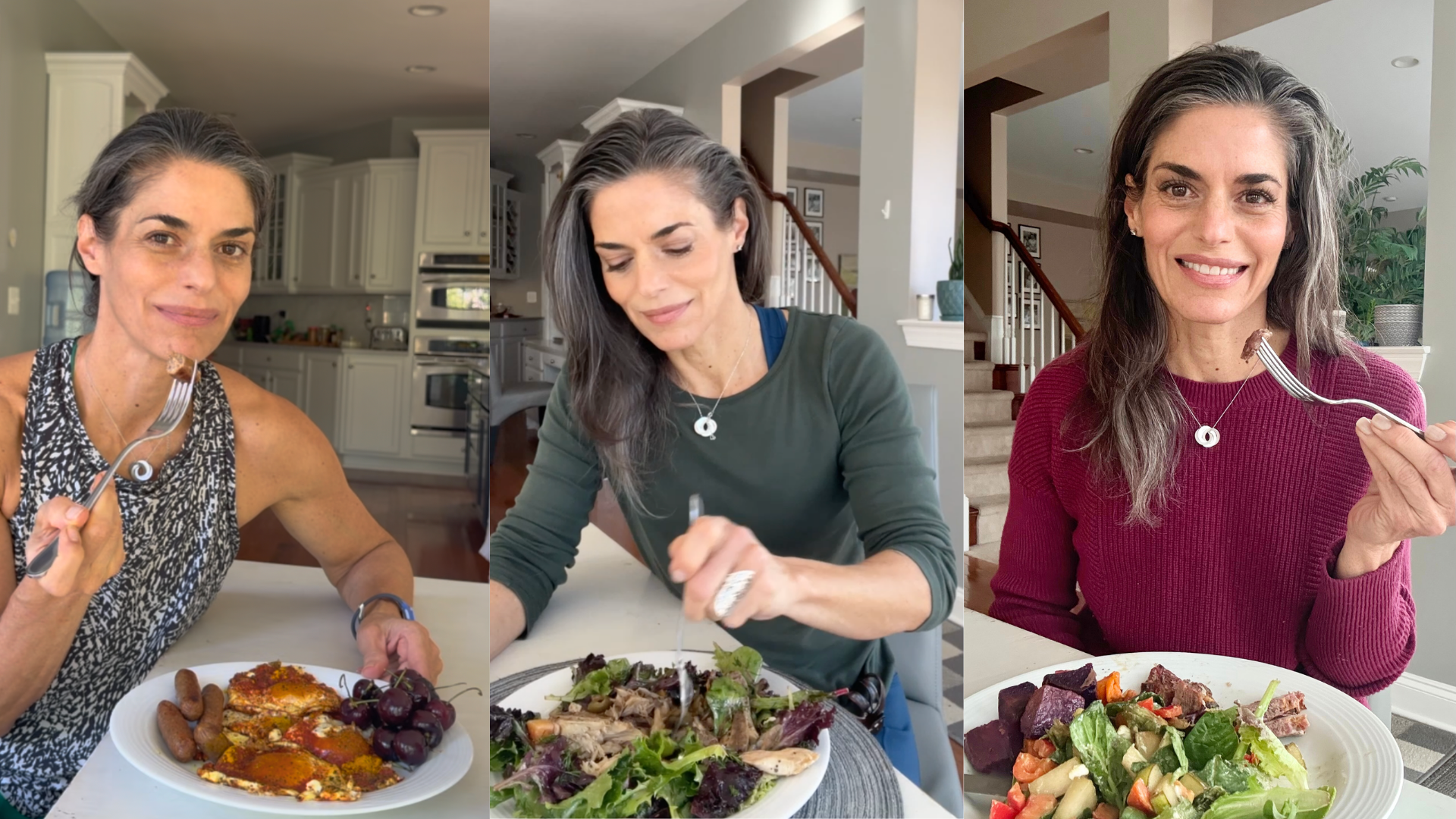
Not that protein powders or bars are bad. I do use them, but I don't depend on them to hit my protein goals. I prefer nutrient-dense, whole foods because my body processes them better. And I know what I'm putting in my body.
The Leucine Factor
If you want to get a little more specific: not all protein is equally effective at triggering muscle protein synthesis. The amino acid leucine is the key signal — it acts like an ignition switch that tells your muscles to start building. To trigger that response, most research suggests you need at least 2.5–3 grams of leucine per meal.
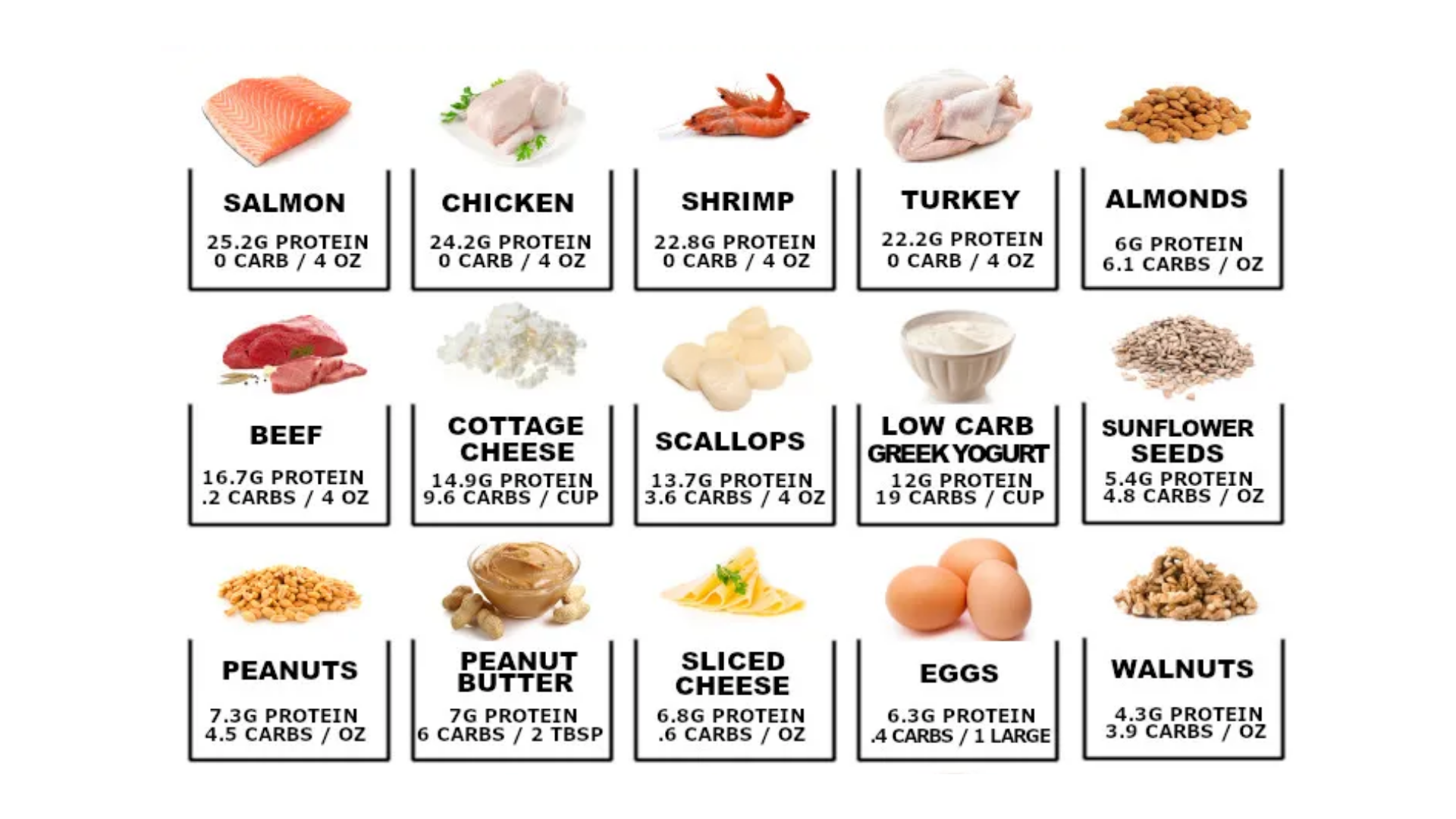
Foods naturally rich in leucine include eggs, beef, chicken, salmon, dairy (especially cottage cheese and Greek yogurt), and whey protein. This is one of the reasons animal proteins tend to be more effective for muscle building than plant proteins — they're higher in leucine and more bioavailable overall.
For women following a plant-based diet, it's absolutely possible to meet your protein needs — it just requires more planning, and often combining sources like legumes, tofu, tempeh, and pea protein to hit sufficient leucine levels.
Protein Timing: Does It Matter?
The short answer: yes, somewhat. Spreading your protein intake evenly across the day — rather than eating very little at breakfast and loading up at dinner — appears to be more effective for muscle protein synthesis. Aim for at least 30–40 grams per meal rather than saving most of your intake for one sitting.
There's also emerging evidence that consuming protein within a couple of hours of your strength training session supports muscle repair and adaptation. You don't need to race to a shake the moment you finish lifting, but making sure your post-workout meal is protein-rich is a worthwhile habit.
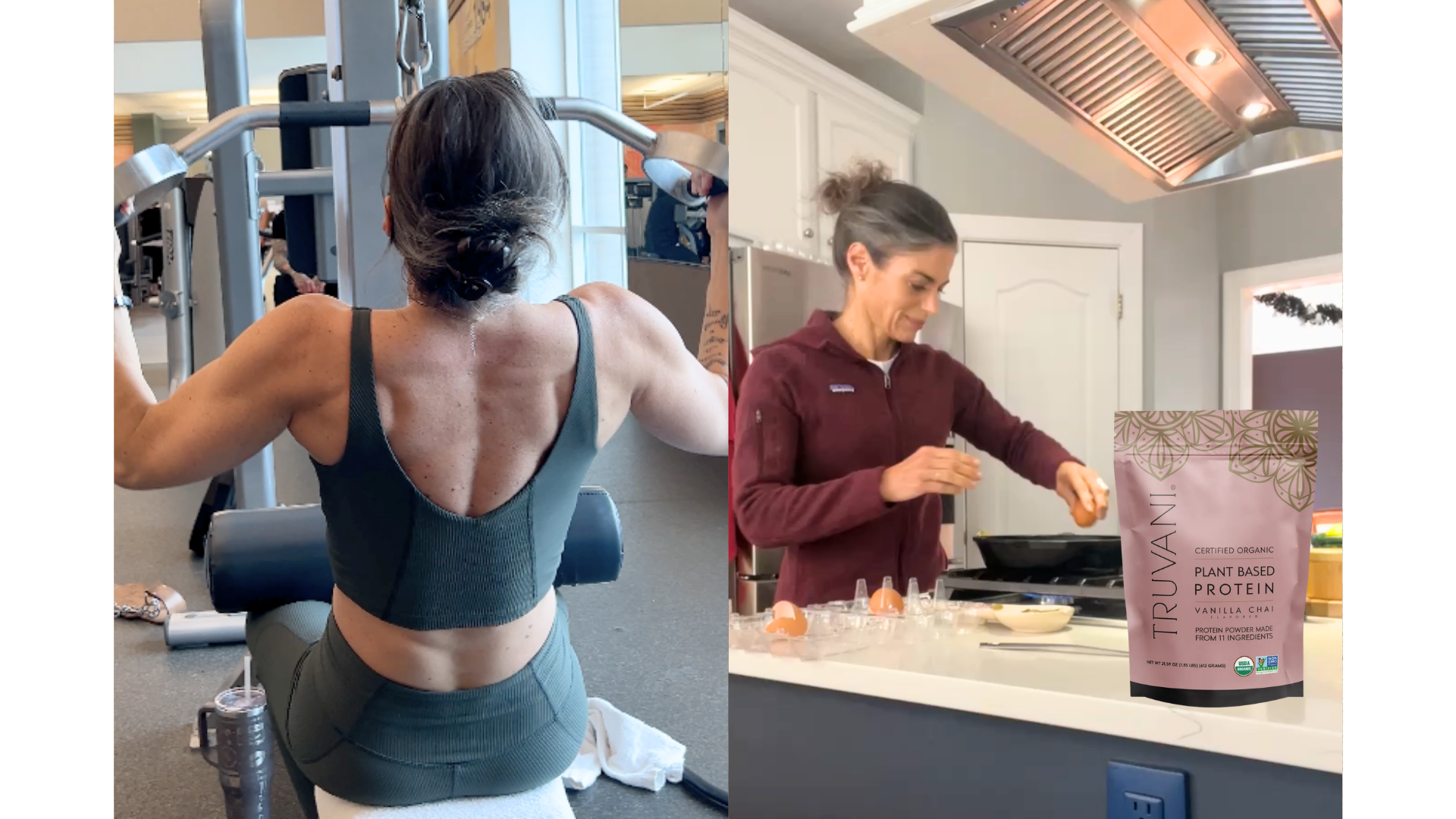
Personally, if I'm having an early morning lift, I make sure I'm taking in a minimum 20g of protein (I'll have a vanilla chai latte with my favorite vanilla protein powder), followed by a healthy protein forward meal upon returning home (usually dinner leftovers or a fantastic egg omelette.
A Word on Protein and Weight
Some women worry that eating more protein means eating more calories and therefore gaining weight. In practice, the opposite tends to be true. (Read that again.) Protein is the most satiating macronutrient — it keeps you fuller for longer, reduces cravings, and has a higher thermic effect than carbohydrates or fat, meaning your body actually burns more calories digesting it. Many women find that when they increase their protein intake, their overall appetite regulates naturally and body composition improves even without deliberate calorie restriction.
This is especially relevant in midlife, when metabolic rate slows and the tendency to hold weight around the midsection increases. Muscle is metabolically active tissue — the more of it you carry, the higher your resting metabolism. Protein is what builds and preserves it. So yes, by all means! Prioritize your protein.
The Bottom Line
If you take one thing from this piece, let it be this: eat more protein than you think you need. Prioritize it at every meal and solve that piece of your food puzzle first. Choose whole food sources where possible. And pair it with consistent strength training — because protein and resistance exercise work synergistically in a way that neither does alone.
Your muscles are listening. Feed them accordingly.
If you need protein-forward meals ideas? I got you! The SilverHighlights E-recipe book just launched! Click here to get your copy today. 
So tell me — are you hitting your protein targets? Or does 130 grams a day sound like a mountain from where you're standing right now? Drop a comment below — I read every single one.
x
Juliana
If you're not yet subscribed to the Aging Well Naturally newsletter, sign up here — we drop monthly strategies on movement, nutrition, sleep, HRT, clean beauty and more.
Author