
Hormones and Strength: How Estrogen Supports Muscle, Mood, and Metabolic Health
Mar 19, 2026
If you've ever felt like your body was taken over by a rouge alien in your 40s — like the front door locks were changed overnight and nobody gave you the new set of keys? — you're not imagining it. The workouts that used to work? Now suddenly don't cut it anymore and recovery takes longer. And what is this little pudge that's holding on for life to your midsection?! Your energy is unpredictable. Mood fluctuates. Sleep is a guessing game.
You probably know by now that this is what perimenopause looks like, and that these symptoms are indicative of hormone decline. Estrogen, specifically. And understanding what estrogen actually does in the body — beyond its reproductive role — changes a lot in terms of how you approach your health in midlife, especially when it comes to strength training.
Estrogen Is Not Just a Reproductive Hormone
What we weren't told: Estrogen receptors exist throughout the entire body — in your muscles, your bones, your brain, your cardiovascular system, your skin, your gut. Estrogen is not a narrow, reproductive hormone. It is a broad, systemic one, one that protects and provides an amazing anti-inflammatory touch. And when it declines, the effects are felt everywhere.
For the purposes of this piece, I want to focus on three areas where estrogen's role is most significant — and most under-appreciated: muscle, mood, and metabolic health.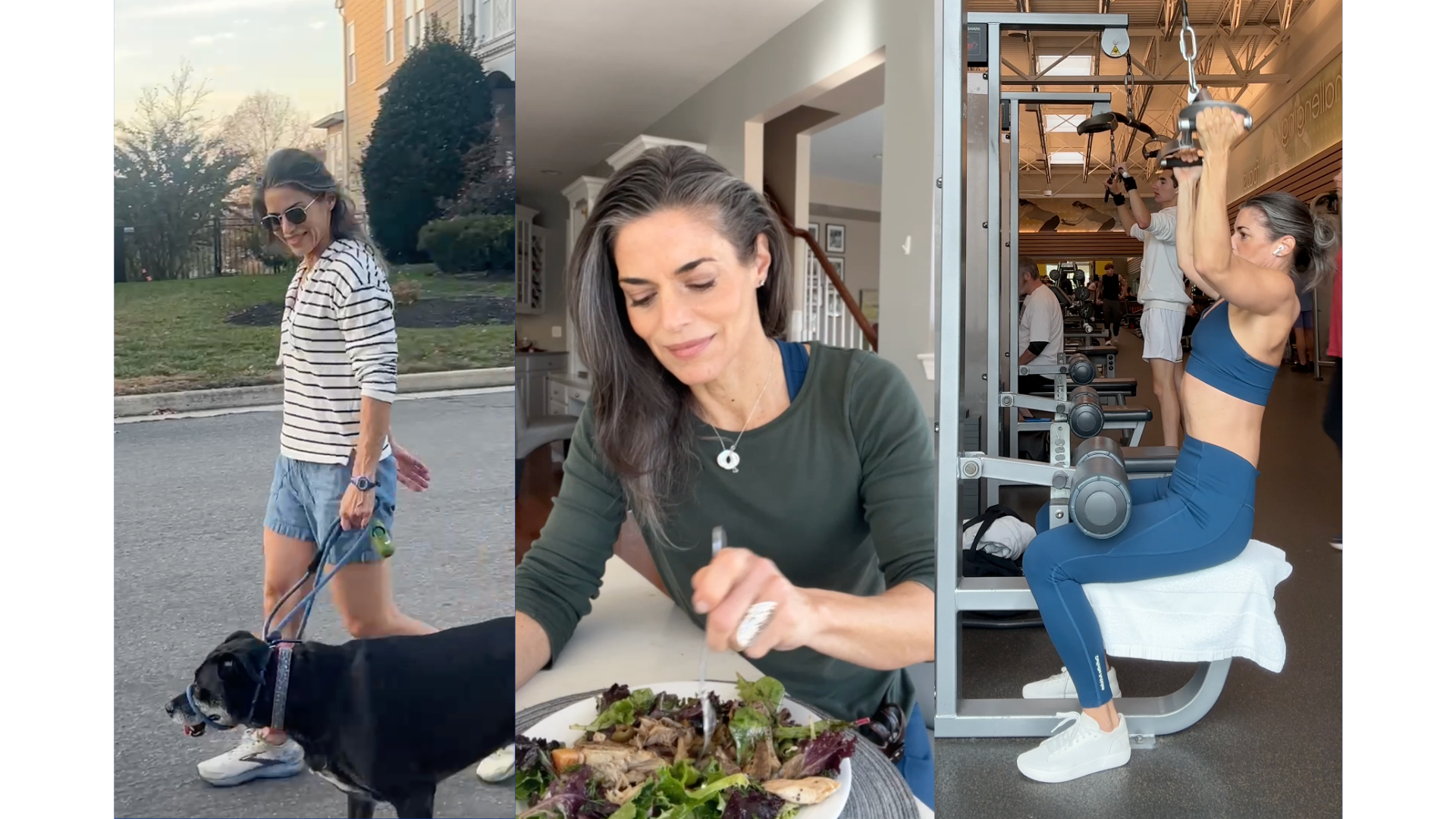
Estrogen and Muscle
Fun fact, but estrogen is directly involved in muscle protein synthesis — the process by which your body builds and repairs muscle tissue. It also plays a role in regulating satellite cells, which are the stem cells responsible for muscle repair after exercise.
When estrogen is present in healthy amounts, your muscles respond well to training. Recovery is efficient. The adaptation signal — the biological message that says rebuild this tissue stronger — comes through clearly.
As estrogen declines, that signal gets fainter. Muscles become less responsive to both exercise and dietary protein. Recovery slows. And the loss of muscle mass that begins in perimenopause — if left unaddressed — accelerates into the postmenopausal years.
This is why two women can be doing the same workout and eating the same amount of protein, and the one with lower estrogen will see significantly less adaptation.
Estrogen also protects connective tissue — the tendons and ligaments that support your joints during training. This is why so many women notice new joint pain, stiffness, and injury vulnerability in perimenopause that has nothing to do with how hard they're training. The scaffolding has changed.
I hit this peak about 3 1/2 years ago, where I would slide out of bed, bewildered. I hadn't worked out the day before and yet here I was, feeling like someone had beaten me with a metal bar in the middle of the night. Everything ached and hurt. What was happening?
Estrogen and Mood
The brain is rich in estrogen receptors, particularly in the areas responsible for emotional regulation, memory, focus, and stress response. Estrogen modulates serotonin — your primary mood-stabilizing neurotransmitter — as well as dopamine and norepinephrine. It also influences GABA, the calming neurotransmitter that helps buffer anxiety.
When estrogen is stable, the brain's chemistry tends to be stable. When it fluctuates — as it does dramatically in perimenopause — mood follows. This is actually what's happening when you're feeling the anxiety, irritability, low mood, and brain fog that so many women in midlife experience. and we're gaslit and too often told it's stress, depression, or simply getting older.
It's not, though. The woman who snaps at her family, cries without knowing why, or lies awake at 3am with her mind racing is experiencing a hormonal shift with real neurological consequences. That deserves acknowledgment and grace. And it deserves exploring whether HRT is right for you or not.
For me, personally, the brain changes were significant. It was me forever losing my phone. Or suddenly out of nowhere panic-crying if my kids were going to come home from school safely or if there was going to be a mass shooting. Or snapping at my husband because he asked how my morning was, when I hadn't slept well and he damn well knew I was off to a shitty start. 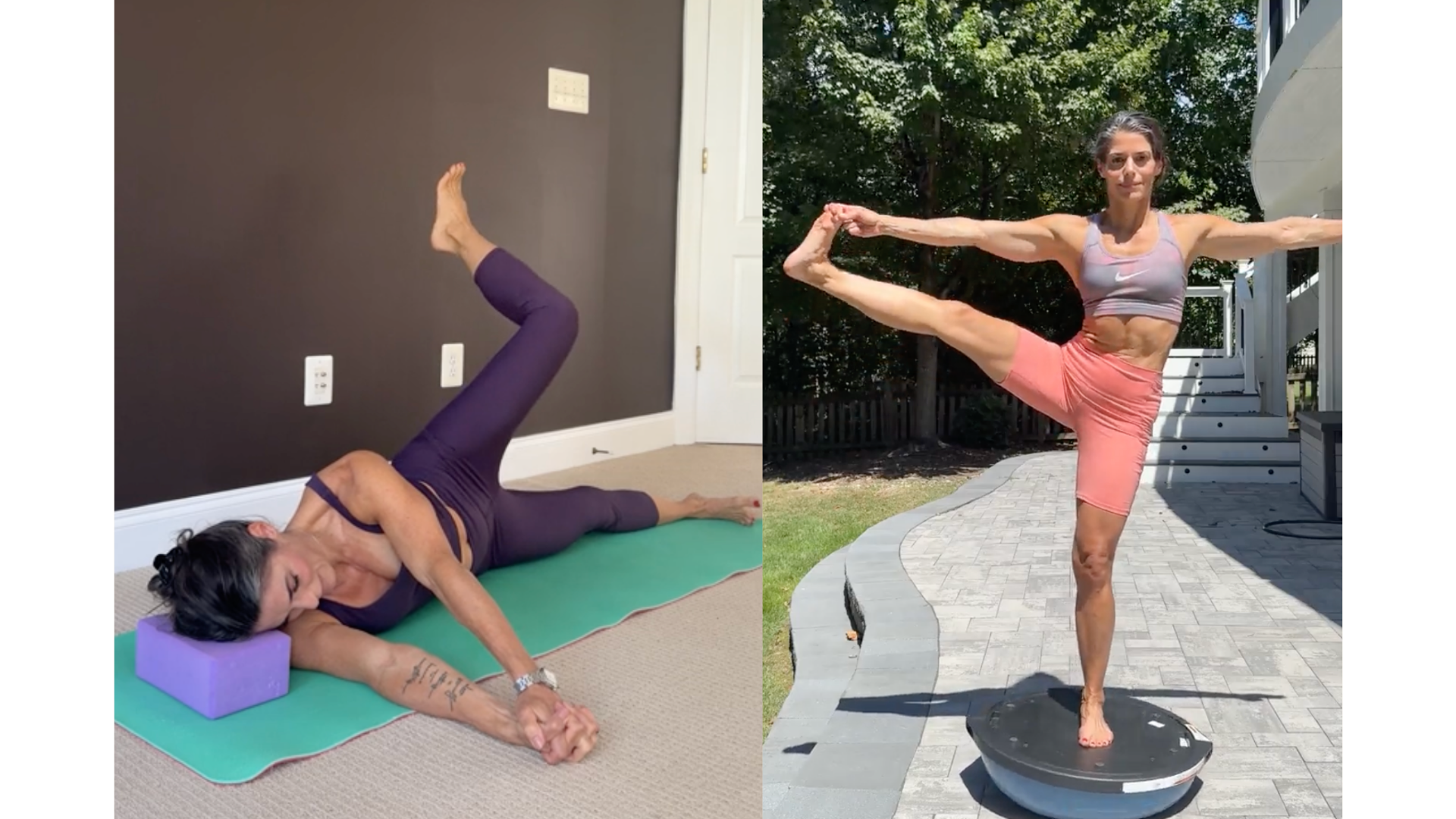
When I started on HRT 2+ years ago, it took a few months before I noticed these thoughts were happening, less and less frequently. Today, I rarely have panic attacks or snap at my husband for trying to be kind. I'm still masterful at losing my phone, though.
Estrogen and Metabolic Health
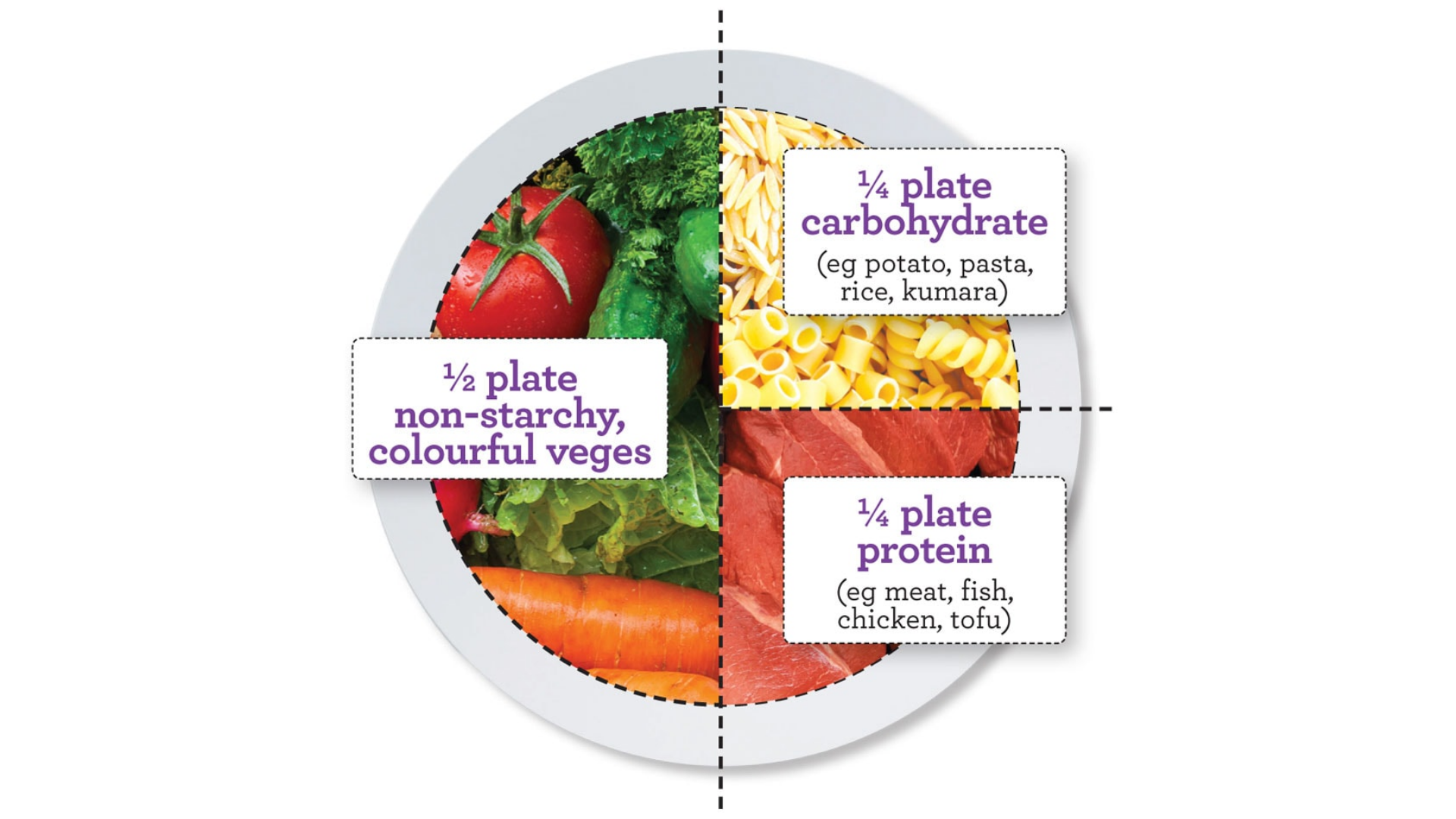
The middle-body weight gain of menopause is one of the most universally experienced and least well-explained aspects of the transition. Women who have maintained a stable weight for decades suddenly find it shifting — particularly around the abdomen — despite no significant change in diet or exercise.
Here's the mechanism: estrogen plays a significant role in insulin sensitivity, fat distribution, and how the body preferentially stores energy. When estrogen is present, the body tends to store fat peripherally — in the hips and thighs. As estrogen declines, fat storage shifts centrally — to the abdomen. This visceral fat is metabolically active in ways that subcutaneous fat is not, and is associated with increased cardiovascular and metabolic risk.
Estrogen also influences thyroid function, cortisol response, and appetite regulation — all of which contribute to the metabolic shifts women experience in midlife.
This is not about vanity. Visceral fat accumulation is a health issue, and estrogen decline is a significant driver of it.
So Where Does HRT Come In?
Hormone replacement therapy — when appropriately prescribed and monitored — replaces the estrogen your body is no longer producing in adequate amounts. And the downstream effects touch every system we've just discussed.
Research increasingly supports what many women experience clinically: that HRT helps preserve muscle mass, supports mood stability, improves insulin sensitivity, reduces visceral fat accumulation, and protects bone density. The Women's Health Initiative study that scared a generation of women and doctors away from HRT has been substantially reanalyzed and recontextualized — particularly for women who begin HRT within ten years of menopause onset, which is now referred to as the timing hypothesis.
The current consensus among leading menopause specialists, including those at the British Menopause Society and the Menopause Society in the US, is that for healthy women under 60 who are within ten years of menopause, the benefits of HRT outweigh the risks for the vast majority.
I want to be clear: I'm not a doctor, and HRT is a personal decision that deserves a thorough, individualized conversation with a menopause-informed clinician. What I am is a woman who has done the research, lived the transition, and seen the difference.
I'm on a very low dosage of estrogen, as I'm still in perimenopause and my body makes a fair amount of estrogen, according to recent labs. Still, I'm grateful for the estradiol to "fill in" my estrogen gaps as my body erratically produces ever-lowering amounts of estrogen, and I appreciate the supply of that wonderful anti-inflammatory and protective nature that estrogen provides. 
It's been two years for me being on HRT, and I would absolutely recommend having a discussion with an informed healthcare provider. It might not be right for you, but you deserve to have a conversation with someone who's savvy on hormones and if they can help you or not.
The Bigger Picture
Understanding estrogen's role in muscle, mood, and metabolism doesn't just change how you think about HRT. It changes how you think about everything — your training, your nutrition, your sleep, your stress management. All of it is hormonal context.
The women who thrive in midlife and beyond are the ones who stop fighting their biology and start working with it. That means getting informed. It means asking better questions of your doctors. It means refusing to accept "this is just aging" as a complete answer.
You deserve more than that. And the science supports it.
So tell me — are you on HRT, considering it, or still on the fence? Wherever you are, there's no judgment here. Drop a comment below. I read every single one.
x Juliana
If you're not yet subscribed to the Aging Well Naturally newsletter, sign up here — we drop monthly strategies on movement, nutrition, sleep, HRT, clean beauty and more.
Author