IDGAF: Boundaries and Protecting Your Energy in Midlife
Mar 18, 2026
Something shifts in midlife. For me, it was a rather sort of a snap. You start to notice it — a growing awareness of you putting your energy out everywhere, and getting little in return except exhaustion, frustration and resentment. The obligations you've said yes to out of habit. The relationships that take more than they give. The requests that land in your inbox and somehow become your responsibility before you've even had a chance to think.
I'll be frank: this wakeup has everything to do with declining estrogen levels and hitting a realization: Wait a minute: I can say No. For many women, midlife is the first time they truly reckon with this. And what they discover is that the life they've been living? Has, in large part, been organized around everyone else's needs. A question that starts to surface: what about me? When's it my time?
Boundaries are the answer. And in midlife, they become less of a self-help concept and more of a biological necessity. You adopt a new personal mantra: IDGAF.
Why Midlife Changes Your Relationship With Energy
Here's something worth understanding: your energy is not infinite, and in midlife your body makes that clearer than ever before.
The hormonal shifts of perimenopause and menopause affect your nervous system directly. Declining estrogen and progesterone alter how your body manages stress, sleep, and recovery. Your adrenal glands, already working hard to compensate for declining ovarian hormones, are particularly sensitive to chronic stress and overextension. When you consistently give more than you restore, the physiological cost is real — disrupted sleep, increased cortisol, fatigue that no amount of coffee fixes, and a creeping sense of depletion that starts to feel normal.
That's not normal. That's your body sending you signal after signal, desperately trying to get you change.
What Boundaries Actually Are
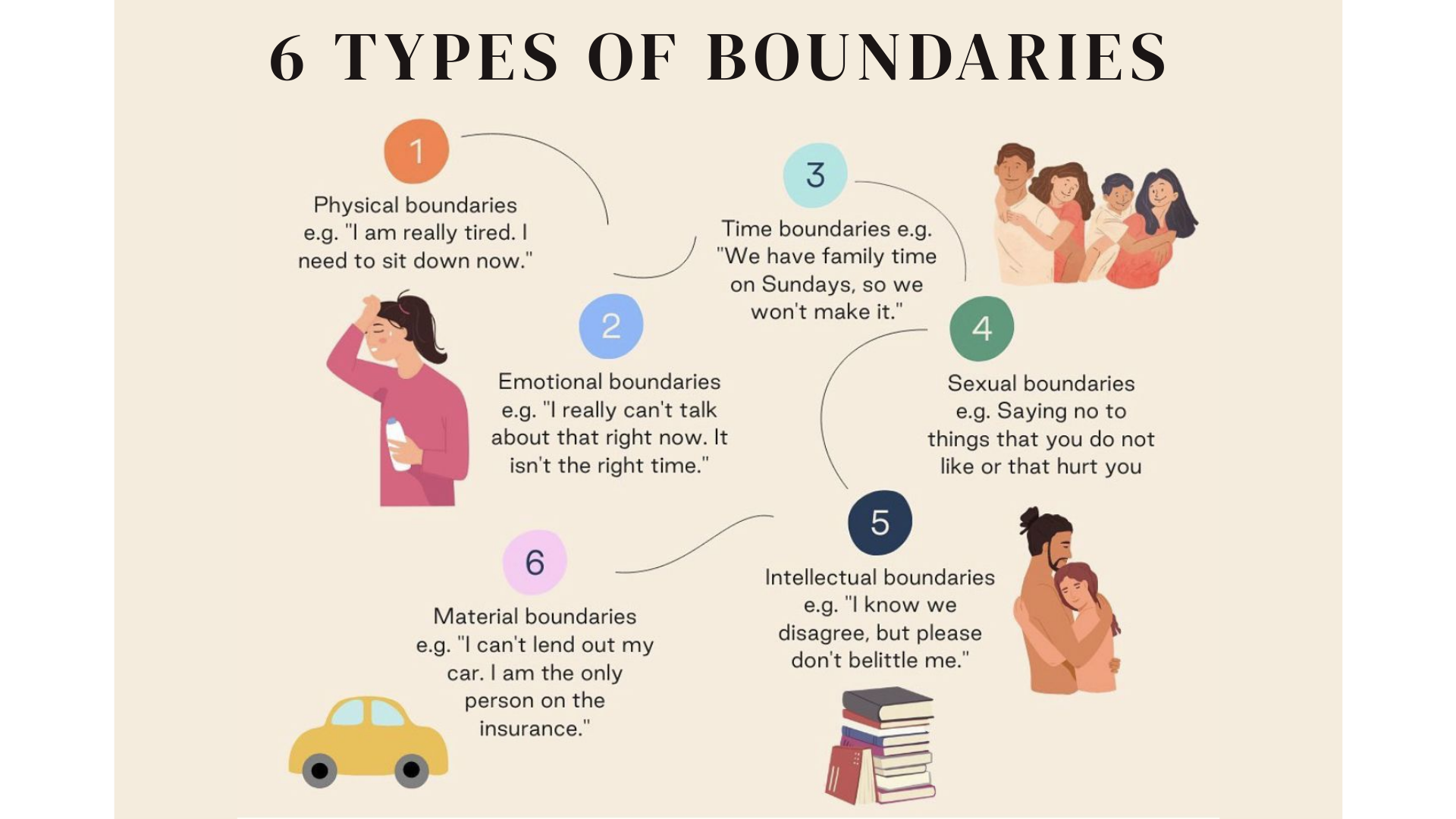
Boundaries are a very powerful sanity saver and stress reducer, if you know what they are and how to deploy them. So let's be clear about what a boundary actually is.
A boundary is a decision about what you will and won't engage with, based on what you know about your own needs, values, and limits. It's rooted in what works for you now, and it's a definitive statement of self-knowledge. It's when you decide who you are and what you need to function at your best. And what you don't need anymore. And then you voice it.
The women who struggle most with boundaries are often the most generous, the most capable, and the most relied upon. They've spent decades being the person who holds things together, the one who does all the planning and arranging, so setting a boundary can feel like letting people down. Like being selfish. Like going against something deeply ingrained. It might even be a part of your personality, and now suddenly saying 'no' feels uncomfortable. But then you extend yourself, get exhausted and overwhelmed, which leads to burn out, frustration and resentment. And so the cycle continues.
So here's what I've learned the hard way: clarity is kindness. The most generous thing you can do for the people in your life is to show up as the version of you who is honest, upfront about what works for you and what doesn't, and is calm, resourced, and whole. Not the version of you who's still trying to do all the things but showing up irritated, resentful and depleted. (Read that sentence again.) That does no one any good, especially and foremost you.
The Energy Audit
One of the most useful things you can do is a simple energy audit. For one week, pay attention to how you feel after spending time with people or completing obligations. Ask yourself two questions:
Does this fill me or drain me? Did I choose this freely, or did I agree out of obligation, guilt, or habit?
You're not looking to eliminate everything that's hard or demanding — relationships and responsibilities require effort and that's healthy. What you're looking for are the consistent, recurring drains. The things you do on autopilot that leave you feeling depleted, resentful, or invisible.
Those are the places where a boundary is needed.
For example, there are people in my family who I love deeply, but they are a net negative impact on me. They are always complaining and things are always wrong; when I point out the good, it's met with, "huh, yeah, I guess so, but still..." and the conversations spiral into borderline toxic. And the longer I spend with them, the more drained and negative I feel. So I've learned that I'm best when I limit my interactions. I still check in, but I hold a firm line. You don't get the yummy parts of me with that negative energy.
How to Actually Set One
The hardest part of setting a boundary isn't knowing you need one. It's saying it out loud.
Most women find that the anticipation is far worse than the reality. We imagine catastrophic reactions — anger, rejection, disappointment. And to be fair: sometimes those reactions do come. But, some wisdom: you need to sit with that disappointment and realize it's not your burden to carry.
And far more often: the people in our lives will adjust. They respect the clarity. And the relationship, freed from the quiet resentment that builds when needs go unmet, actually improves.
A few things that help:
Keep it simple. You don't need to over-explain or justify. "I'm not able to take that on right now" and "That doesn't work for me" is a complete sentence. The longer the explanation, the more it sounds like an apology.
Be consistent. A boundary stated once and then abandoned sends a confusing message. The discomfort of holding a boundary diminishes over time — but only if you hold it.
Start small. You don't need to overhaul every dynamic in your life at once. Pick one place where your energy is being drained without your full consent, and practice there first.
Boundaries as a Strength Practice
Chew on this: setting a boundary is an act of strength. It requires self-awareness, clarity, and willingness to tolerate discomfort in exchange for something more important: your mental peace and inner positivity. It's the same skill set you're building in the gym, in your nutrition, in every intentional choice you make for your health.
The women who age well — who remain vital, engaged, and themselves well into their later decades — are almost universally women who have learned to protect their energy. They stopped fragmenting themselves across too many demands. They got selective. They prioritized goals and said no to distractions. They got strong — inside and out.
Midlife has a way of bringing this all to a head. Because the energy you protect now is the energy you get to invest in the things that actually matter: your health, your relationships, your growth, your joy.
That's not selfishness. That's wisdom.
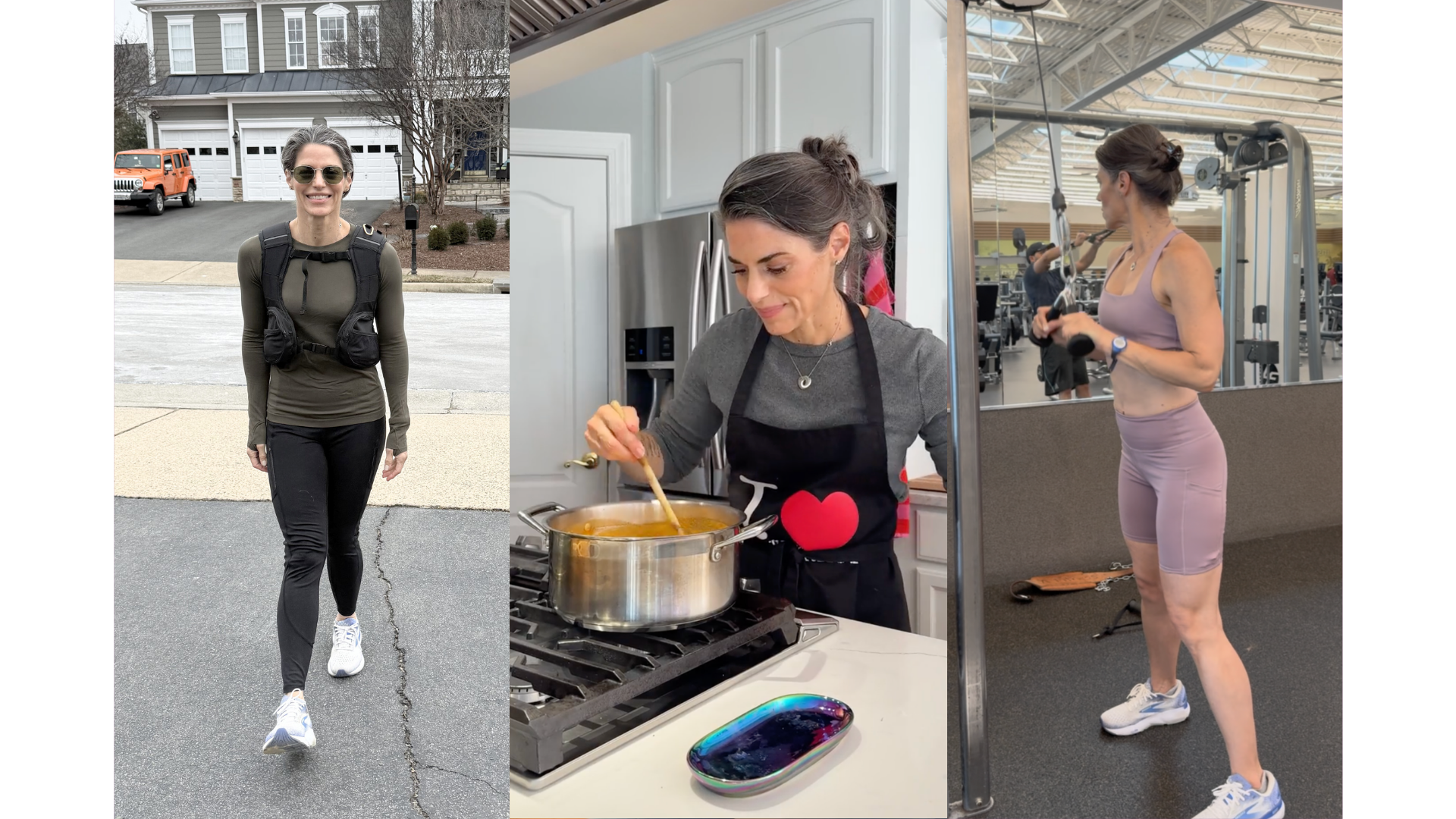
So tell me — where in your life are you finding it hardest to protect your energy right now? Drop a comment below. I read every single one.
x Juliana
If you're not yet subscribed to the Aging Well Naturally newsletter, sign up here — we drop monthly strategies on movement, nutrition, sleep, HRT, clean beauty and more.
Author