Strong Glutes, Strong Life: The Case for Prioritizing Your Posterior Chain
Mar 04, 2026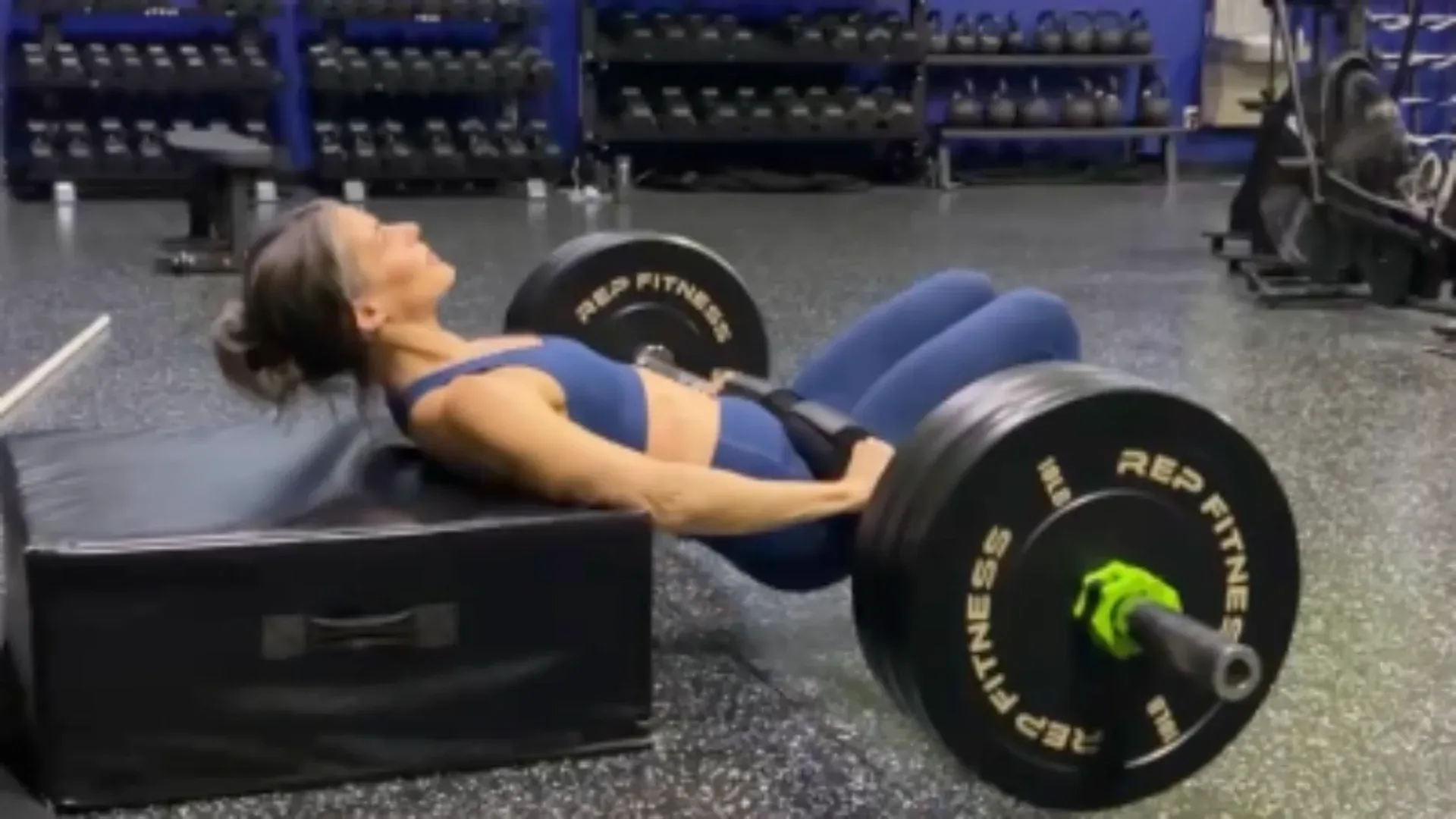
There's a part of your body that powers everything — getting up from a chair, climbing stairs, walking with ease at 70, 80, 90. And most of us are completely ignoring it. (This was definitely me). We tend to gravitate toward quad-dominant movement (cycling, running, walking), and when we're not exercising, we're sitting — hunched forward, shortening the front of the body and effectively switching off the back muscles that give you all your power. Excessive sitting + little movement to actually engage your posterior chain (your glutes, hamstrings, lower back, and deep stabilizers running from your heels to the base of your skull) = a real problem over time.
Why It Matters More After 40
Your glutes are the largest, most powerful muscle group in your body. When they weaken — through age, prolonged sitting, or just not training them intentionally — a chain reaction follows: the lower back overloads, the hamstrings tighten, the knees become vulnerable, and that effortless, confident movement starts to quietly erode. And here comes the back pain, the knee aches, the slow descent into limited movement. I know this firsthand. After my second child, somehow (during the manic years of toddlerdom) I stopped firing my posterior chain altogether. Walking upstairs was all quad, no glute. I had to completely relearn how to activate and power my glutes, and to even walk properly. Not for aesthetics — for longevity.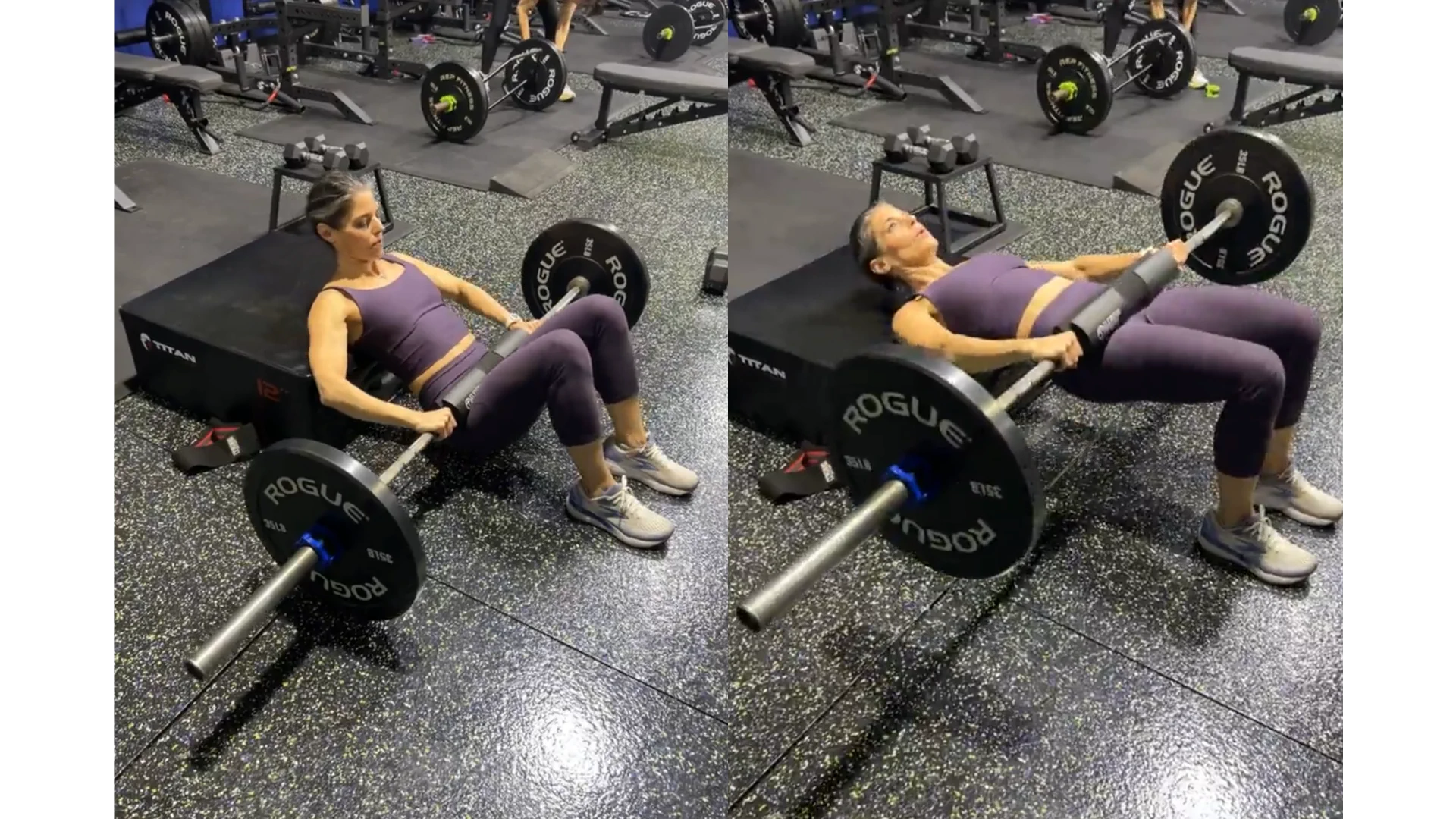
The Estrogen Factor
Here's what most fitness conversations skip: estrogen plays a major role in how well your muscles respond to training. It supports muscle building, manages post-exercise inflammation, and protects the connective tissue around your joints. As it declines through perimenopause and menopause, your body becomes less efficient at building and maintaining muscle — recovery takes longer, the signals to rebuild are quieter. What worked in your 30s simply isn't enough anymore. Your body now needs deliberate, progressive load. And the posterior chain, being your largest muscle group, gives you the greatest return on that investment.
The Posture Payoff
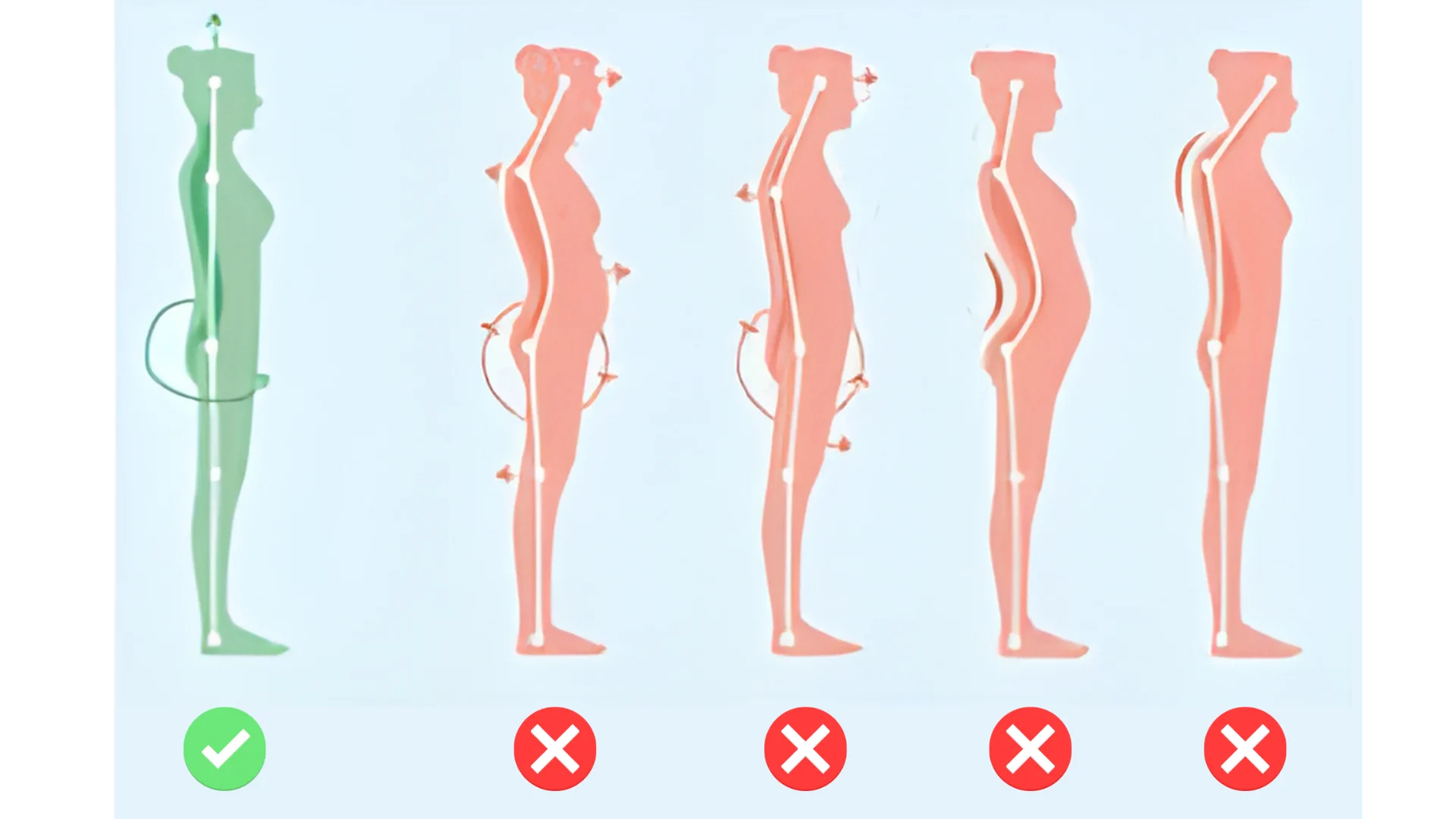
If I can't convince you to work your glutes for longevity sake, let me appeal to your vanity: strong glutes are directly linked to better posture. When your posterior chain is strong and active, it counterbalances the forward pull of sitting and screen time. The shoulders draw back naturally. The spine lengthens. Your neck stops straining forward. You look taller, and your head is better positioned vis a vis your shoulders and spine. (This also helps with toning your neck and getting rid of double chin!)
This matters for how you feel and for how you look. Postural alignment cues symmetry throughout the body and even shows up in your face. It signals vitality, confidence, and health. And you can't buy it in a jar. You build it, rep by rep.
What Posterior Chain Training Actually Looks Like
The good news: you don't need complicated equipment or an hour in the gym every day. What you need is consistency and progressive challenge. Here are the movements that matter most; start by mastering these and then slowly look to add variation and weight.
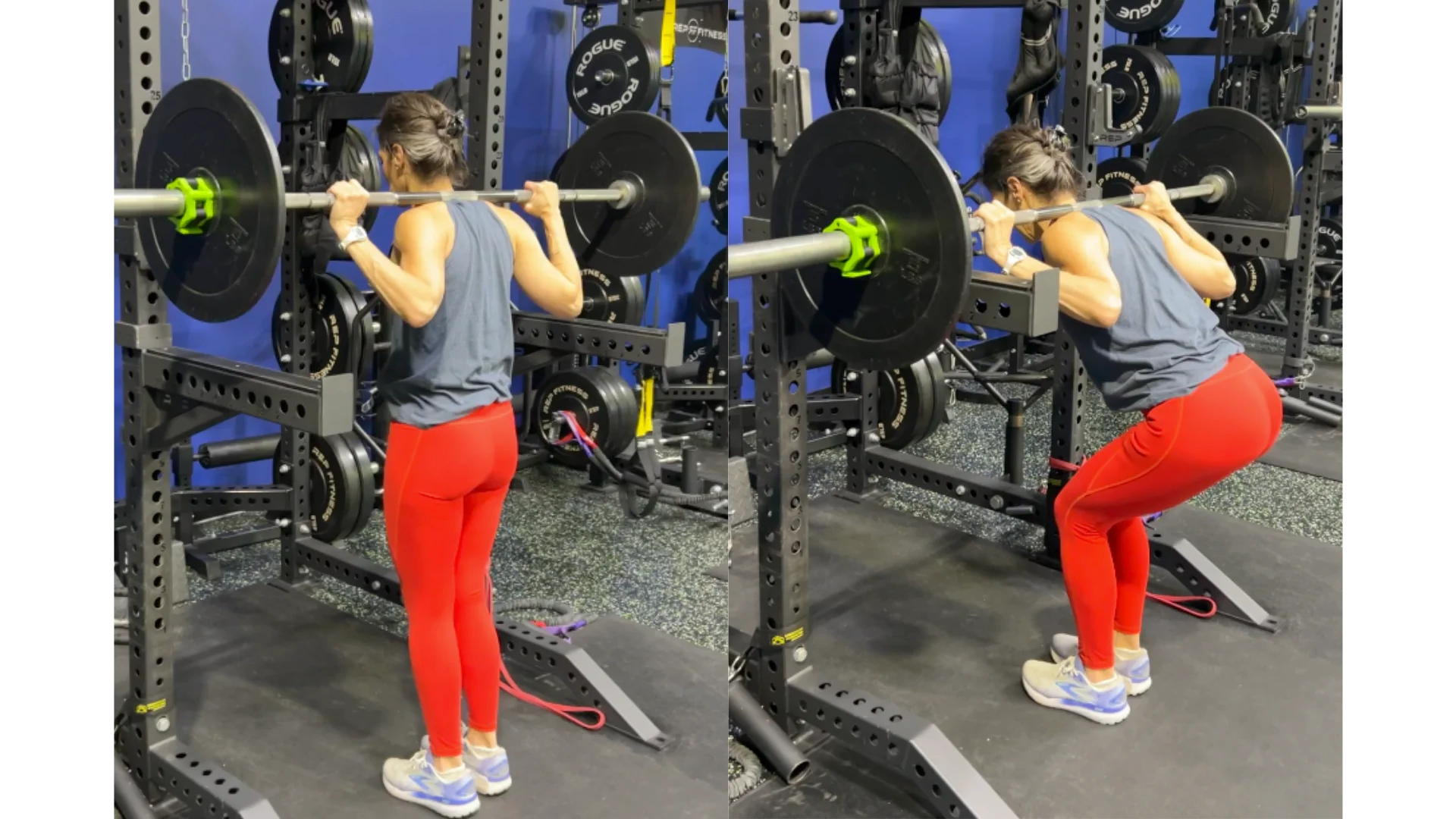
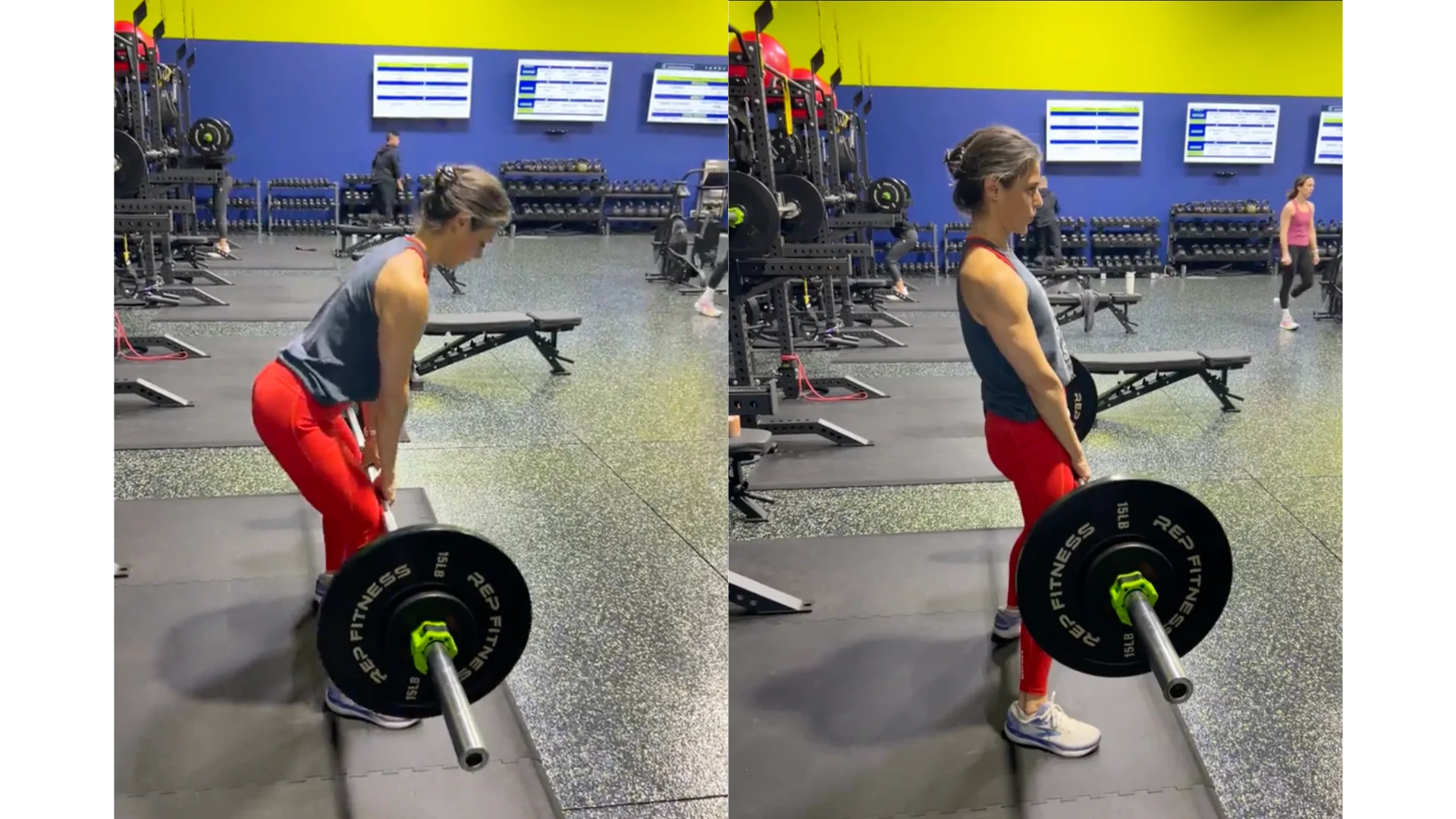
Hip Hinges — the deadlift and its variations are the gold standard for posterior chain development. They teach your body to load through the hips rather than the spine, which is both safer and more effective for building glute and hamstring strength. Here's how to do a hip hinge:
- Stand with feet hip-width apart, toes pointing forward
- Soften your knees slightly — this is not a squat, just a slight bend
- Push your hips back (imagine closing a car door with your butt)
- Let your torso hinge forward while keeping your spine long and neutral — no rounding
- Feel the stretch load into your hamstrings and glutes
- Drive your feet into the floor and push your hips forward to return to standing
- Squeeze your glutes at the top
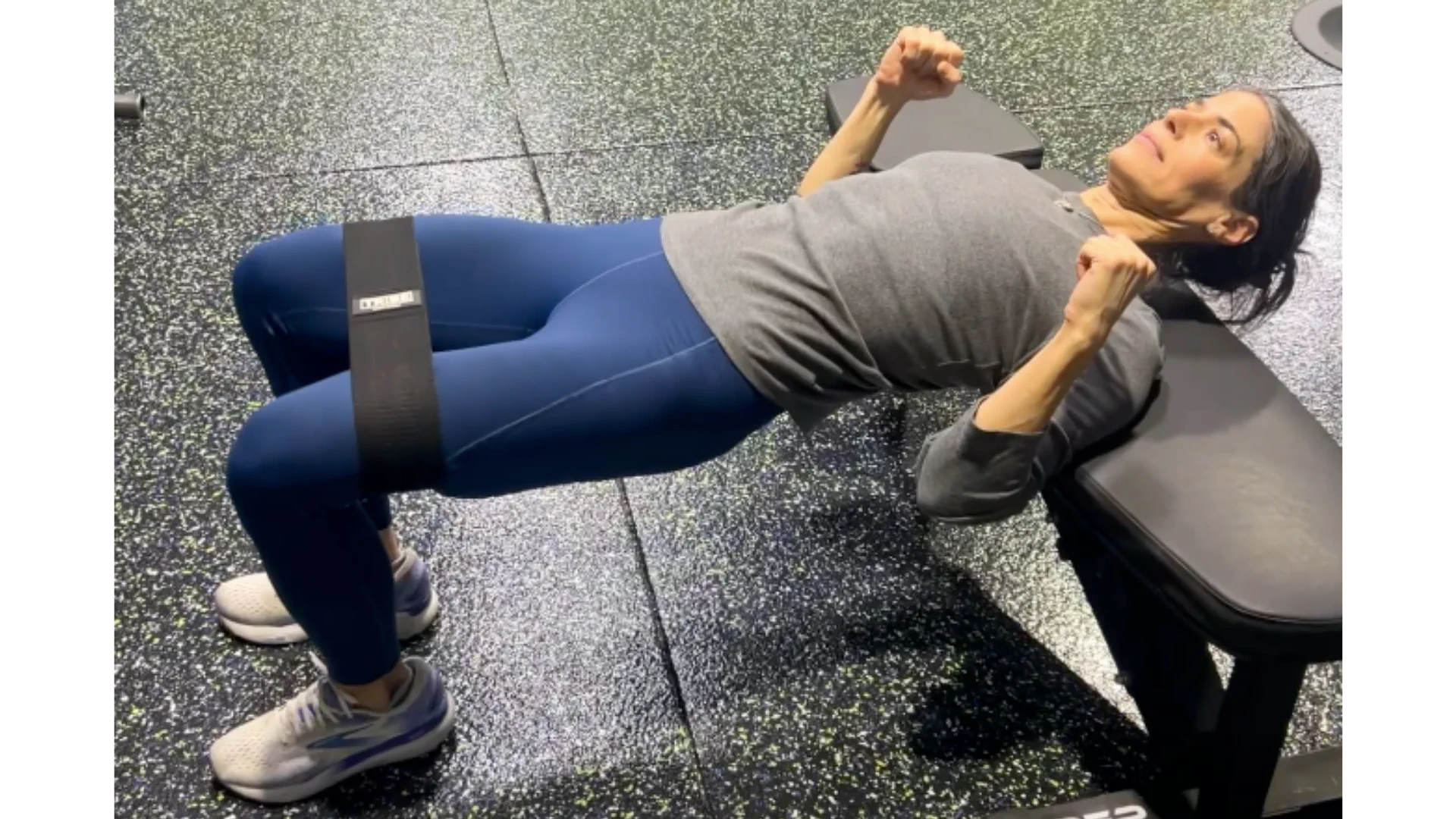
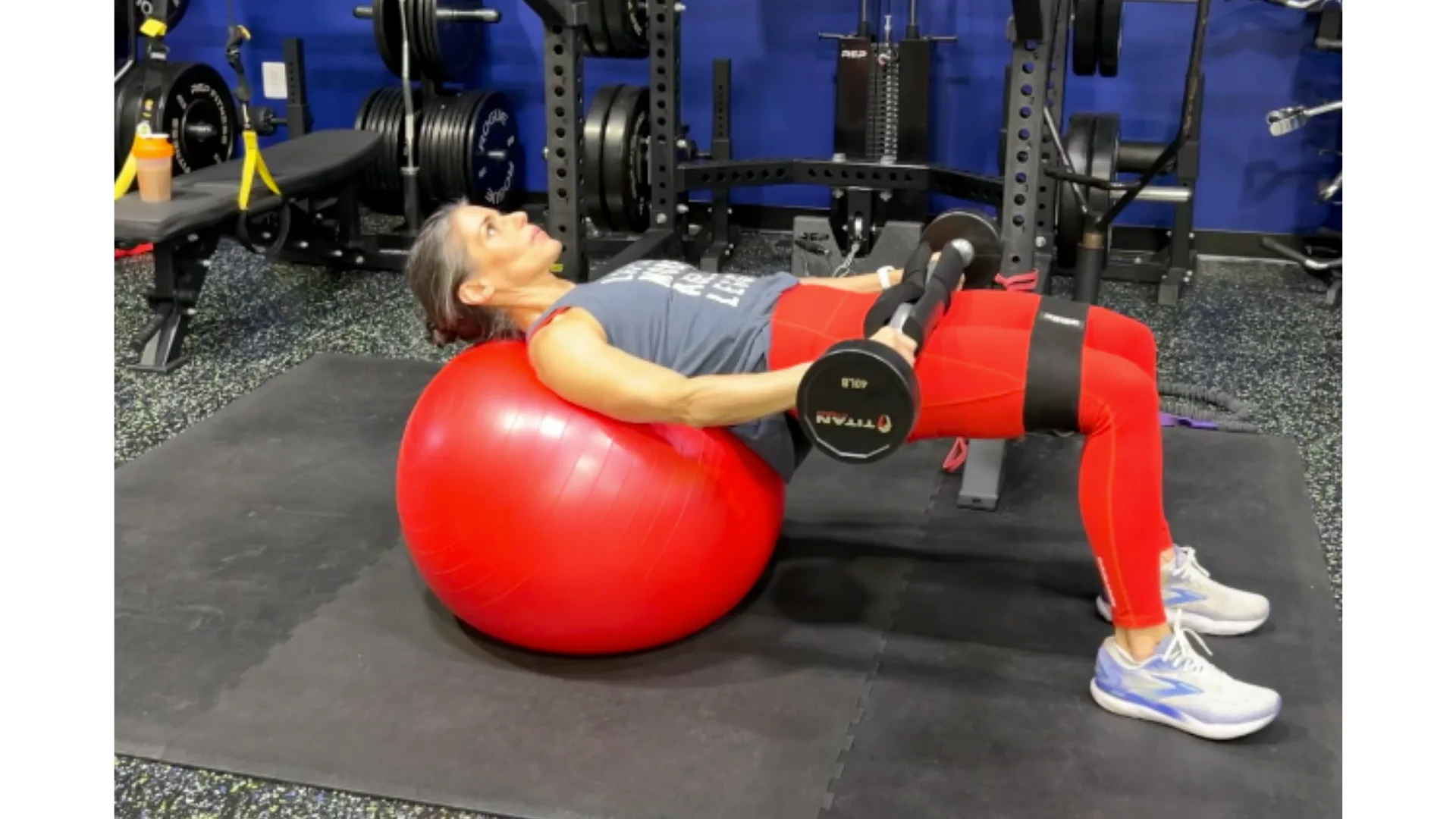
Glute Bridges and Hip Thrusts — possibly the most direct way to train the glutes. Done with bodyweight, a resistance band, or a barbell, these isolate the glutes in a way that most compound movements don't. Here's how to do glute bridges:
- Lie on your back with knees bent, feet flat on the floor hip-width apart
- Place a resistance band just above your knees (recommended)
- Press your feet firmly into the floor
- Tuck your pelvis slightly and drive your hips straight up toward the ceiling
- Squeeze your glutes hard at the top — hold for 1–2 seconds
- Lower back down slowly with control
- Don't let your lower back arch — focus on glutes doing the work
Romanian Deadlifts (RDLs) — a hinge pattern that places particular emphasis on the hamstrings and glutes under load. One of the most effective exercises for building the posterior chain in midlife women. Here's how to do these:
- Stand holding dumbbells or a barbell in front of your thighs, feet hip-width apart
- Soften your knees and keep them fixed in that position throughout
- Hinge at the hips, sending them back as the weights slide down your legs
- Keep the weights close to your body — almost grazing your shins
- Lower until you feel a deep stretch in your hamstrings (usually mid-shin level)
- Pause, then drive hips forward to return to standing
- Squeeze glutes firmly at the top
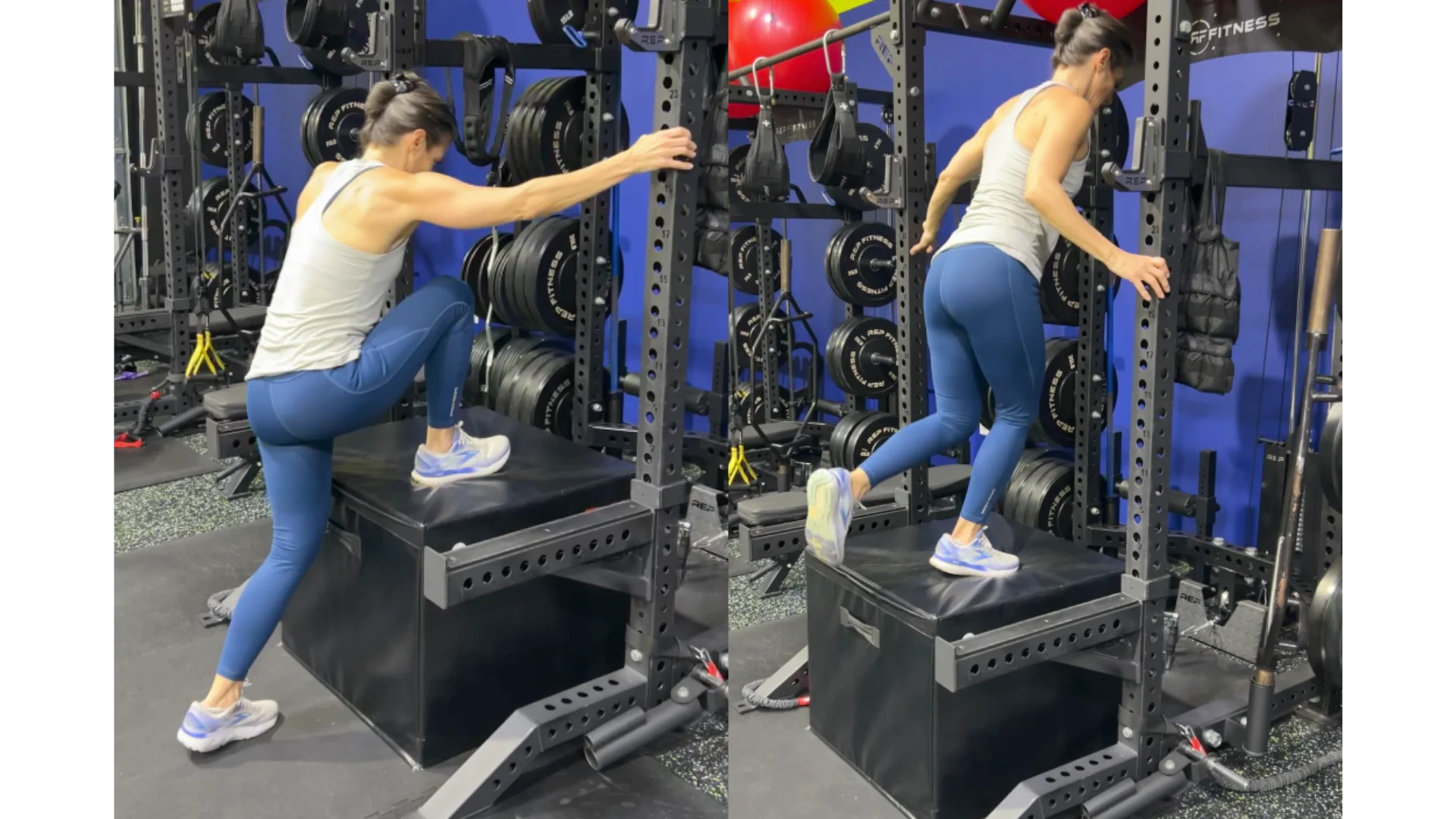
Step-ups and Single-Leg Work — unilateral training (working one side at a time) is especially important as we age because it corrects imbalances, challenges stability, and activates the glutes differently than bilateral movements. Here's how to do these
- Stand in front of a sturdy bench or step (about knee height, to activate glutes!)
- Place your entire right foot on the step
- Press through your right heel to drive yourself up — don't push off the back foot
- Bring your left foot up to meet the right
- Step back down with control, leading with the left foot
- Complete all reps on one side before switching
Carries and Loaded Walks — farmer's carries, suitcase carries, or simply walking with your weighted vest all engage the posterior chain in a functional, real-world way. Here's how to do a farmer's carry:
- Pick up a dumbbell or kettlebell in each hand
- Stand tall — shoulders back, chest up, core braced
- Walk forward with slow, controlled steps
- Keep your gaze forward and avoid leaning to either side
- Breathe steadily throughout
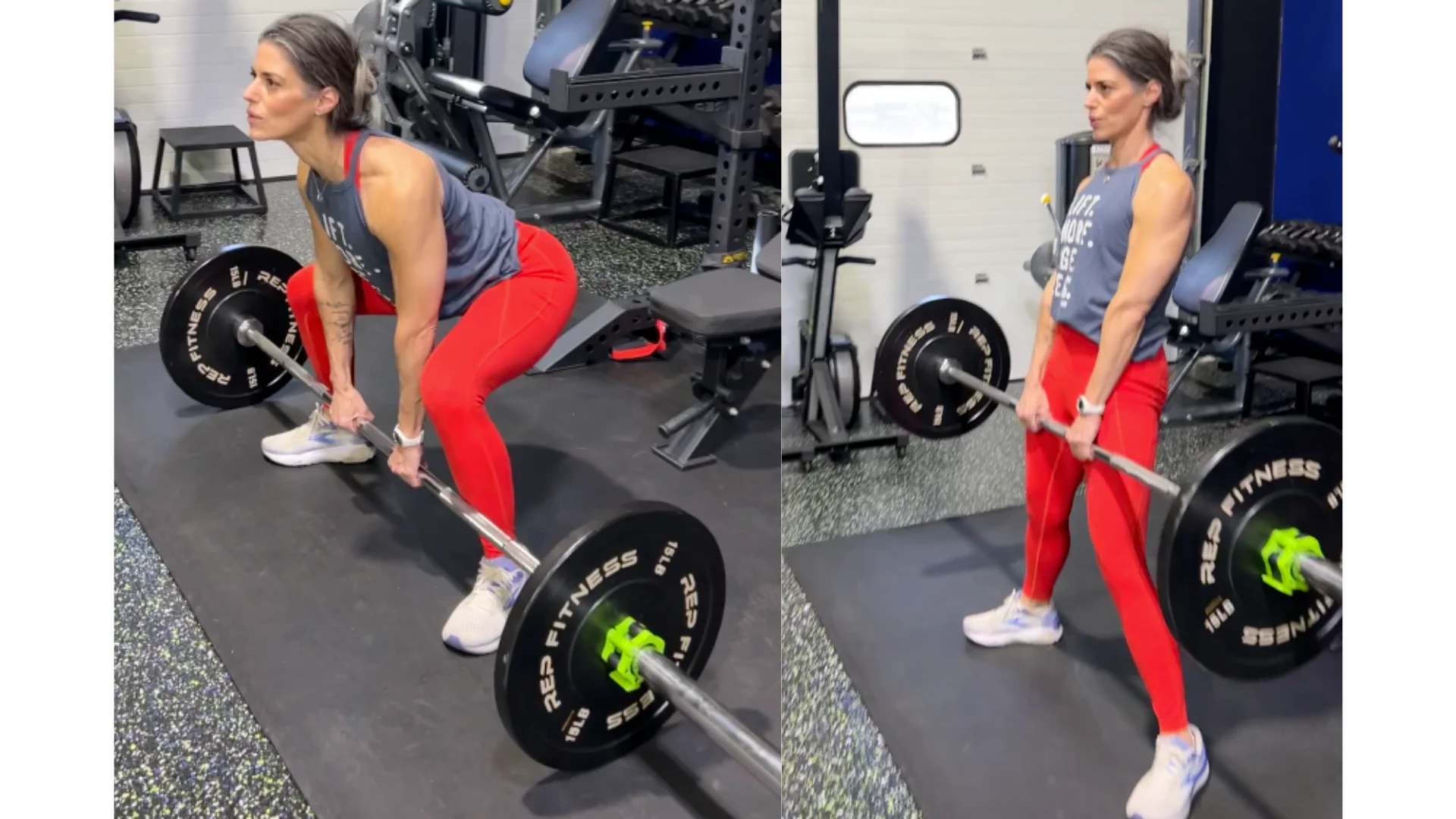
My current personal favorite glute workout is the sumo deadlift. The stance is a bit wider with toes pointed outward than a deadlift, which externally rotates your hips. This places your glutes in a position of greater mechanical advantage — meaning they work harder than in a conventional deadlift. You also need to keep your torso upright, making it a joint-friendly option for women with lower back sensitivity (hello!), while simultaneously recruiting your inner thighs (adductors) to work alongside the glutes to drive hip extension.
Where to Start If You've Been Neglecting This
Start simple. You don't need to overhaul your entire routine. Begin with three things.
First, add a glute bridge to your daily movement — even 2–3 sets of 15 reps with a resistance band around your knees will begin to wake up muscle that may have been dormant for years.
Second, learn the hip hinge pattern. This is the foundation of almost all posterior chain training and it's worth getting right. A few sessions with a trainer — even virtually — to nail the form will pay dividends for years.
Third, sit less and move more intentionally. Every time you stand up from a chair, slow it down and use your glutes. Take the stairs. Need to pick something up off the floor? Bend over from the waist keeping your back straight until you feel it in your bum and hamstrings. Make everyday movements count.
The Bottom Line (ha! 🤩)
Strong glutes are a baseline for moving well, aging well, and feeling physically capable through the decades ahead. The posterior chain is your foundation — and like any foundation, it requires attention, investment, and consistent maintenance. Like all things, it's very much a use-it-or-lose-it game.
If you're wanting to preserve or improve your mobility so you can move with ease in your 60s, 70s and 80s? You need to intentionally be building that now. By activating your posterior chain.
So tell me — are you training your posterior chain? Are you a deadlift convert, or is this brand new territory for you? How can I inspire you to head to the gym and do some 1-legged step ups? Drop a comment below. I read every single one. 👇
x
Juliana
If you're not yet subscribed to the Aging Well Naturally newsletter, sign up here — we drop monthly strategies on movement, nutrition, sleep, HRT, clean beauty and more.
Author