The Morning My Eyes Swelled Shut — And What It Taught Me About Beauty Products
Jul 07, 2026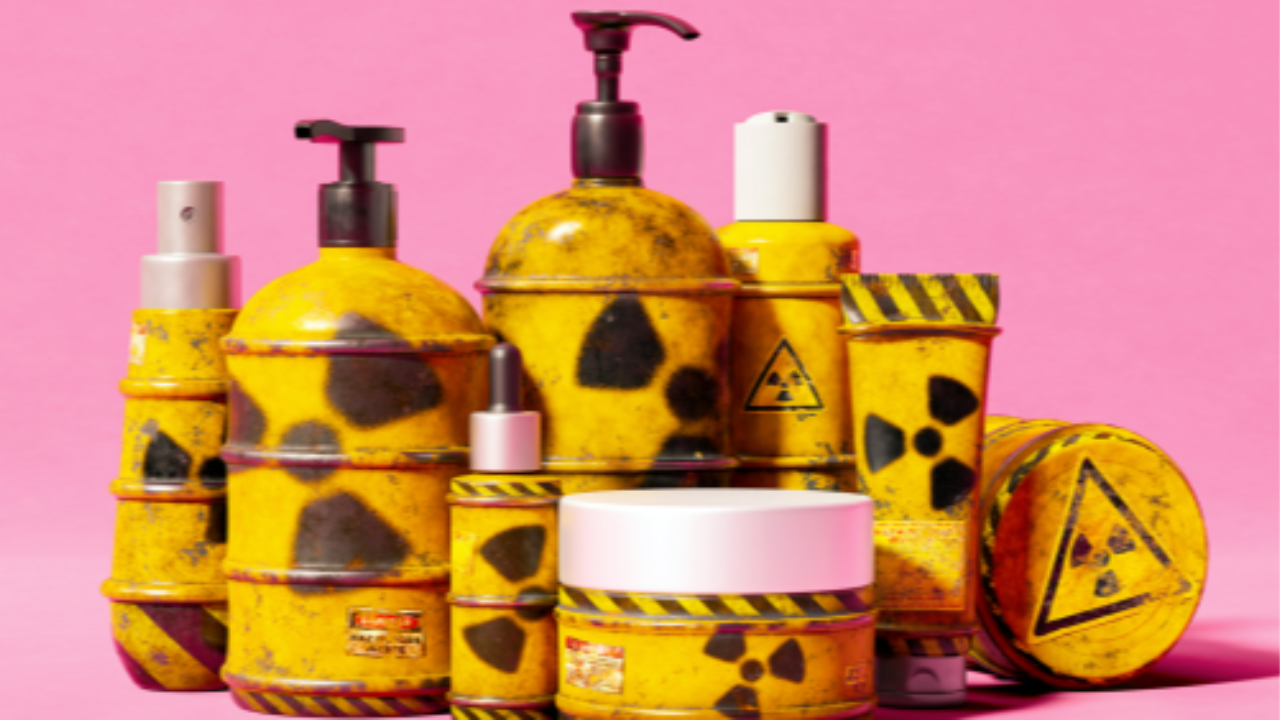
True Story: I woke up one morning in early 2019 and couldn't open my eyes. Not "puffy from a bad night's sleep" — swollen shut. I called my dermatologist in a bit of a panic, got in that same day, and sat there while he examined me, shaking his head, muttering: "allergic reaction."
To what, I wanted to know. I hadn't changed my diet. I hadn't been outside in anything unusual. I was doing everything "right." "To a product, and some ingredients you're using," he said. He went on to explain: my declining estrogen levels meant my skin was becoming more sensitive to toxic ingredients in my skincare products. Estrogen, he told me, is highly protective, and it shields women from a lot of dodgy ingredients in beauty care products. But as we enter perimenopause and estrogen wanes, we become more sensitive to beauty products.
Aha, I thought. So I'm more sensitive to toxic ingredients. Wait. Toxic ingredients... in my skincare products? But I spend so much money on my skincare! That can't be right. Can it?
That realization sent me back home, where I pulled every product off my bathroom counter — my eye creams, my serums, my "luxury" skincare that I'd paid a small fortune for because I'd (naively) assumed expensive meant 'effective' and, naturally, safe — and started actually reading the ingredient lists. Really reading them, looking up words I didn't recognize (hello, like the whole damn label), and asking why a company would put something like this or that in a product for my face in the first place.
What I found left me a bit stunned. It's why I switched to clean beauty products overnight, and why I think this is worth your time to know about.
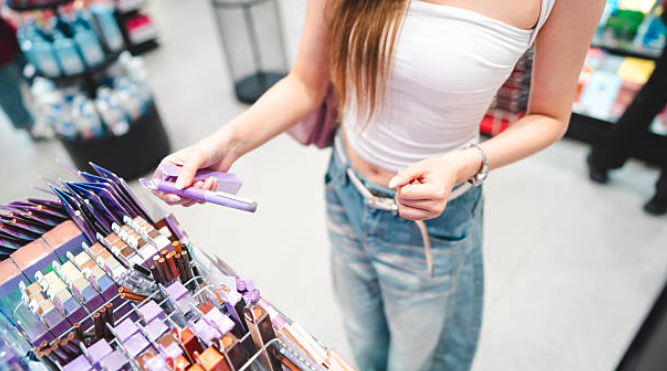
The beauty industry is barely regulated — and that's not an exaggeration
Here's a fact that got my attention: according to the Environmental Working Group, of more than 10,000 chemicals used to formulate cosmetics, just eleven have been banned in the U.S. Whereas the European Union has banned over thirteen hundred. That gap is not a typo, and it's not because European skin is more sensitive than ours — it's because the regulatory standards are simply, dramatically different. In the US, the beauty and personal care industry largely polices itself. Wink, wink. Companies are not required to prove a product is safe before it goes on the market. They are not required to disclose everything in a "fragrance" blend. And they are under no legal obligation to formulate a product with your long-term health in mind.
Hence the countless ongoing lawsuits of the beauty industry they'd like you not to know about: like the suits involving benzene in dry shampoos that cause permanent hair loss and cancer, or prostaglandins in eyelash serums that have the same effect, or the PFAS chemicals in your foundation (but it's waterproof!), and the microplastics in your eyeshadows, and I could go on. When it comes to "first, do no harm," and the beauty industry, I have to quote Taylor Swift here: "you're on your own, kid."
So what's actually in these products? Some Worst Offenders.
Parabens are preservatives that show up in moisturizers, shampoos, conditioners, makeup, and lotions to keep them from growing mold and bacteria. The problem is that parabens are structurally similar enough to estrogen that they can bind to estrogen receptors in your body and trigger estrogenic activity — essentially adding background hormonal noise to a system that, especially in perimenopause, is already trying to find its balance.
Phthalates are plasticizing agents that help synthetic fragrance last longer and spread more evenly on skin. Here's the sneaky part: they almost never appear on a label by name. They hide behind the single word "fragrance," which under current US law can legally represent dozens of undisclosed chemicals. Phthalates are associated with altered hormone signaling — less like a poison, more like static interfering with your body's internal communication system.
Chemical UV filters — oxybenzone, avobenzone, octocrylene, homosalate — are the active ingredients in most conventional sunscreens, but they also hide in SPF moisturizers, foundations with SPF, and tinted lip balms. These compounds bind to hormone receptors and have been shown to alter thyroid, estrogen, and androgen signaling. The alternative is mineral sunscreen with non-nano zinc oxide or titanium dioxide, which physically sits on top of skin and blocks UV rather than absorbing into your bloodstream.
Formaldehyde shows up in foundations, mascaras, nail polish, nail hardeners, and hair-smoothing treatments. It's a known carcinogen, and it was at the center of the TRESemmé class-action lawsuit, where thousands of people reported significant hair loss linked to formaldehyde in their shampoo.
PFAS — "forever chemicals" — create the waterproof, long-wear quality in mascaras, foundations, and long-wear lipsticks. They don't break down, not in the environment and not in your body, and they accumulate over time. In 2021, independent testing of over two hundred cosmetic products found high PFAS levels across many categories, waterproof mascara among the worst offenders. That triggered class-action lawsuits against multiple brands — some still ongoing.
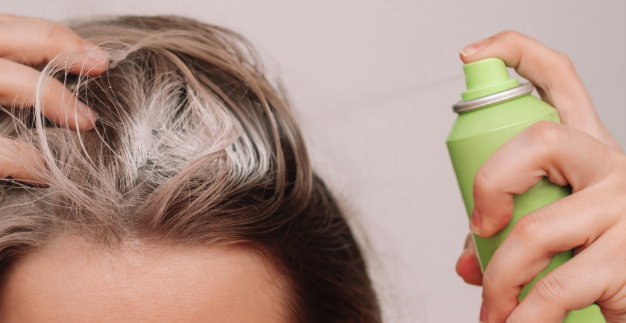
Benzene doesn't belong in any beauty product, period. In 2021, independent lab testing found benzene contamination in dozens of aerosol dry shampoos and sunscreens from major brands, triggering recalls of millions of units and multiple lawsuits. Benzene is linked to leukemia and other blood cancers.
A few more worth knowing: Sodium lauryl sulfate strips and disrupts your skin barrier over time. Microplastics show up in primers, foundations, and shimmer products, and accumulate in your body the same way PFAS do. BHA and BHT are preservatives in lipsticks and moisturizers with documented hormone-disrupting effects. PEG compounds don't just sit in a formula — they actively help drive other ingredients deeper into your skin, which means if there's anything else concerning in that product, PEGs are helping it absorb further.
And there's a whole additional category most people never think about: Triclosan, an antibacterial agent in some soaps and deodorants, has been linked to hormone disruption and antibiotic resistance. Aluminum compounds in antiperspirants have some research raising concern around estrogen receptor interference, though this remains an active area of research rather than settled science. Talc, used in powders for its moisture-absorbing properties, has had documented contamination issues with asbestos in some products — which is part of why there's been such significant litigation in this space. And lead, shockingly, still shows up as a contaminant in some lipsticks, where it can accumulate in the body over time.
The Dose Makes the Poison, Right?
I hear this a lot, and I understand the instinct. Is my favorite Diorshow OverVolume Mascara really that bad? And on the surface, no, it's probably not going to take you down. But here's where it gets sticky: the average woman uses somewhere between 12 and 16 beauty products a day, exposing herself to potentially 168 or more unique chemical ingredients — and that's before she's even had her morning coffee. Now extrapolate out for days, weeks, months, years, decades: that compounded, cumulative load on repeat. When everything in your bathroom cabinet is just slightly toxic, the math adds up. And not in a way any of us wants.
And This Hits Different in Perimenopause
As you know, your hormones are already recalibrating. Wildly. Progesterone tends to decline earlier and faster than estrogen, which means many of us are already tipping toward a kind of imbalance where estrogen is relatively high compared to progesterone — a state often called estrogen dominance. Symptoms can include bloating, weight gain around the hips and belly, mood swings, and fatigue. When you layer daily exposure to parabens, phthalates, and other xenoestrogens on top of a system that's already off-balance, you're quite literally adding fuel to an already estrogen-heavy fire.
So what do I do, Juliana?
First — give yourself grace. None of this is common knowledge. The beauty industry benefits from keeping it that way, and it does a remarkably good job staying out of the news cycle on ingredients, even while quietly settling lawsuits behind the scenes.
When you're ready, start simply: read your labels. If you've been dealing with unexplained skin reactions, breakouts, or sensitivity, check what's actually in the product first. I drop ingredient lists into an AI tool and ask it to flag anything concerning — it's fast, and it's become one of my favorite ways to vet a new product before I buy it. Apps like Yuka or Think Dirty work well too, scanning barcodes and rating products based on ingredient safety.
You do not need to throw out your entire bathroom cabinet tonight. Start with your highest-use, highest-contact products — the ones sitting on your skin all day or all night, like your daily moisturizer or your everyday cleanser — and swap those first. Slow, steady changes, one product at a time, are completely fine. You don't need to overhaul everything at once to make real progress.
Takeaway
That morning, all those years ago, my eyes swelling shut ended up being exactly the wake-up call I needed. Because it started me thinking about everything I consume— not just food, but everything I put on and in my body as well.
Here's what I came to learn: your skin is your largest organ. What you put on it doesn't just sit on the surface — it absorbs into your bloodstream, the same way what you eat, how you sleep, how you manage stress, and how your hormones are balanced all show up in your body, one way or another. Clean beauty was never meant to be its own separate category. It's the same principle as everything else: what goes in, and what goes on, becomes part of you. For better or for worse.
This is exactly why I built the Aging Well Naturally Masterclass the way I did. Not as a skincare course, or a nutrition course, or a strength training course — but as the whole interconnected picture. Because your hormones, your gut, your stress, your sleep, and yes, what you put on your skin, are all talking to each other. You cannot fix one piece in isolation and expect the whole system to thrive.
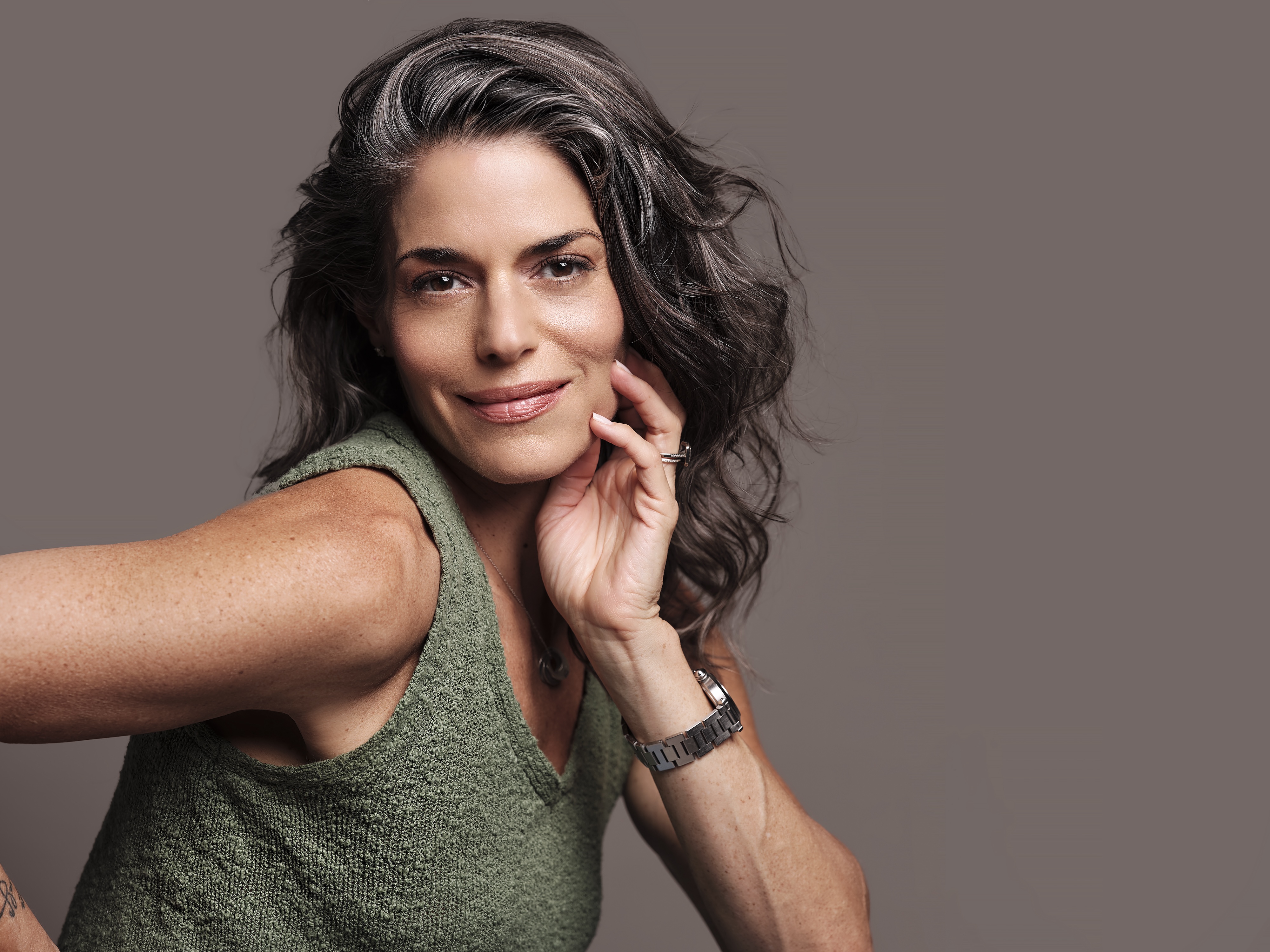
I've been talking about my Masterclass for a bit now, and it officially goes on sale on August 1st. But now though Friday, July 17th at Midnight EDT I'm doing an Early Bird for women who are ready to sign up — and as a thank-you, you'll get free access to my Facial Exercise Program for six full weeks, a $149 value, completely on me, for being the kind of woman who takes action. The very program that hundreds and hundreds of women have fallen in love with and left glowing reviews about.
If you're ready to stop thinking about your health in pieces, and start seeing the whole picture — this is where we begin. My Aging Well Naturally Masterclass is everything I talk about — mindset, nutrition, strength training, mobility, sleep, stress management, HRT, clean beauty, facial exercises, supplements & lifestyle upgrades — sequenced for you, in order, for you to thrive in midlife and beyond. Sign up here and let's get you looking & feeling your absolute best, you're going to shock yourself at your transformation!
x
Juliana
Author