The Skinny on Water: A Smarter Way to Hydrate
Jan 06, 2026
We've all heard by now that we need to drink 8 glasses of water a day to be healthy. And yes, water is essential for life — but ancient healing systems have always taught that how you drink water matters just as much as how much. I'm a big fan of ancient wisdom that's been around for millennia, the very wisdom our ancestors used to thrive and live long. From my own experiences (I lived in Asia for about 4 years), here's what I learned from traditional Chinese medicine and Ayurveda that can teach us about water and how to drink to thrive.
In both Traditional Chinese Medicine and Ayurveda, hydration is about balance, not volume. The goal isn’t to flood the body, but to support digestion, circulation, and energy — especially in midlife, when digestion and resilience naturally change.
Warmth Over Shock
In Chinese medicine, the body is considered naturally warm (yang). Cold inputs — especially icy water — are believed to weaken digestive fire, forcing the body to spend energy just warming itself back up. Ayurveda echoes this idea, teaching that cold water can dampen agni, the digestive flame responsible for assimilation and vitality.
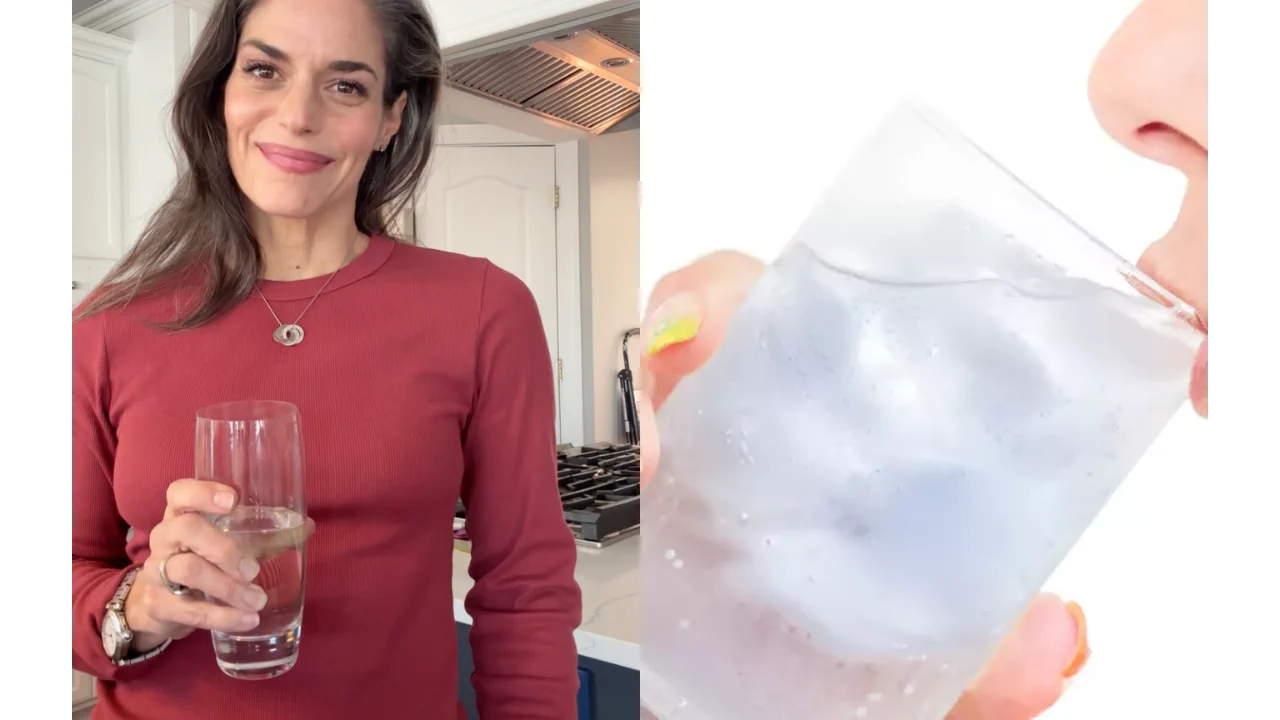
That’s why both traditions favor warm or room-temperature water, which the body can absorb with ease. I remember from my time living in Hong Kong, whenever I was hot, I would be handed a cup of warm water. At first I thought this was crazy! Then a coworker explained how it helps to cool the system down by hydrating and not taxing your body.
It's counter-intuitive, but your body is warm (98.6°F or 37°C). When you drink ice water, not only is it a shock to the system (you know that tight feeling in your chest when you drink really cold water? That's your body in shock as it rushes to warm the water to make it digestible) your body has to heat that water in order to use it. You're actually making yourself hotter. Room-temperature or warm water is more easily absorbed, hydrating and cooling you quicker.
Slow, Intentional Sipping
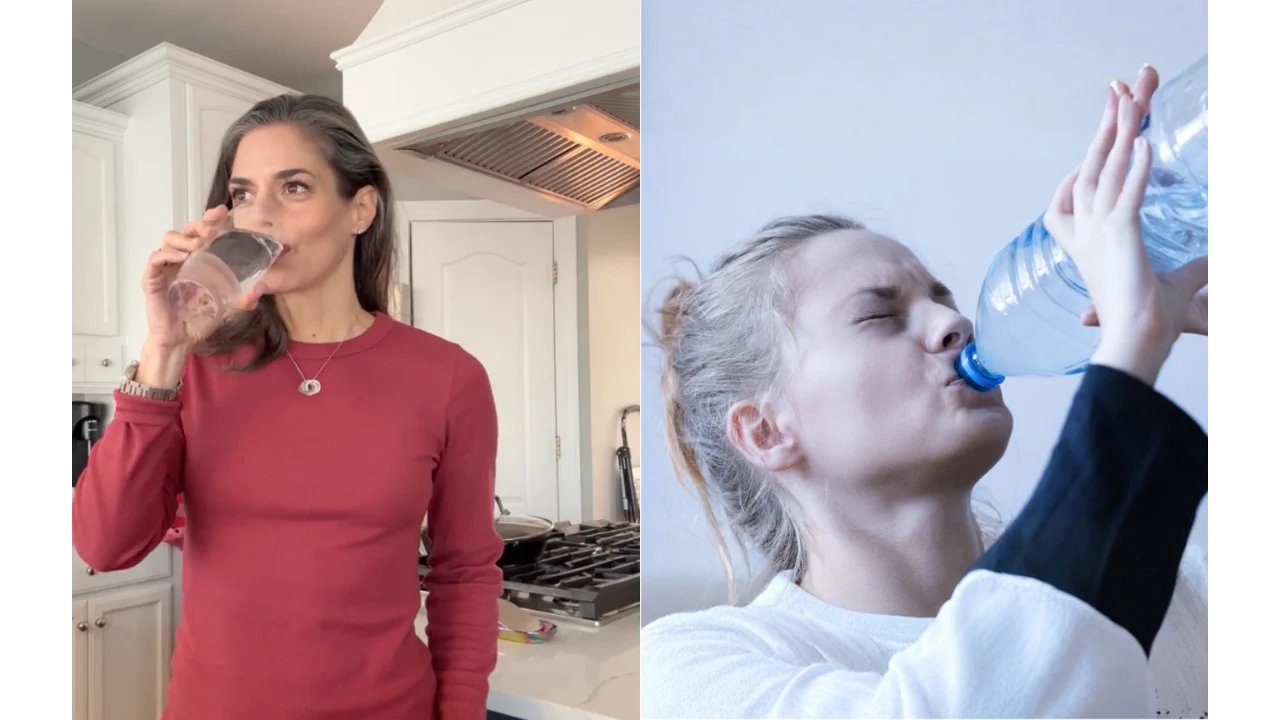
Chugging water is a modern habit, not an ancient one. Drinking too much too fast overwhelms your system and reduces absorption - you pee it right out. When water comes into the system too quickly, absorption drops; the kidneys get stressed, unable to process the load, and hydration doesn't reach necessary tissues, depleting you further.
Ancient wisdom favors slow sipping, ideally while seated, allowing water to hydrate your organs fully instead of flash-flooding the body.
Separate Water From Meals
Both Chinese and Ayurvedic philosophies caution against drinking large amounts of water with food. Digestion relies on heat and enzymes — and excess liquid can dilute that process, leading to bloating and heaviness.
This is a terrible habit that western cultures have adopted, but drinking while eating really dilutes the power of your gut to break down food, causing malabsorption, which can lead to bloating and stomach issues. Aim to drink water before or after meals, not during. I'll typically stop drinking water 30-45 minutes before a meal, and won't touch it until about 30 minutes after, to ensure my digestion isn't stressed.

Gentle Evening Hydration
Many women avoid water at night, but gentle hydration in the evening supports detoxification and replenishment. A warm cup of water or tea in the evening can help to flush toxins from your body and move stagnant lymph fluid (that's why you wake and your face is puffy), it also supports liver and kidney function, and it helps hydrate your system, so your body can adequately digest foods and repair while you sleep.
A warm cup of herbal tea — such as dandelion root — is traditionally used to support the liver, kidneys, and overnight cleansing without taxing digestion. I add a pinch licorice tea leaves to naturally sweeten my tea, and it's my favorite drink of the day.

Balance Is the Goal
Ancient systems never promote extremes. Too little water leads to dryness, fatigue, and stagnation. Too much overwhelms the kidneys and dilutes minerals. The wisdom lies in the right amount, at the right temperature, at the right pace.
To know if you're hydrating the right amount, check your urine color and your lips. If your urine is a darker color, you probably need to hydrate more. If it's too light, you're drinking too much. If your lips are cracked, you need more hydration.
The most supportive way to drink water is simple:
-
warm or room-temperature
-
slow sips
-
preferably seated
-
away from meals
-
spread evenly throughout the day
-
with a warm cup in the evening
Sometimes the smallest shifts create the biggest change. I recommend incorporating these changes; let me know how your health improves!
x
Juliana
Author