When Alcohol Stops Loving You Back: A Midlife Reframe
Dec 22, 2025
Here's the sobering truth about alcohol and women: for so many of us, alcohol has long been an accepted / expected part of how we unwind, connect, celebrate, or mark the end of a long day. A glass of wine, a cocktail with friends — for years it may have felt comforting, social, even supportive. Me, for instance: as recently as a few years ago, I was a High Noon girl, having my ritual 2 drinks / night to relax and unwind from the day.
But midlife has a way of changing the rules, and I know now that my well, I deserve it habit was really undoing so much of what I was trying to accomplish, health-wise.
As hormones shift in perimenopause and menopause, the body becomes more sensitive to things it once handled easily. What used to feel neutral can suddenly leave you feeling anxious, inflamed, exhausted, or “off” the next day. This was absolutely my situation with alcohol, and it’s why so many women quietly begin to notice that alcohol no longer feels like an ally. Let's unpack this important topic.
The Hormone Connection: Why Your Body Responds Differently Now
Alcohol is a stressor to the body, even in small amounts. Estrogen is highly anti-inflammatory, and in midlife, when estrogen and progesterone are fluctuating or declining, the buffer you once had is thinner. Alcohol raises cortisol, disrupts blood sugar, and interferes with hormone signaling — all at a time when your body is working harder to stay balanced.
For many women, this shows up as intensified hot flashes, night sweats, mood swings, irritability, or heightened anxiety. Said another way: drinking often makes your perimenopause symptoms worse. I know for me, more than 1 drink means I'm up, unable to sleep, sweating and usually a migraine sets in. The same drink that once felt relaxing and like a reward to bring the day to a close can now backfire and stoke the very symptoms you’re trying to dampen.
Sleep, Energy, and the Next-Day Ripple Effect
One of the most common shifts women notice in perimenopause is sleep — or the lack thereof. While alcohol may help you initially feel relaxed or even fall asleep, it fragments sleep later in the night, suppressing REM sleep, and increasing early-morning awakenings. In midlife, when sleep is already more fragile, this disruption can have a powerful ripple effect.
Poor sleep affects everything — energy, mood, cravings, stress tolerance, and even how your body responds to exercise. Fatigue humbles us all. Many women are surprised to discover that simply drinking less leads to deeper sleep, clearer mornings, and a steadier nervous system.
Blood Sugar, Inflammation, and the Midlife Body
Alcohol also impacts blood sugar regulation, which becomes increasingly important as we age. It can cause an initial spike followed by a crash, triggering hunger, cravings, shakiness, or irritability. Over time, these swings can contribute to insulin resistance, stubborn belly fat, and difficulty maintaining lean muscle.
From an inflammation standpoint, alcohol increases gut permeability, burdens the liver, and disrupts the microbiome — all systems that play a role in hormone balance, skin health, digestion, and joint comfort. Many women notice reduced bloating, less puffiness, clearer skin, and fewer aches when alcohol intake decreases.
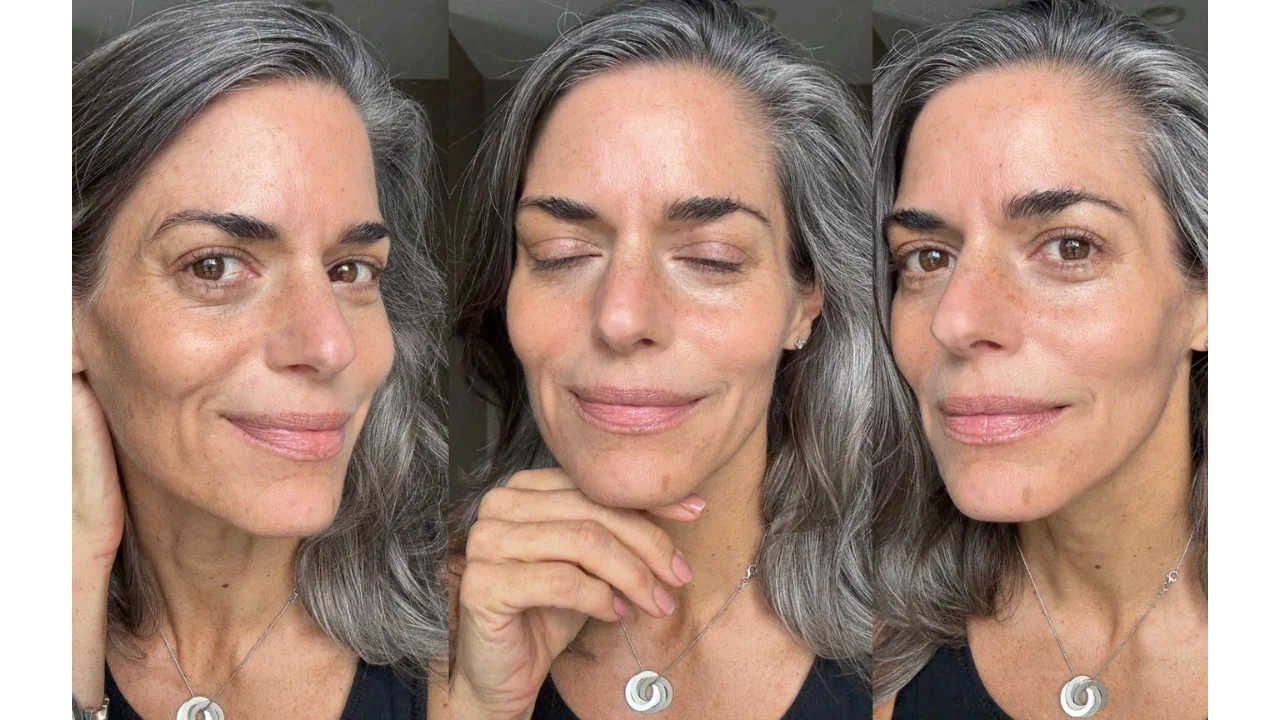
The Emotional Piece: Alcohol and the Nervous System
Emotionally, alcohol is often presented as a way to “take the edge off.” But in reality, it can increase anxiety, lower mood, and interfere with neurotransmitters that help regulate stress. As the nervous system becomes more sensitive in midlife, alcohol can push it further out of balance.
When women reduce alcohol, many describe feeling more emotionally steady, clear-headed, and grounded. That's the net result of no longer stressing and depleting their nervous system.
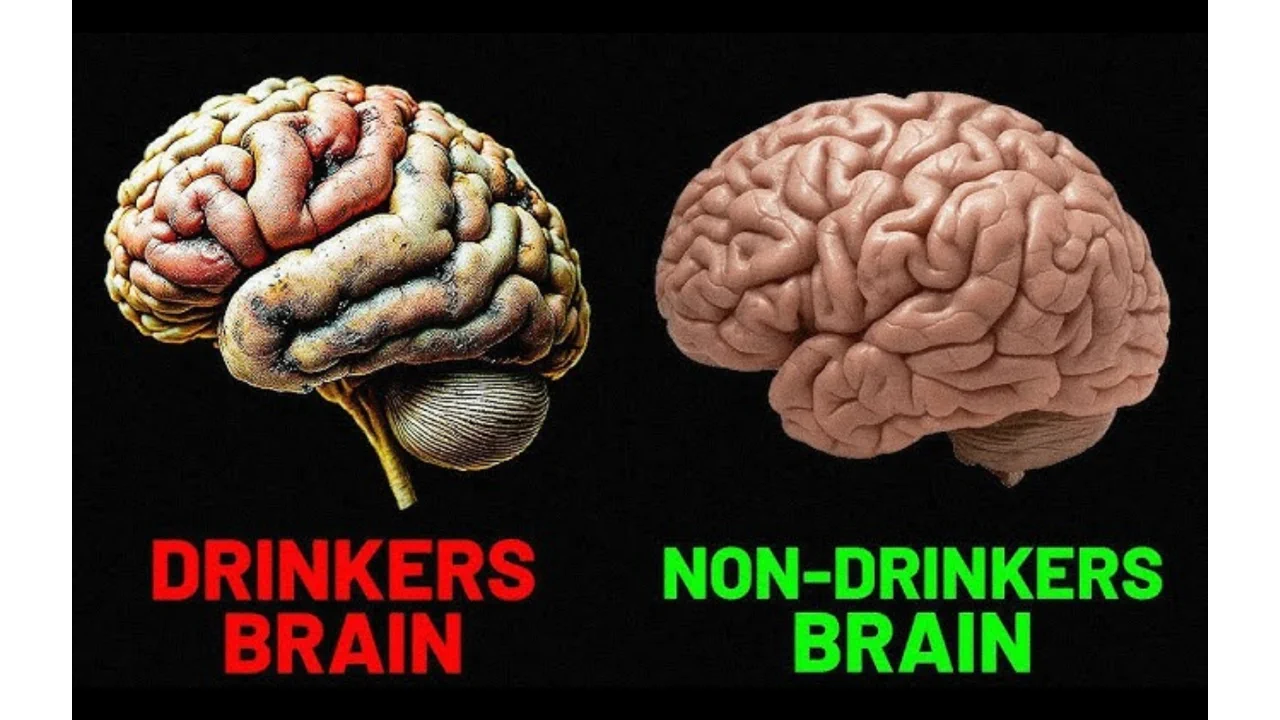
You Don’t Have to Quit Overnight: A Kinder Way to Cut Back
For some women, quitting cold turkey feels empowering. It did for me — I have an 'all-or-nothing' kind of personality, so it felt right to me to just make the switch. For others, this can feel harsh and unnecessary. The good news is that reducing alcohol doesn’t have to be all-or-nothing to make a meaningful difference.
A great place to start is by normalizing alcohol-free days — even one or two per week. These regular breaks give your body time to reset and often bring noticeable improvements in sleep and energy. Importantly, you're creating a new pattern: not drinking on a Tuesday evening, when ordinarily you would. The more you do this, the easier it becomes to have dinner without a cocktail. Over time, you'll begin to crave alcohol less as you experience how good you can feel without it.
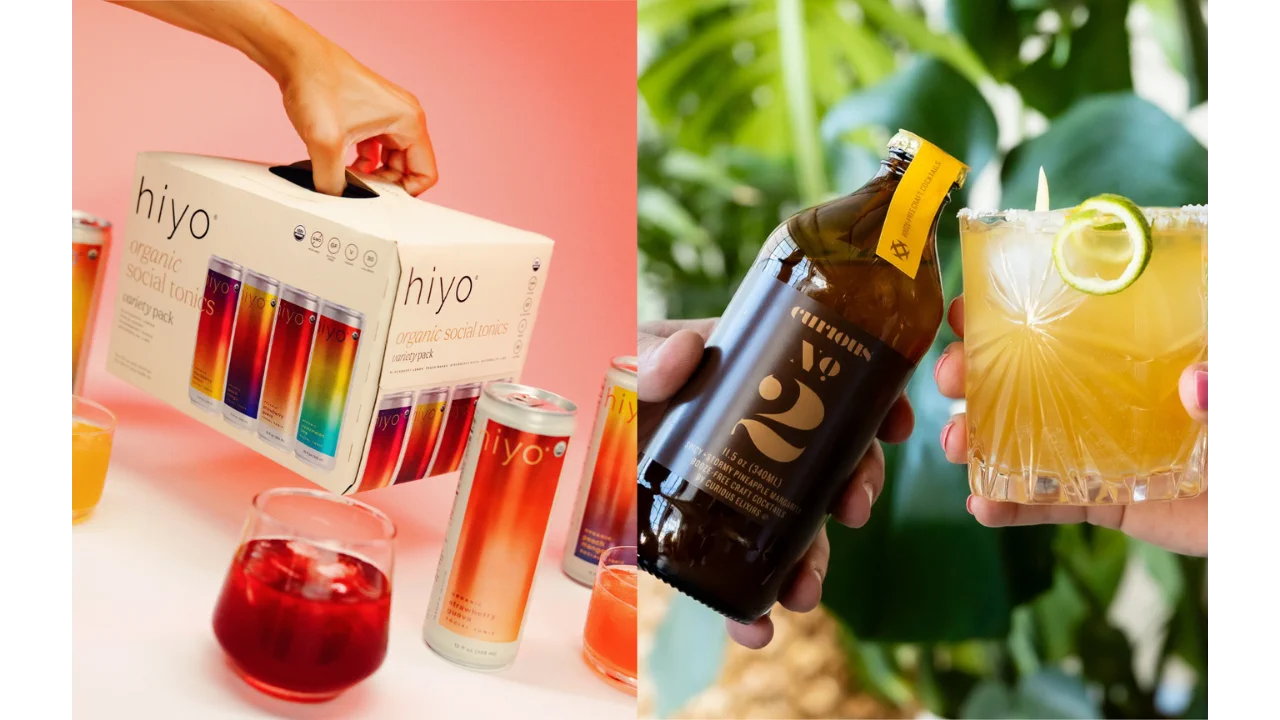
Another supportive approach is to keep the ritual but change the drink. If alcohol has been your signal to unwind, replacing it with something nourishing — sparkling water with citrus, an herbal tea, a zero-proof mocktail or a magnesium-rich evening drink — can still mark the transition into rest without the physiological cost. If you're in the US, there are so many fantastic zero-proof mocktail brands on the market. Hiyo and CuriousElixirs are two of my favorites. The ritual matters just as much as the substance.
Portion awareness can also be helpful. Choosing one drink instead of two, sipping slowly, or setting a clear cutoff earlier in the evening allows you to enjoy social moments while protecting your sleep and hormones. I found this hard to do at first; I would commit to having only one drink, but then I'd feel the effects of alcohol wash over me and invariably would find myself negotiating with myself: "If I'm having one, why can't I have the other?" But distance from alcohol now makes it a no-brainer. If I am going to drink, it's going to be 1 cocktail, and it'd had better be spectacular in taste, flavor and complexity.
For me personally, I chose to drink less. A lot less (like, I can count on 1 hand the number of cocktails I've had this year), but the truth is I do occasionally enjoy a glass of very good wine with my husband on a special occasion. And never is a really long time. For many women, simply drinking less — not never — leads to big benefits.
Normalizing the Choice Not to Drink
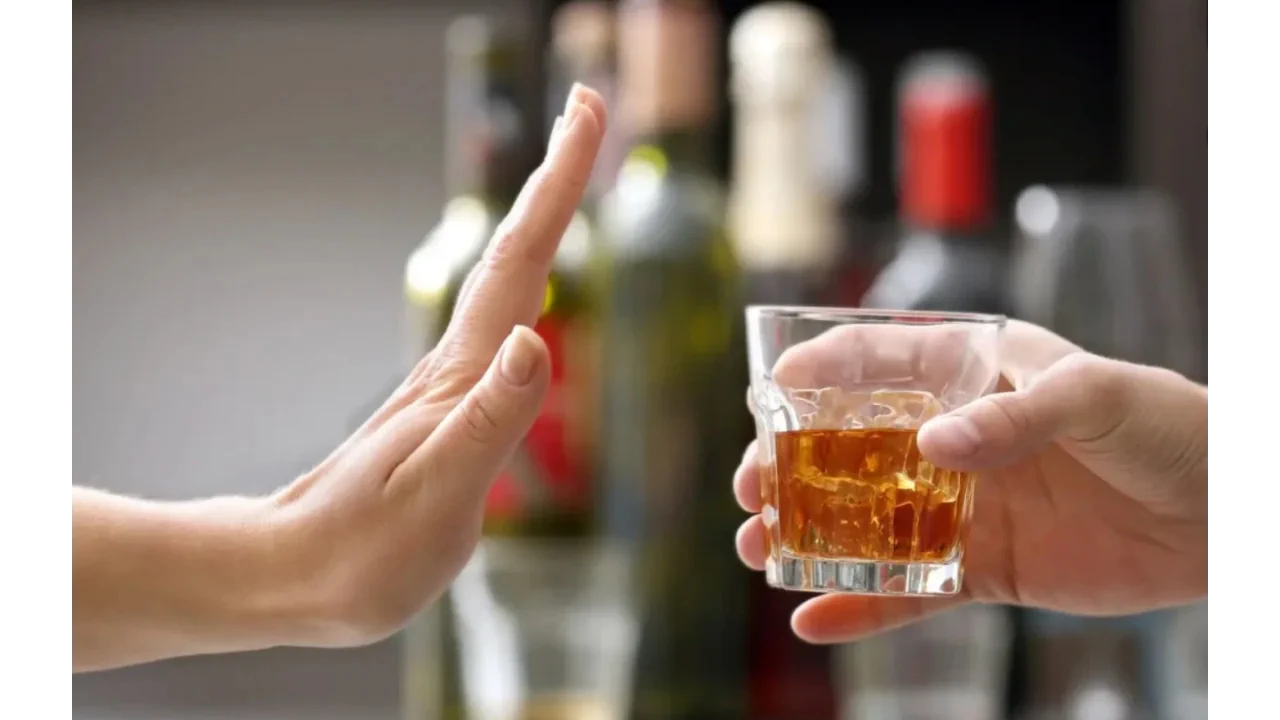
One of the hardest parts of changing your relationship with alcohol is the social piece. Alcohol is deeply normalized — expected, and many women feel pressure to explain themselves. Practicing simple, confident responses like “I’m taking a break,” “I sleep better without it,” or “I’m focusing on my health right now” can remove the emotional weight from the choice.
You don’t owe anyone an explanation for caring for your body.
Supporting your nervous system during this transition can also make a big difference. Eating enough protein, keeping blood sugar stable, staying hydrated, prioritizing sleep, and supporting minerals like magnesium all help reduce cravings and emotional reliance on alcohol. As your body feels safer and more regulated, the desire often fades on its own.
A Midlife Reframe: Choosing What Supports You Now
Reducing alcohol in midlife is about aligning with what's going to not only support you, but make you feel freaking unstoppable. It’s about noticing how your body responds, honoring what feels better, and choosing habits that support the woman you’re becoming.
For some women, that means occasional, intentional drinking. For others, it means letting it go entirely. There’s no right answer — only what feels supportive for you.
Midlife invites us to reassess what truly serves us. Alcohol is simply one of those habits worth exploring with curiosity, compassion, and self-respect.
x
Juliana
PS - if you have questions / comments or you enjoyed this blog post: I love hearing from you. Drop me a note in the comments below. 💋
Author