
Why Grass-Fed Beef is a Top Beauty Superfood
Jan 09, 2026
About 30 years ago, in college, I went vegetarian. I was running cross-country and track, and swore off red meat for salads and chicken. I thought I was in terrific shape, but about 3 years into my no-meat phase, my bloodwork showed a dramatic spike in my cholesterol levels. At 21 years of age, I remember a doctor frowning at me, mumbling something about me needing to 'stop eating Big Macs' and that 'we might need to give you statins'. I went home and started eating red meat again. Six months later, my levels were normal.
I'm the first to acknowledge bio-individuality, and that as a species, one size does not fit all. I'm also not a doctor, but after 54 years of life experience, I know enough to trust in my body's innate wisdom over medical dogma. When it comes to protein - it's a hot topic for women 40+, in case you haven't noticed? - protein matters a great deal to our healthspan and longevity span.
But not all proteins are created equal.
As women move through perimenopause and beyond, our nutritional needs change dramatically. Muscle loss accelerates, our bones become more fragile, our blood sugar regulation can sometimes go full tilt, inflammation becomes easier to trigger, and recovery takes longer.
Protein plays an essential role in calming the chaos. And among the most nutrient-dense, bioavailable protein options available to women in midlife, grass-fed, grass-finished beef consistently stands out. Here's why I haven't looked back at vegetarianism, and why I'm a huge advocate for grass fed, grass-finished meat.
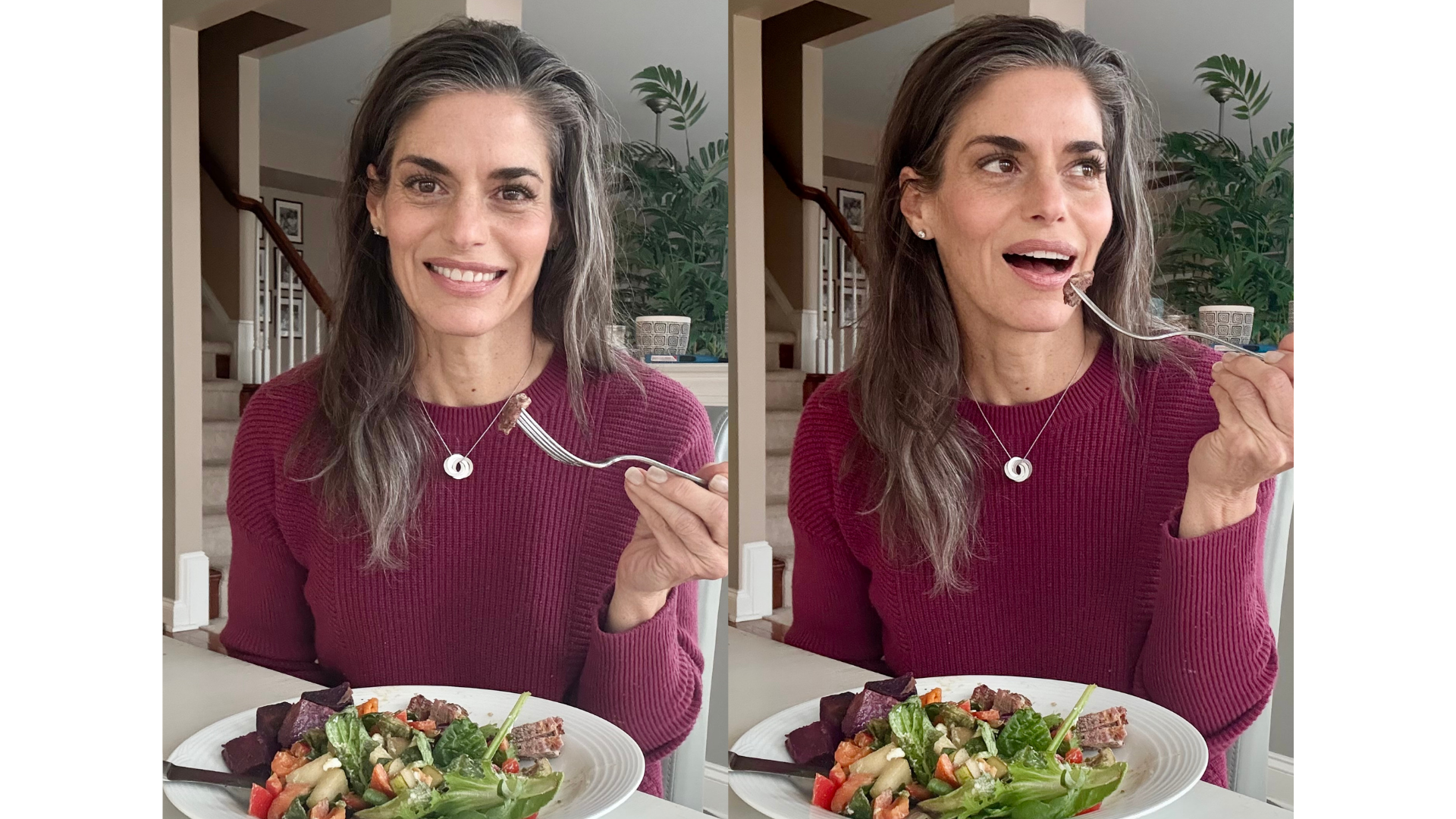
Amino Acids: The Building Blocks of Your Body
Apologies for geeking out on you, but to understand why beef is among the best of the best protein sources, we need to take a look at amino acids. Aminos are the building blocks of protein, and they are what your body uses to build, repair, and maintain nearly every structure and function that keeps you healthy. Amino acids build and repair muscle tissue; they maintain bone strength; they produce hormones and enzymes; they support your immune system, they create neurotransmitters that affect your mood and mental cognition; they regulate your metabolism and blood sugar, and they are responsible for repairing skin, hair, and connective tissue. So they're kind of important.
The body uses 20 different kinds of amino acids; 11 can be made by your system but 9 of them cannot; they must come from food. These 9 are known as "essential amino acids," and if you’re missing even one, your body cannot effectively build or repair tissue. One amino acid in particular deserves attention: leucine.
Leucine is kind of like the 'on' switch for muscle and health. It not only is it an amino acid, it's a signaler, activating a pathway in your body (mTOR) that says "yo, it's time to build some muscle." Adequate leucine intake means you body is working to preserve strength, support bone health, improve insulin sensitivity, and protect long-term mobility. Other forms of protein that don't have leucine aren't signaling these messages, and so muscle isn't being built as efficiently.
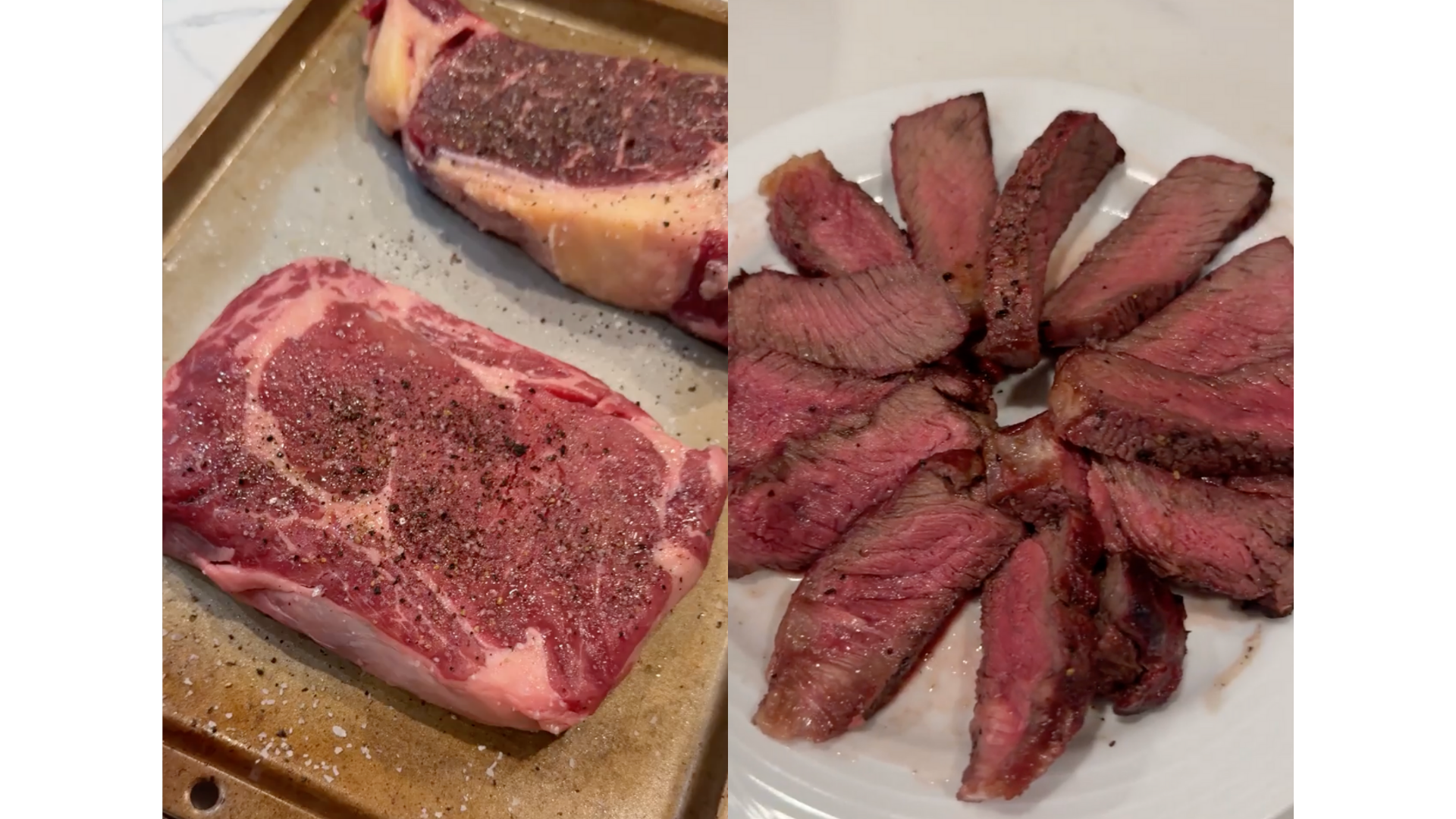
Grass Fed Beef: A Complete Protein
So here's the thing about grass fed beef: Grass-fed beef is a complete protein, meaning it contains all 20 amino acids, including all nine essential amino acids your body cannot make on its own. Grass-fed beef provides leucine in a highly absorbable form, making it especially valuable for women lifting weights or trying to maintain muscle as hormones shift. (Other types of protein that have leucine: lamb, pasture-raised eggs, chicken, and dairy.)
This matters so much in midlife, when we are undergoing dramatic hormone changes that impact everything from our hair, nails, and skin to heart and bones. In midlife, your body needs more high-quality protein, adequate essential amino acids, and all the nutrients, omegas, vitamins and anti-oxidants that come with grass-fed beef.
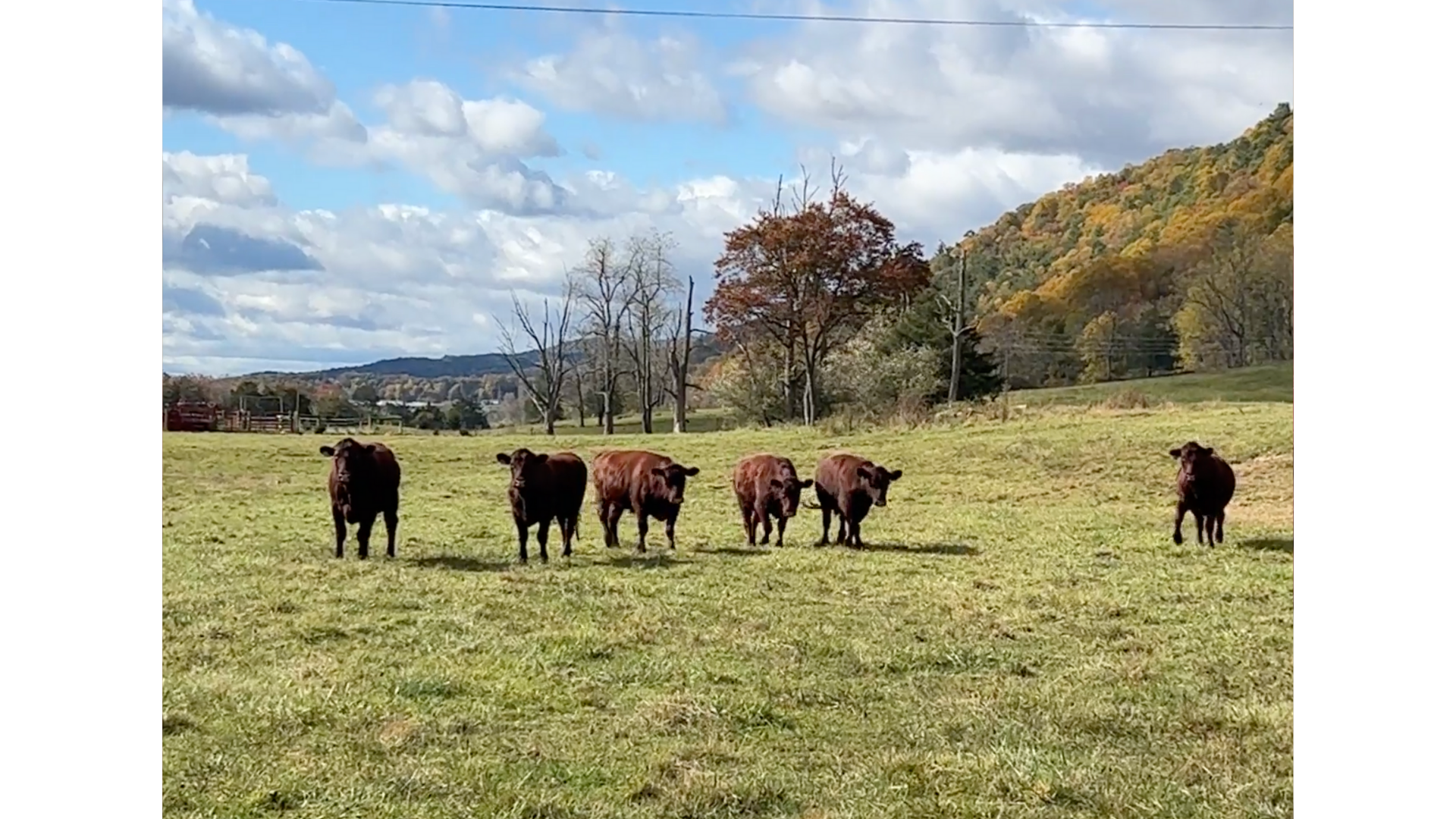
Omega-3 Fatty Acids for Inflammation and Hormone Health
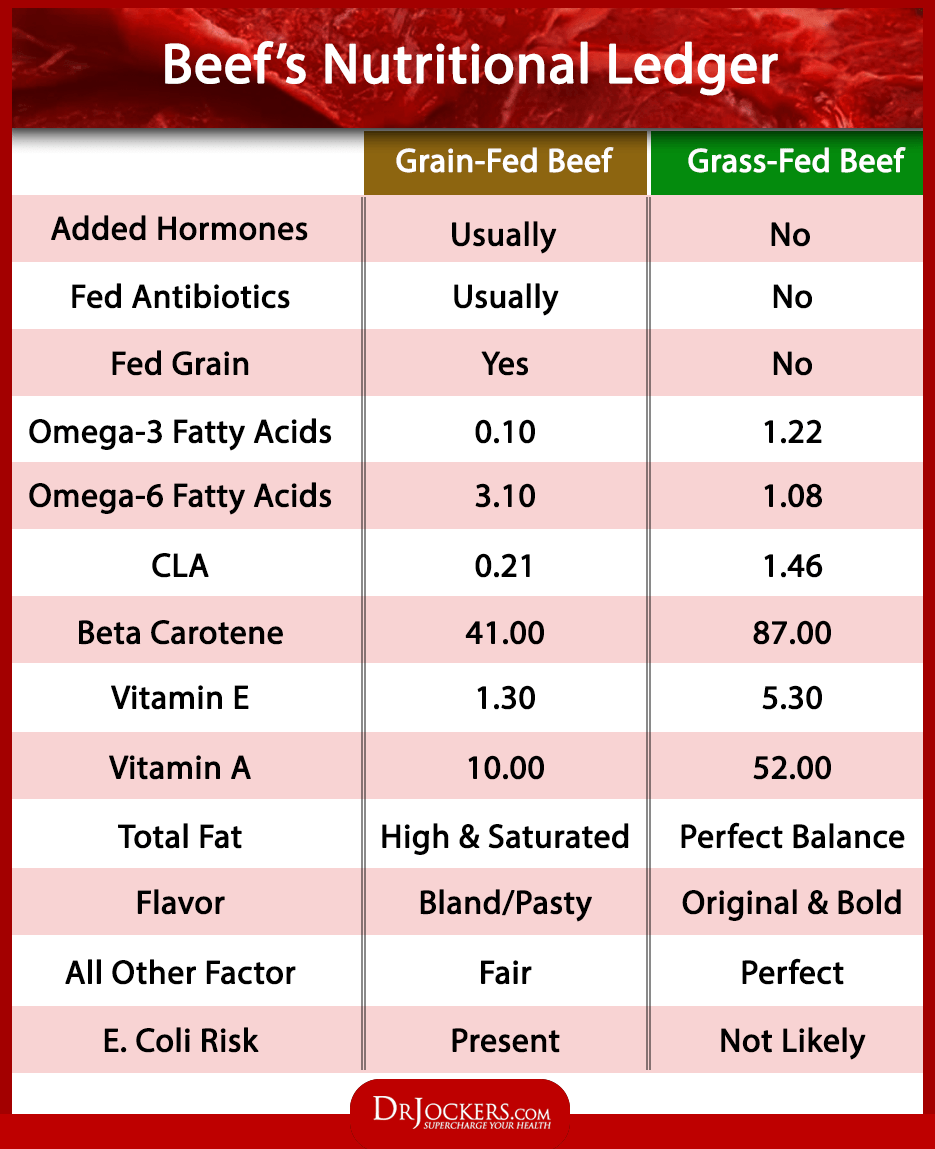
Unlike conventionally raised beef, grass-fed beef contains higher levels of omega-3 fatty acids. What are those? Glad you asked! Omega-3s are a family of essential fatty acids your body cannot make on its own. You must get them from food. They are built into your cell membranes, meaning they influence how every cell in your body communicates and functions.
Think of omega-3s as inflammation regulators, and when omega-3 intake is low, inflammation rises. When intake is adequate, the body becomes more resilient. Inflammation is at the root of many midlife and perimenopause symptoms — joint pain, brain fog, stubborn weight gain, skin issues, and cardiovascular risk.
So in midlife, when estrogen fluctuations can amplify inflammatory responses, omega-3 intake becomes even more important. While fatty fish is often highlighted, grass-fed beef provides an additional, complementary source — especially helpful for women who struggle to tolerate fish regularly.
It's not just Aminos and Omega-3s.
As if that wasn't enough, there's more benefits to eating beef. Grass-fed beef is one of the richest natural sources of conjugated linoleic acid (CLA), a fatty acid linked to improved body composition, reduced inflammation, and better metabolic health. It also contains strong levels of vitamin E and antioxidant compounds. And it's rich in B vitamins, particularly B12, B6, and niacin. Low Vitamin B levels are common in midlife women and can contribute to fatigue, brain fog, mood changes, and nerve symptoms. Beef provides B vitamins in its most bioavailable form — far more absorbable than plant sources or fortified foods.
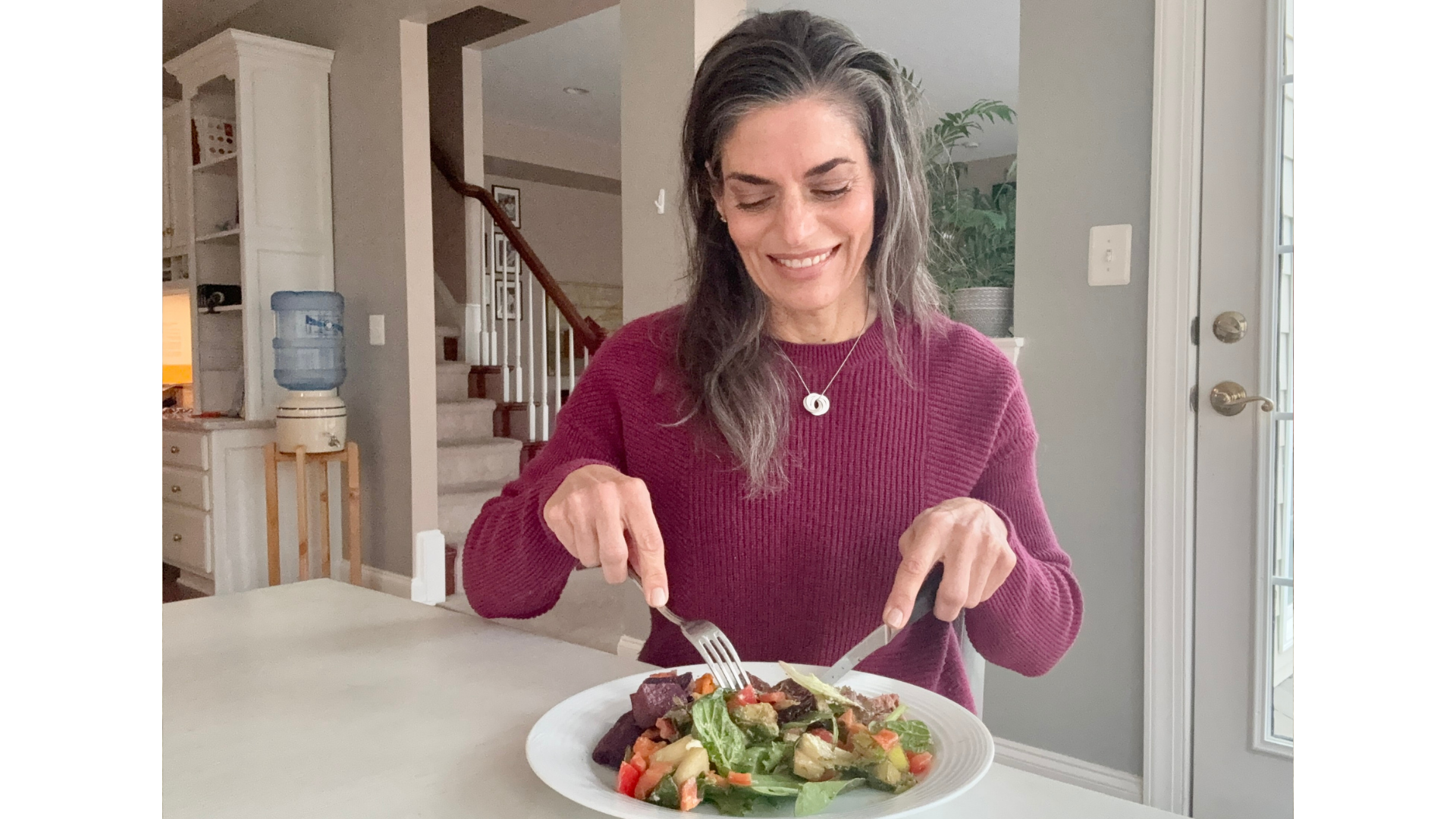
Then it's high in Iron, which supports oxygen delivery, stamina, thyroid function, and cognitive clarity (and a lot of women become deficient in iron in perimenopause, so if that's you... go eat a hamburger). And finally, grass-fed beef is high in zinc, which is critical for immune health, wound healing, hormone signaling, and hair and skin integrity.
Why Grass-Fed and Grass-Finished Matters
Will any beef work? Actually, no. Not all beef offers these benefits equally. Grass-fed, grass-finished beef differs from conventional beef in meaningful ways:
-
higher omega-3 content
-
more CLA
-
better antioxidant profile
-
fewer inflammatory fats
-
no routine antibiotics or growth hormones
Modern feedlot beef — raised on grain-based diets in industrial systems — simply doesn’t reflect how cattle are biologically designed to live. Cows evolved to graze on grass, not corn and soy. When they eat grass, the nutrient profile of the meat changes — in ways that benefit us.
Yes, grass-fed beef costs more. My husband and I made the decision to prioritize it for our family, knowing it’s a meaningful investment. For us, it’s a trade-off we’re willing to make — fewer ultra-processed foods, better quality protein, and nourishment that supports long-term health.
A Midlife Perspective on Protein
In sum, I am a big believer in bio-individuality, but for many women in midlife, grass-fed beef can make it easier to hit protein goals. It can support strength and bone density, reduce inflammation, improve energy and recovery, and nourish skin, hair, and overall vitality.
When paired with vegetables, fiber, movement, and good sleep, it becomes part of a foundation that supports aging well. It's why I've never considered vegetarianism again, and why I think of grass-fed beef as a Top Beauty Superfood.
Author