
Why Your Sleep Changes in Early Spring — and What to Do to Steady It
Feb 09, 2026
As we move out of winter and into spring, something subtle starts happening before we even register the weather changing. The mornings get brighter a little earlier. Evenings stretch out just a bit longer. The light is shifting, and imperceptible to you, but your brain notices before you consciously do.
Many women in midlife find that with this time of year, that sleep changes as well. You may fall asleep normally but wake earlier. Or you wake around 2–4 a.m. with your mind alert even though you’re tired. Sometimes sleep feels lighter or more fragmented, leaving you feeling fatigued and drained. It’s easy to assume stress, hormones, or just a bad night, but stay with me: seasonal light plays a real role in how the brain organizes sleep.
Your circadian rhythm — the timing system in the brain that decides when you feel alert and when you feel sleepy — runs primarily on light signals. Sunlight. (We are, after all, just more complex plants.) With the greeting of the sun every morning, our circadian rhythm regulate serotonin and melatonin production, two neurotransmitter that cues us to feel awake or sleepy. As days lengthen, the brain begins adjusting melatonin production and cortisol timing. This is healthy and expected, but the transition period can feel uneven, especially if your sleep is already a bit sensitive.
In midlife, this adjustment is often more noticeable because progesterone and estrogen no longer buffer the nervous system the way they once did. The brain becomes more reactive to small changes in timing, temperature, and blood sugar. So instead of gradually shifting, sleep can feel disrupted for a few weeks while your internal clock recalibrates.
How to Steady Your Sleep
I've spoken often about this, but it needs to be stressed: one of the most important foundations for sleep optimization starts in the morning with early morning sun exposure. Even if I’ve had a bad night of sleep, I get up at the same time (for me it’s around 7am) and within ten minutes, I’m outside, getting early morning sun exposure. This is a vital part of my sleep optimization program, because sun exposure triggers serotonin production in the body, that neurotransmitter that creates alertness and wakes you up. And serotonin production automatically triggers melatonin production about twelve hours later. So even if I’m exhausted from a poor’s night’s sleep, I get up and get morning sunlight in. 10 - 15 minutes is all you need, a bit longer if it’s cloudy out.

I also use food to help with sleep.
One of the most helpful concepts to understand is that the brain still requires fuel overnight. If stored energy drops too low while you sleep, the body compensates by releasing cortisol and adrenaline to raise blood sugar. That’s often what’s happening when you wake suddenly and feel alert at 3 a.m.
When you know this, you know that consuming a bit more complex carbs for dinner, and/or a small amount of carbohydrate in the evening can prevent that signal.
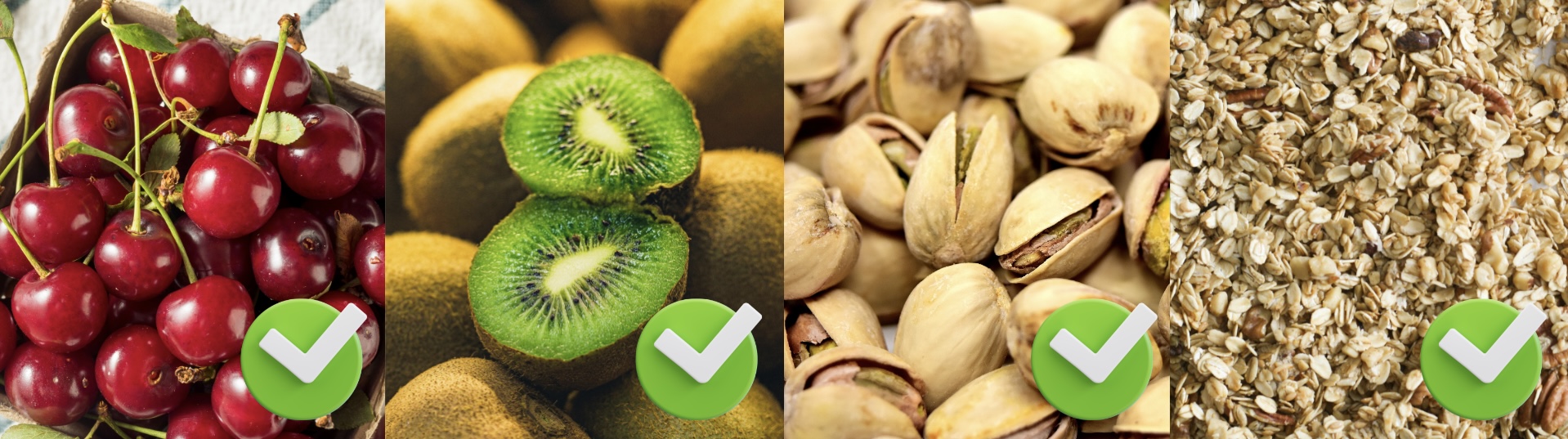
Foods like kiwi or a small portion of starch at night can noticeably change sleep quality. Kiwi contains serotonin along with vitamin C and antioxidants that support the conversion of serotonin into melatonin later in the night. Eating it after dinner or as a simple dessert gives the brain material it naturally uses to organize sleep cycles. Other foods that help melatonin production (these contain melatonin or support its synthesis):
- Tart cherries (and tart cherry juice)
- Kiwi
- Pistachios
- Oats
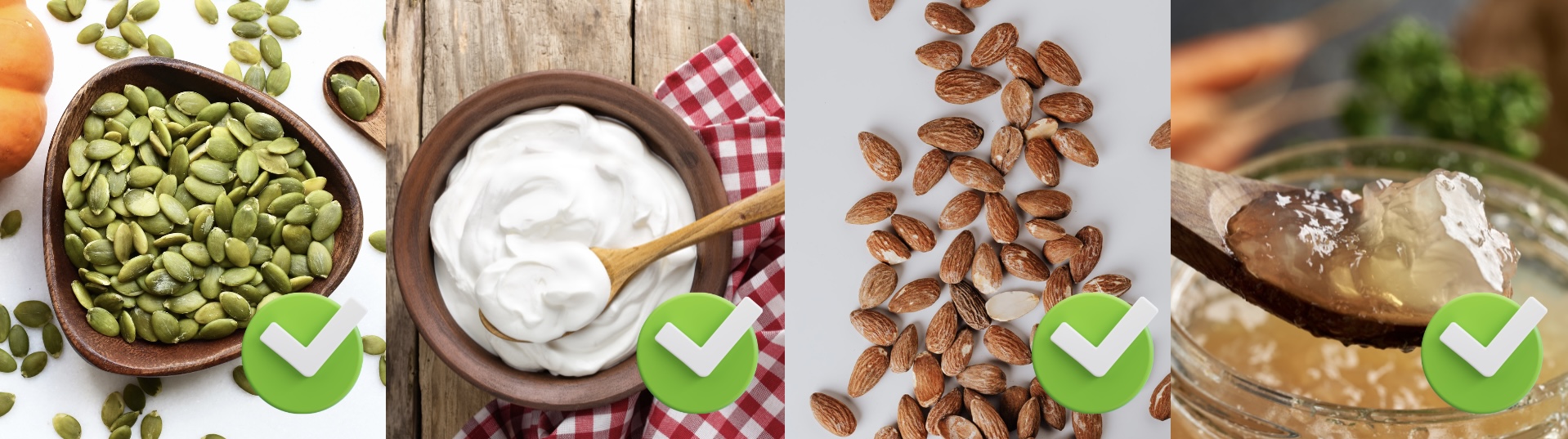
Then there are foods that calm the nervous system. These foods are rich in magnesium, potassium, or glycine, which are excellent for calming the system down, and keeping you relaxed as you drift off to sleep:
- Pumpkin seeds
- Yogurt or kefir
- Almonds (small portion)
- Bone broth
- Collagen or gelatin desserts
Finally, there are foods that help improve nighttime stability, and work to prevent those overnight stress hormone spikes. These include:
- Sweet potatoes
- Potatoes
- Rice
- Quinoa
- Oatmeal
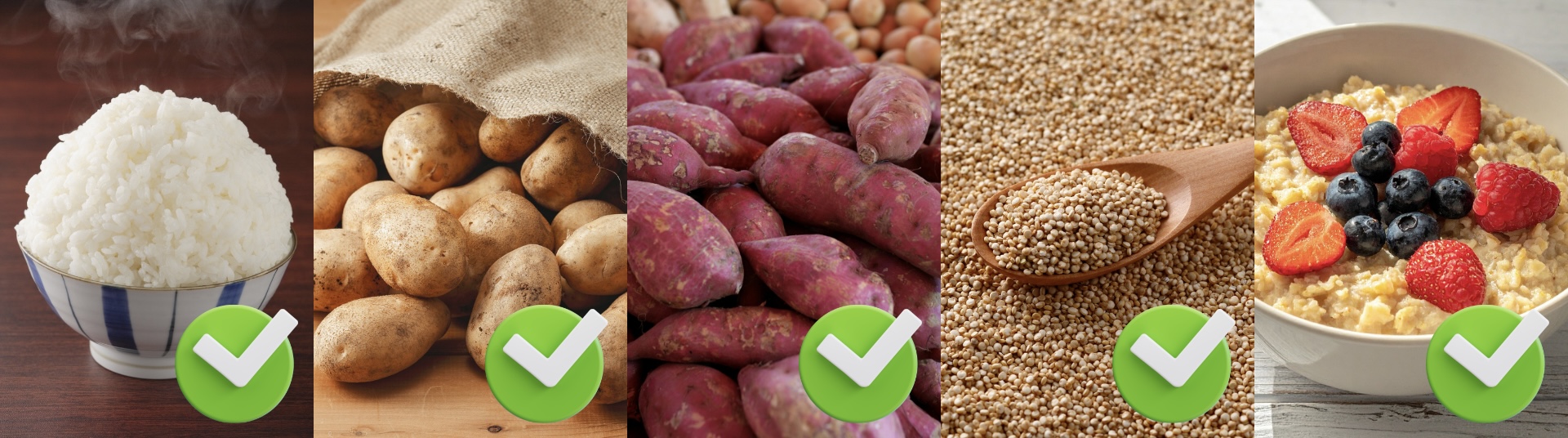
These help refill liver glycogen, the stored carbohydrate your brain relies on overnight. When that reserve is adequate, the brain doesn’t need to trigger a stress response to maintain balance. Sleep becomes steadier and those awakenings become fewer and fewer.
Where Intermittent Fasting Can Do Damage
Many women notice they sleep worse when they unintentionally under-fuel dinner, skip carbohydrates entirely, or go to bed slightly hungry. Earlier in life this often went unnoticed because hormones buffered the effect. During seasonal transitions — and especially in perimenopause — the nervous system responds more quickly.
A balanced dinner that includes protein, fat, and some carbohydrate is usually enough to keep your brain from switching on in the wee hours. If your early waking has been consistent, a small ‘dessert’ an hour or two later might help: a kiwi, yogurt with fruit, a few bites of sweet potato, or a simple bowl of oatmeal. Read that again: this isn't a "oh, goodie, eating for pleasure" kind of treat; this is simply consuming carbohydrate to help stabilize glycogen for fewer disruptions.
In sum
Seasonal shifts are temporary, but how you support your physiology during them matters. When light changes, your brain recalibrates. Giving it steady cues like consistent morning sun exposure, consistent evening light, regular meals, and enough fuel helps this transition to longer days feel smoother and steadier.

As we shift into spring, it’s not just the weather that’s changing; our timing changes, too. If we can focus on removing small triggers that wake the brain when it would otherwise stay resting, we can sleep more soundly and be happier all around. If you try this, please let me know how these foods work for you! And if you want more sleep articles, I have an entire waking-up-at-3am?-Here's-how-to-get-back-to-sleep protocol that you can read about here, and if you find yourself struggling from a bad night of sleep, here’s how to save the day.
That's it for this blog post, love. Leave me a note if you enjoyed this or have a comment--
x
Juliana
PPS - if you enjoyed this blog post and you're not yet subscribed to our newsletter, sign up for our monthly newsletter! We drop aging well strategies on nutrition, exercise, sleep, HRT, clean beauty, facial exercise & more.
Author