
Hitting Your Protein Macros in Midlife, Part 2: Building Your Repertoire
Oct 03, 2026
"Juliana, if I eat one more dry chicken breast, I'm going to lose my mind."
OMG have I been here! I know this intimately: we decide to get serious about protein. We're fired up. We buy a family pack of chicken breasts and the biggest tub of Greek yogurt the store has. And by Thursday we've officially OD-ed on chicken and we're standing in front of the fridge, contemplating life choices and our decision-making abilities in our finer years.
Sound familiar?
That's the trap. Most of us hit our protein for about four days, get bored out of our minds, and slide right back to toast and coffee. And then we decide we're "just not good at this."
Pshaw. You're plenty good at this. You just need more options.
And it's worth getting right, because in midlife protein does a lot of the heavy lifting. As estrogen drops, we lose muscle faster, and our muscles need more protein than they used to just to hold on to what we've got. Eating enough protein, consistently, can shift your body composition on its own, and paired with strength training it's a game changer.
This is part 2 of my 2 part series on how to hit protein macros in midlife and why it's so important for us ladies! Last time, we covered your protein target, why spreading it through the day matters, and how vegan, vegetarian, dairy, and egg-based days can easily land you at 90 to 110 grams. If you missed Part 1, start there — today we're rounding out the rest of your options: poultry, beef, pork, seafood, legumes, and protein powders, plus how to make hitting your number second nature instead of a math problem.
The goal by the end of this post: a go-to list of 10 to 15 proteins you actually like eating. Because the best protein is the one you'll eat consistently, and nobody's eating sad chicken consistently. Not even me.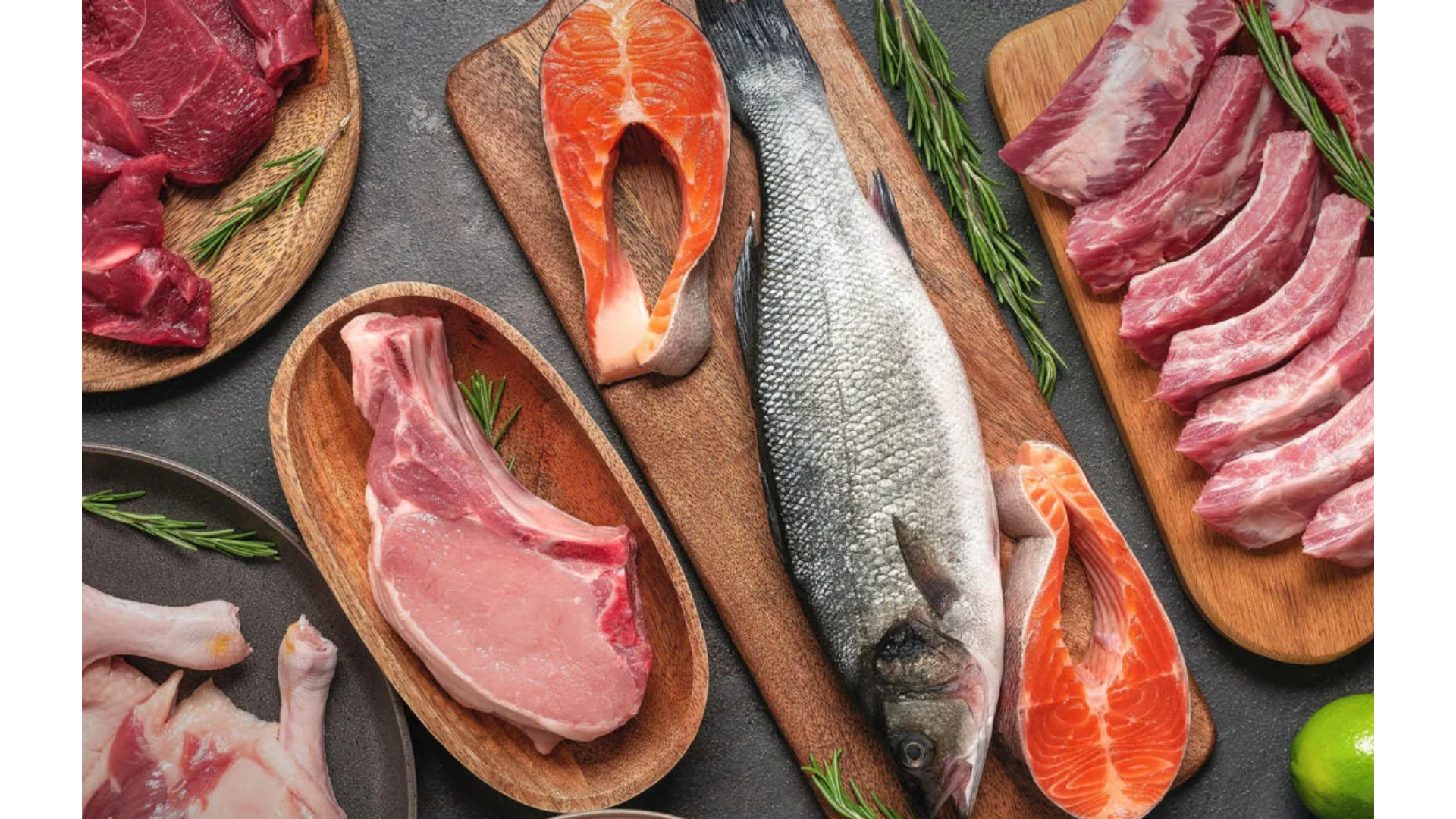
Before we dive in, a quick recap on WHY protein
Cue the eyeroll, but listen up, Amanda: eating adequate amounts of protein on a consistent basis in midlife is enough to shift body composition alone. So if you've been wondering why you're gaining weight in your midsection despite doing everything "right" -- I urge you to check your protein macros. Increasing your protein intake can shift you to a more lean physique because you're fueling your body in a way that contributes to muscle growth. Add strength training and daily regular movement and you're well on your way to getting sculpty!
Now, what kind of protein to eat is the all-important question! In part 1, we covered vegan and vegetarian protein options. Here, we're covering animal-based protein options. Let's get into it.
Poultry: The Versatile Protein
Chicken and turkey are popular for good reason — versatile, relatively lean, and easy to build a meal around: chicken breast, chicken thighs, ground chicken, turkey breast, ground turkey, rotisserie chicken.
And please, don't sentence yourself to a dry chicken breast and steamed broccoli every night. Put chicken or turkey into salads, grain bowls, tacos, soups, stir-fries, wraps, pasta, lettuce cups, Mediterranean bowls — wherever it fits. The trick is to make protein the anchor of the meal, not the punishment on your plate.
Sample Poultry-Focused Day: About 110g Protein / day
- Breakfast: 2 eggs + ½ cup egg whites with vegetables — ~23g
- Snack: Greek yogurt — ~17g
- Lunch: Grilled chicken salad with 4 oz chicken, vegetables, avocado, and chickpeas — ~40g
- Snack: Cottage cheese with berries — ~15g
- Dinner: Turkey meatballs with roasted vegetables and quinoa — ~25g
- Total: ~120g
Aiming closer to 100g? Trim the chicken or turkey portion slightly and call it a day.
Grass-Fed Beef & Pork
I don't think women need to fear red meat, and I don't think everyone needs to eat it either. If you enjoy beef and pork, they earn their place in a nutrient-dense diet just fine.
Beef: grass-fed ground beef, sirloin, tenderloin, flank steak, skirt steak, lean steak cuts — protein alongside iron, zinc, and B12.
Pork: pork tenderloin, pork loin, pork chops, lean ground pork.
One distinction worth holding onto: fresh beef or pork is not processed meat. Bacon, sausage, and hot dogs live in a different category entirely. My philosophy has never changed on this — it's about the overall pattern of your diet, never about turning one food into the villain.
Sample Beef & Pork Day: About 100g Protein / day
- Breakfast: 2 eggs + ½ cup cottage cheese with berries — ~25g
- Snack: Greek yogurt — ~17g
- Lunch: Grass-fed beef taco bowl with 4 oz lean ground beef, black beans, vegetables, and salsa — ~35g
- Snack: Apple with 2 tablespoons peanut butter — ~8g
- Dinner: 3 oz pork tenderloin with roasted vegetables and sweet potato — ~23g
- Total: ~108g
Don't Forget Seafood
If you want a protein source that brings a little extra to the table, seafood earns a starring role: salmon, sardines, trout, tuna, cod, halibut, shrimp, scallops, mussels, oysters, anchovies.
Fatty fish especially — salmon, sardines, trout — carry EPA and DHA omega-3s on top of the protein. Work seafood in a couple times a week if it's something you enjoy.
Sample Seafood-Focused Day: About 100g Protein
- Breakfast: 2 eggs + ½ cup egg whites with sautéed vegetables — ~23g
- Snack: Greek yogurt with berries — ~17g
- Lunch: Tuna salad lettuce wraps with 1 can tuna, avocado, and vegetables — ~30g
- Snack: Edamame, ¾ cup — ~13g
- Dinner: 4 oz salmon with roasted vegetables and quinoa — ~27g
- Total: ~110g
Beans, Lentils & Legumes
Legumes get their own section because they're useful for everyone, not just my vegan and vegetarian readers. Beans and lentils hand you something most animal proteins can't: protein and fiber, together, in one food.
Lentils, black beans, chickpeas, cannellini beans, kidney beans, split peas, edamame — toss them into soups, salads, grain bowls, tacos, or roasted vegetables. It's one of the easiest ways to make a meal more filling and more nutritionally dense at the same time.
Sample Legume-Focused Day: About 95–100g Protein
- Breakfast: Greek yogurt with berries, chia, and hemp hearts — ~25g
- Snack: Edamame, 1 cup — ~17g
- Lunch: Lentil and quinoa bowl with chickpeas, vegetables, and tahini — ~25g
- Snack: Cottage cheese with fruit — ~15g
- Dinner: Black bean tacos with avocado, vegetables, and a little cheese — ~20g
- Total: ~102g
Proof that a plant-forward day can run high-protein without a scrap of meat in sight.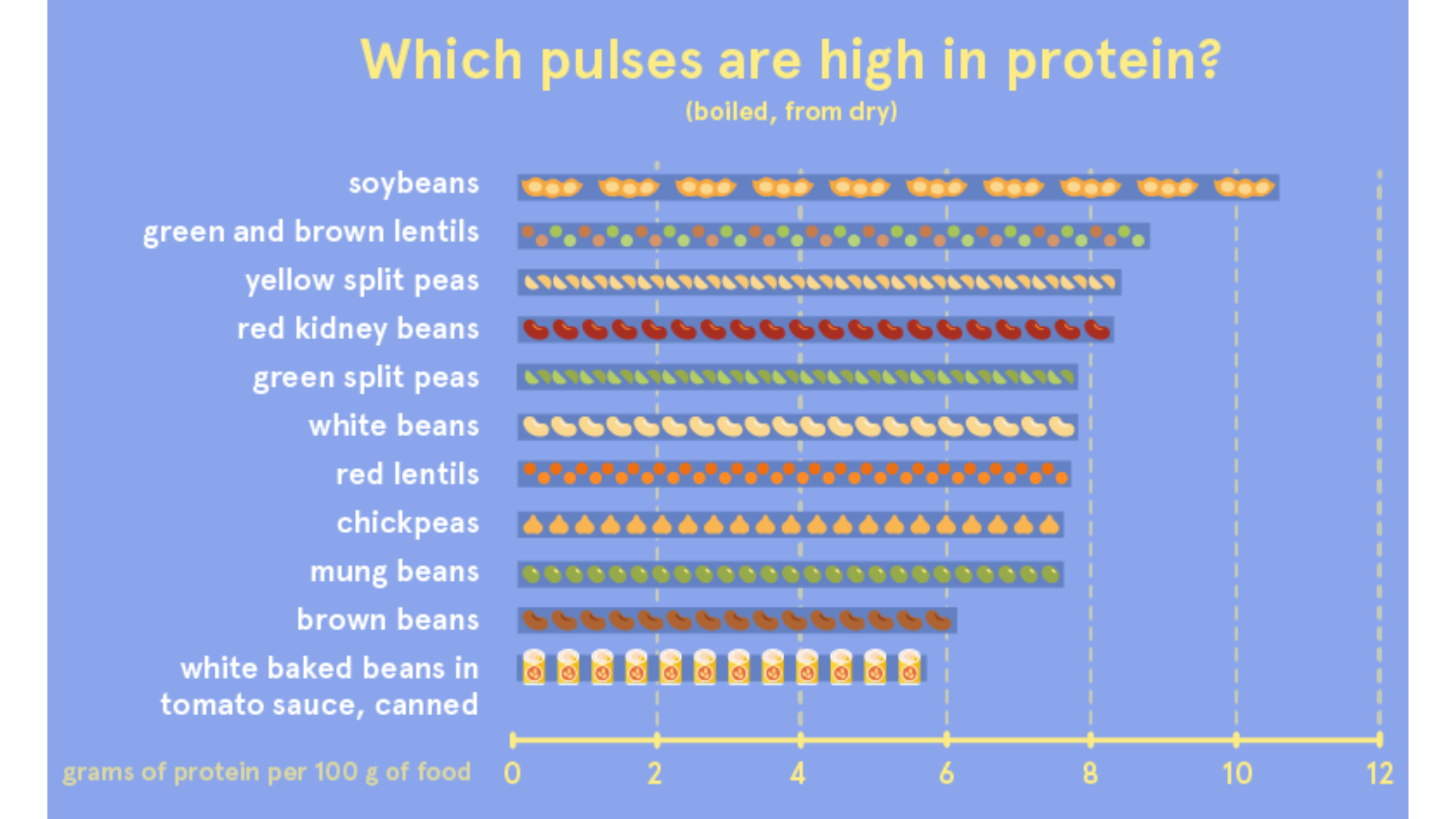
Protein Powders & Convenient Protein
Supplements were never meant to be the foundation of your diet, but they can be a real lifesaver when life refuses to cooperate. Protein powders — whey, whey isolate, casein, egg-white protein, soy, pea, rice, plant blends — help close the gap when whole foods alone won't get you there. I use protein powder as a tool, not a replacement for real food.
One distinction worth remembering: collagen is not a complete protein. It has its uses, but it was never built to be your primary protein source or a stand-in for the real thing.
Sample Convenient-Protein Day: About 100g Protein
- Breakfast: Protein oats made with oats, milk, egg whites, and protein powder — ~30g
- Snack: Greek yogurt — ~17g
- Lunch: Chicken and vegetable grain bowl — ~30g
- Snack: Protein smoothie with ½–1 scoop protein powder, berries, and milk — ~15g
- Dinner: Vegetable and lentil soup with a slice of whole-grain toast — ~15g
- Total: ~107g
The goal was never to turn every meal into a protein-supplement delivery system. It's to show what a powder can do when your day isn't cooperating.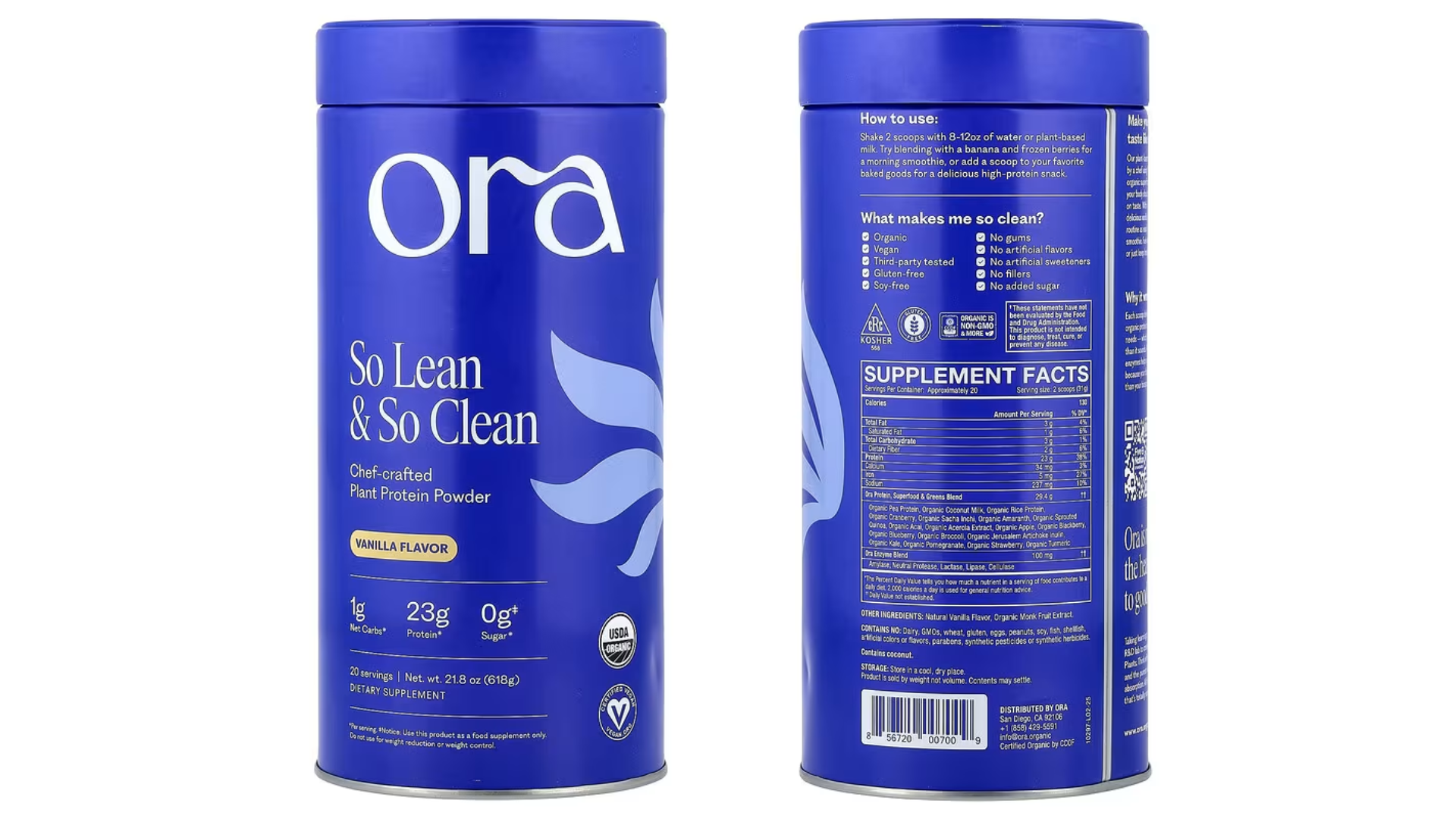
How to Actually Hit Your Protein Goal
Here's where I want to make this simple. Instead of waking up and staring down "how am I going to eat 120 grams of protein today" as one impossible mountain, break it into smaller targets:
- Breakfast: 30g — Greek yogurt + protein powder + berries + chia
- Lunch: 30g — Chicken salad with chickpeas
- Snack: 20g — Cottage cheese + fruit
- Dinner: 35g — Salmon + roasted potatoes + vegetables
That's 115 grams without eating anything strange, restrictive, or complicated. Call it Protein-Math, and it's the only math you actually need.
And if you come up short one day? It's fine. We're playing for consistency over months, not perfection on a Tuesday.
Build Your Protein Repertoire
Here's my biggest piece of advice: stop relying on one protein source. Make a list of 10 to 15 proteins you truly enjoy. Maybe yours looks like Greek yogurt, eggs, cottage cheese, chicken, turkey, salmon, shrimp, grass-fed beef, lentils, chickpeas, edamame, tofu, protein powder, kefir, egg whites.
Now you've got options. Mix and match through the week, and build meals around whatever actually sounds good that day.
Because the best nutrition strategy was never the fanciest one — it's the one you can sustain long after the motivation wears off.
You don't need a perfect diet to thrive in midlife. You need enough protein. You need plenty of plants and fiber. You need nourishing fats and quality carbohydrates. You need strength training. And you need a way of eating you actually enjoy enough to keep doing, week after week, year after year.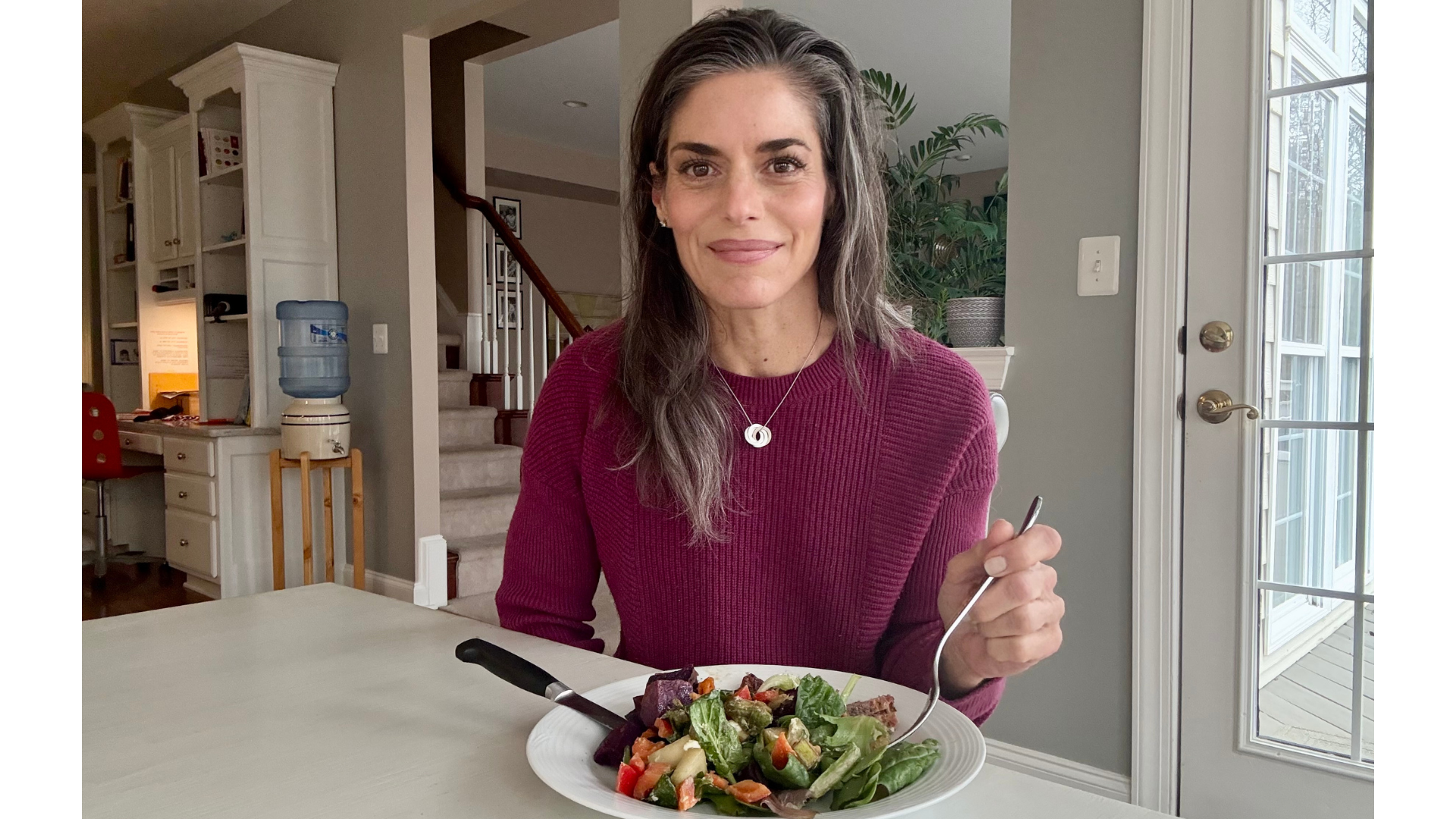
Protein was never about eating more food — it's about being intentional with the food you already eat. Make it a priority at every meal, and hitting your macros stops being complicated. Your strongest, healthiest body gets a whole lot easier to build.
This exact approach to protein — plus the strength training and hormone piece that makes it actually work in midlife — is what we walk through step by step inside the Aging Well Naturally Masterclass.
Ready to put this into a full plan? Join the Aging Well Naturally Masterclass Waitlist → You'll be the first to know the moment enrollment opens, plus first access to any early-bird pricing or bonuses.
x Juliana
Author