
15 Ways to Reduce Stress in Midlife
Dec 16, 2025
Stress feels different in midlife — sharper, louder, harder to shake. That’s because as our hormones decline and estrogen in particular declines, the systems that used to buffer stress become more sensitive. Blood sugar swings hit harder. Noise feels overstimulating. Sleep disruptions ripple into everything. Stress isn’t just emotional anymore; it’s biological. That’s why reducing stress triggers isn’t a luxury — it’s essential to staying, well, sane.
Below are 15 powerful ways midlife women can lower stress at the root and support a calmer, more regulated, more resilient body.
1. Balance Blood Sugar
If you want fewer stress spikes, start with your blood sugar. That dessert you love? Does not love you back. When glucose rises and crashes, cortisol follows — and midlife makes you more sensitive to both. Stabilizing blood sugar means steadier moods, better energy, and calmer hormones.
You can do this by pairing protein with every meal, eating in the order fiber → protein → carbs, and limiting “naked carbs,” aka the sugary treats we love to indulge in. Bonus tip: take a brisk 10-minute walk after your meals (especially dinner!), as this helps to regulate blood sugar levels. These little tweaks have a massive calming effect on your nervous system.

2. Reduce Inflammation
Inflammation makes your internal “alarm system” more reactive. When inflammation rises, everything feels like a trigger — your mood, patience, symptoms, and even your sleep. Not to mention, the onset of joint pain and body aches that come with inflammation. Frozen shoulder, anyone?
You can do a lot to reduce inflammation by modulating your diet: boost your omega-3 intake (salmon, sardines, walnuts); add turmeric & ginger to foods, drink a nourishing bone broth, and swap ultra-processed foods for real, one-ingredient foods (think: broccoli, potatoes, steak, etc). This will help reduce inflammation in your body.
A word on alcohol: cutting back on alcohol also lowers inflammatory stress significantly for midlife women. It's pleasing to think that your nightly "I deserve it" wine is a relaxing, take-the-edge-off-the-day ritual, but it's the opposite. It spikes blood sugar and creates massive inflammation in your system (hello, 1am wakeups). What worked for me: cutting back on alcohol dramatically (I drink a few times per year, now, because occasionally I want a glass of champagne or a wine.) I know it seems hard, but choose your hard: living with constant inflammation and body aches, or foregoing a nightly cocktail.

3. Build Lean Mass
Muscle is stress-resistant tissue. It improves insulin sensitivity, lowers inflammation, stabilizes hormones, and supports better sleep — all of which buffer your stress response.
Lifting weights 2–3 times a week is one of the most powerful ways to stay metabolically and emotionally resilient through perimenopause and beyond. It's also the best way to insulate yourself from Dementia and Alzheimers while also keeping you out of the nursing home. I will never stop harping on about the importance of weight lifting!!

4. Support Your Nervous System
Your nervous system becomes more sensitive as hormones shift. When it’s disregulated, everything feels overwhelming.
Simple daily practices like long exhale breathing, humming (vagus nerve activation), grounding, warm showers, and gentle yoga help bring your body back into “rest and repair” mode. Calm the body, and the mind follows.
There are some great videos on youtube that you can search up around breathing techniques (I like this one from Wim Hof), and everyone could stand some more time grounding with the earth (see what I did there? ;-). A warm bath or yoga are my favorite ways to bring me back into balance after a stressful day.

5. Reduce Emotional Load
Midlife is often the peak season of emotional labor — aging parents, teens, career plateaus or pivots, identity transitions.
Lightening the emotional load through boundaries, delegating, journaling, and reducing “obligation clutter” helps protect your mental space. When you clear emotional noise, your stress response quiets. Before you decide journaling is not for you: give it 3 days. Just set an alarm for 10 minutes and journal whatever comes to mind for 3 days. Then see if you don't feel better.

6. Prioritize Deep, Consistent Sleep
Poor sleep is one of the fastest ways to spike cortisol. Midlife sleep can become more fragile, but small changes make a huge difference.
A cool bedroom, magnesium glycinate, low evening screen time, consistent bedtime, morning sunlight, and avoiding caffeine after noon all help regulate cortisol and restore your body’s natural rhythm. I know, our devices are the way we "disconnect" from the world these days, but they are keeping you in a high-stress state.
What I do: stock my nightstand with books by my favorite authors, so that I actually look forward to reading and putting my phone away. Need a good fiction novel? The Invisible Life of Addie LaRue is one of my favorites. Spellbinding.

7. Support Your Hormones
Stress and midlife hormones are deeply connected. Cortisol can steal from progesterone, making you even more reactive.
Supporting hormones with fiber, cruciferous vegetables, gut health, reduced alcohol, and especially strength training helps stabilize your stress response and reduce symptoms of perimenopause. I also recommend talking to an HRT specialist to see if hormone therapy is right for you. This blog post I wrote last summer details my journey with HRT and what I wish I'd known when I started, it might help you.
8. Support Your Gut
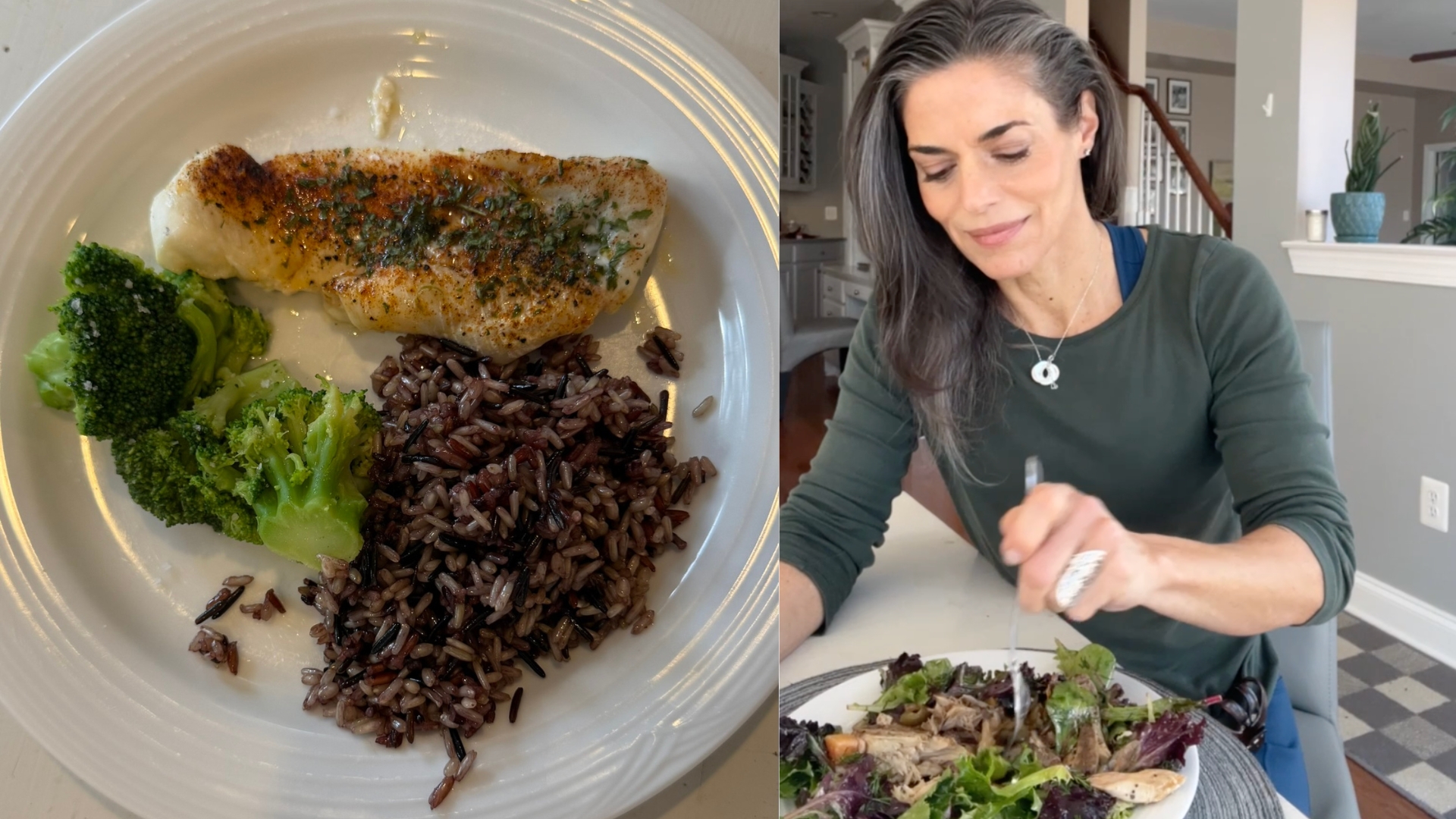
Your gut and brain communicate constantly — if the gut is inflamed, imbalanced, or sluggish, your stress response is heightened.
Fermented foods, bone broth, reduced sugar, mindful eating, and addressing issues like SIBO or dysbiosis help calm the gut-brain axis and reduce anxiety, irritability, and overwhelm. Never underestimate the power of food to heal your gut and bring your body back into homeostasis.

9. Reduce Sensory Overload
Midlife often brings increased sensitivity to noise, clutter, visual chaos, and overstimulation. This is a hard one for many, because we become attached to our 'things,' even if they no longer serve us.
Simplifying your home, reducing clutter, quieting your digital environment, and creating calm spaces — especially in your bedroom — instantly reduces sensory stress.

10. Reduce Cognitive Load
Mental clutter is just as draining as emotional clutter.
Writing things down, planning weekly, creating routines, reducing decisions (think: capsule wardrobe, meal planning), and organizing your schedule can dramatically decrease everyday stress.
What else helps: delegating tasks. When my kids hit first grade, I told them that making their own lunch was a rite of passage and a great responsibility that they were now old enough to take on themselves (of course, I supervised). I've been 'supervising' the making of lunches for 7+ years now (they don't need me anymore) and have absolutely zero regrets about delegating this task to my children. They make smarter and healthier food choices for themselves, and I have more time on my calendar. I've also delegated some household chores to my husband, who does them without complaint.

11. Watch for Hidden Biological Stressors
Certain habits spike cortisol without us realizing it — especially in midlife.
These include caffeine on an empty stomach, skipping meals, overdoing cardio, fasting too aggressively, and dehydration. I used to be a huge fan of fasting - until I realized it spiked my cortisol and was my reason for middle-of-the-night insomnia. I swore by drinking coffee on an empty stomach - thinking creamer could help mitigate the effects - but once I started eating an early breakfast, my sleep also improved. And I can't say enough for hydrating your body properly in midlife, especially in the morning.
Reducing or modifying these habits makes your stress response far more stable.
12. Add More Joy Inputs
Joy isn’t frivolous — it’s nervous system medicine. Usually in midlife, we're so focused on just surviving - caring for aging parents, handling teenagers, work and home life responsibilities - that joy gets shoved aside. Make time to do the things you truly love to do, and you'll feel yourself relaxing and unwinding. It's amazing.
Laughter, hobbies, creativity, music, sunshine, nature, and friend time increase serotonin and help buffer your stress response. The more joy you intentionally build into your life, the more resilient you become. One of my favorite things to do is swinging (the playground version!). Fun story from my late 30s: I was living in Hong Kong, and I remember I'd just finished a big, high-profile meeting. I left the building and made for a taxi to take me back to the office, when I spotted a playground across the street. I crossed the street, dropped my computer bag to the ground, kicked off my heels and in my suit, started swinging! I spent a good 20 minutes flying through air, mystifying children in the nearby classroom, just laughing and having fun. :-D What's your thing that you love to do but probably don't do enough of?

13. Use Breathwork as a Stress Reset
Your breath is the fastest way to shift your nervous system.
Techniques like long exhale breathing, box breathing, 4–7–8 breaths, or the physiological sigh can quickly lower cortisol and signal safety to the body. Again, I'll reference Wim Hof and his breathwork videos on youtube. You can also search up other breathing techniques and I've talked about the power of the physiological sigh as a major stress reliever. I use it whenever I need it!

14. Reduce Social Stress
Relationships are a major source of either regulation or dysregulation. I can't say enough about this: your social media feed should be a powerful tool to inspire and keep you feeling positive. If it's not, please spend some time to curate your social media, and unfollow people or accounts that trigger you. Refocus your media to spend more time with people who feel grounding and supportive to you and your personal goals, which helps to create emotional stability and good feelings of inspiration and optimism.

15. Build in Recovery Days
Midlife bodies need more intentional recovery. Not slowing down creates a chronic stress loop.
Recovery practices — stretching, sauna, mobility work, Epsom baths, or simply a low-effort rest day — help your system reset and your hormones stabilize. Especially as women living in a male-dominated world, it's easy to believe we can do things just like men can. And we can... but at what cost? We are cyclical creatures and we are not "on" all the time. Rest is important and respecting our bodies and our cycles comes first.

Final Thoughts
Reducing stress in midlife is not about doing less of life — it’s about giving your body the support it needs to navigate a new hormonal landscape. These shifts aren’t indulgent; they’re biological, emotional, and hormonal necessities.
When you reduce stress triggers, everything improves: sleep, weight, mood, energy, hormones, motivation, and emotional resilience.
Midlife isn’t a breakdown — it’s a recalibration. And when you learn what your body needs now, everything becomes calmer, clearer, and more aligned. It’s never too late to become the healthiest, strongest, most aligned version of yourself.
x
Juliana
PS - if you have questions? Or you enjoyed this blog post?? I love hearing from you! Drop me a note in the comments below and don't forget to👇 sign up for our monthly newsletter! 👇 We post strategies on how to age well: nutrition, exercise, sleep, HRT, clean beauty, facial exercise & more. 💋
Author