Why Strength Training Is the Single Best Thing You Can Do for Your Body in Midlife
Oct 08, 2026
"Juliana, I walk every day, I do Pilates twice a week, and I never miss my Saturday spin class. Why on earth do I need to lift weights too?"
I get some version of this question almost every week. And honestly? I love it, because the woman asking is already doing so much right. She's moving! She's showing up! But she's frustrated, because she's doing all the things and her body is changing anyway: a softer middle, achier knees, a foggier brain, and the sneaking suspicion that her metabolism packed its bags somewhere around 47.
So here's my answer, and I will die on this hill: if you only have time for one kind of exercise in midlife, make it strength training.
Walking is wonderful and Pilates is lovely. I walk every single day myself. But nothing else touches as many of the systems midlife throws a curveball at: your muscles, your bones, your blood sugar, your heart, your brain, and how you feel living inside your hormones.
Let's get into it.
Wait- What's Actually Happening to My Body Right Now?
Estrogen is anabolic. That means it helps build and protect your muscle and your bone. As it declines through perimenopause and menopause, we lose that built-in protection.
Starting around age 30, we lose roughly 3 to 5 percent of our muscle mass per decade if we're not actively working to keep it, and the menopause transition speeds that loss up. At the same time, our cells get less sensitive to insulin, bone loss accelerates in the years around our final period, and a lot of us start dealing with brain fog, crummy sleep, hot flashes, and that 3pm crash that sends us to the pantry.
That's a lot of moving parts. So you want the one tool that addresses as many of them as possible. That tool is lifting heavy things, consistently, over time.
1. Muscle: Your Metabolic Engine (and Your Independence)
Muscle is metabolically active tissue. It costs your body energy just to keep it around, which means more muscle raises your metabolic floor, even while you sleep.
When we lose muscle in midlife, our metabolism slows down along with it. This is why so many women tell me, "I'm eating exactly the same way I always have, and I'm still gaining weight." Same food, less muscle. The math changed.
And muscle is about so much more than your jeans fitting different. Muscle is what gets you up off the floor at 80. It's what lets you lift your own suitcase into the overhead bin, carry the groceries in one trip, and catch yourself when you trip on the curb.
I know what some of you are thinking: "But I don't want to get bulky." I promise you, lifting heavy won't make you bulky. Bulk comes from lifting AND eating in a calorie surplus, plus a level of testosterone most of us simply don't have in midlife. What you'll get instead is lean, dense muscle that makes you look tighter, more sculpted, and more defined, because muscle takes up less space than fat.
2. Bone Density: The One That Keeps Me Up at Night
One in two women over 50 will break a bone because of osteoporosis. ONE IN TWO. Look around at your friend group, ladies, and get serious. And a hip fracture later in life is no small thing. It can mean surgery, a long recovery, and a real loss of independence.
But here's the silver lining in all this: your bones respond to load. When you put them under the stress of heavy lifting, they adapt by getting denser and stronger.
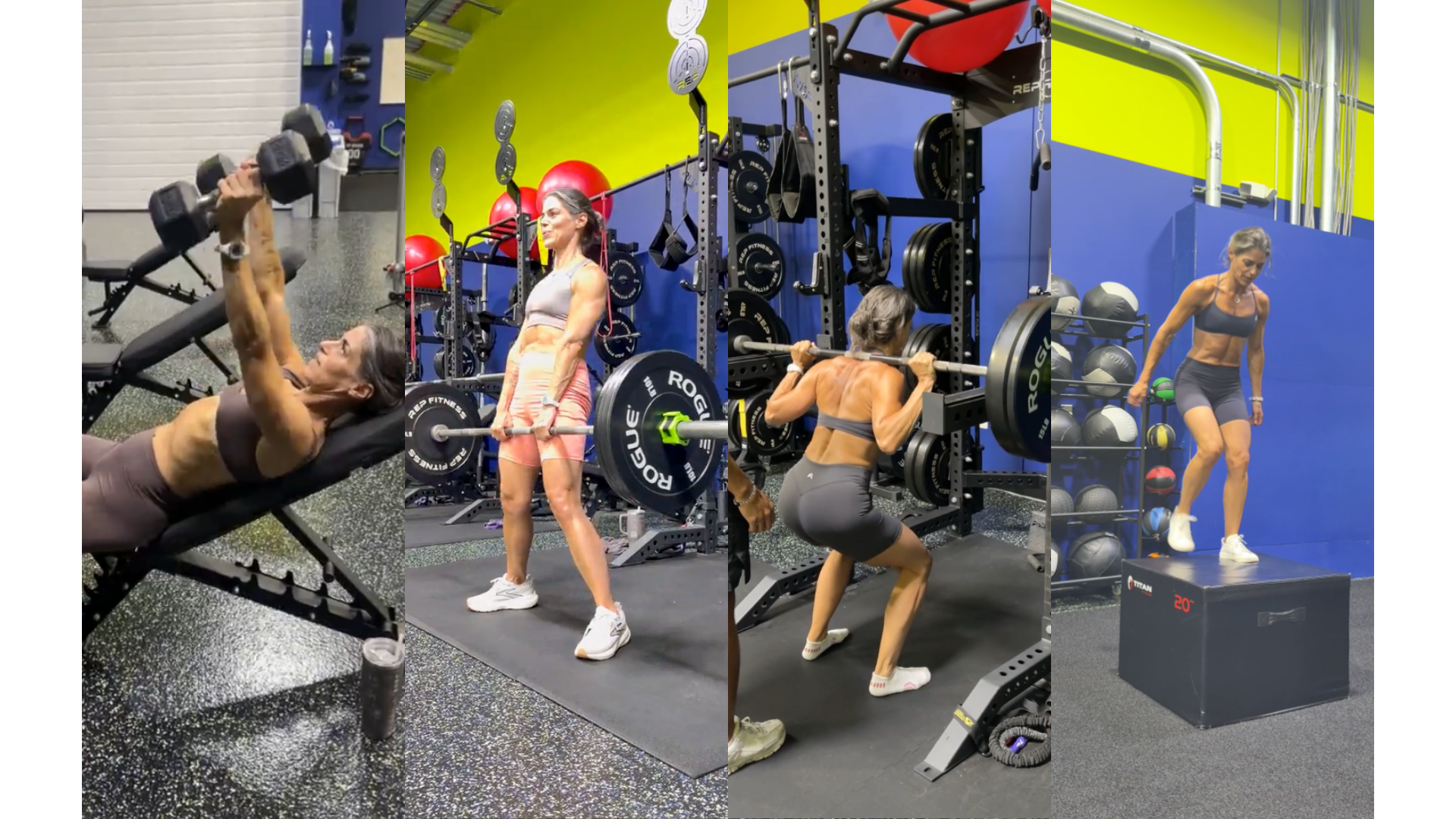
The research on this is exciting. In the LIFTMOR trial, postmenopausal women with low bone mass trained just twice a week for 30 minutes, doing heavy deadlifts, squats, overhead presses and jumping chin-ups at about 80 to 85 percent of their max. After 8 months, their spine bone density went up, while the control group kept losing bone. They even gained a little height back! And this was a supervised program designed for women who already had osteopenia and osteoporosis.
The key word there is heavy. Those cute little pink dumbbells don't give your bones enough of a signal to change. Your bones need a real challenge.
When I think about who I want to be in my 70s, 80s and 90s, I don't want to be rolling up the rugs so I don't trip. I don't want help getting off the sofa, or the toilet, or the floor. So I need to do hard things now so I can be resilient later.
3. Blood Sugar and Insulin Resistance: Muscle Is a Glucose Sponge
This is the benefit that blew my mind when I first learned it.
After a meal, your skeletal muscle is responsible for taking up the large majority of the glucose (sugar) moving through your bloodstream. Muscle soaks it up and stores it as fuel, like a sponge.
So when you have more muscle, you have a bigger sponge. Your blood sugar stays steadier, you get fewer spikes and crashes, and your body is less likely to store that extra sugar as belly fat. And every strength workout improves how well your muscles respond to insulin in the hours afterward.
This matters so much in midlife, because declining estrogen nudges us toward insulin resistance. If you've been blaming your willpower for the 3pm crash and the 9pm pantry raid, take a look at your muscle first. More muscle, steadier blood sugar, fewer cravings.
4. Your Heart: Women Get MORE Out of Lifting Than Men
Heart disease is the number one killer of women, and our risk climbs after menopause. Strength training helps lower blood pressure, improves cholesterol, and reduces inflammation, all of which protect your heart.
But here's the stat that made me sit up straight. A large 2024 study followed more than 400,000 adults for over two decades. Women who did strength training had a 30 percent lower risk of dying from cardiovascular disease and a 19 percent lower risk of dying from any cause. Men who did the same got about an 11 percent reduction in each.
Women got nearly triple the heart benefit. And yet only about 20 percent of women in that study strength trained weekly.
A separate review found that just 30 to 60 minutes of muscle-strengthening activity per week was linked to a 10 to 20 percent lower risk of death from all causes, heart disease and cancer. That's two half-hour sessions a week, ladies!
5. Your Brain: Lifting Is Brain Food
Perimenopause brain fog is real. Walking into a room and forgetting why you're there, losing words mid-sentence, not being able to reach the ideas that are at the edge of your brain... I've been there.
Strength training increases BDNF (brain-derived neurotrophic factor), which is basically fertilizer for your brain cells. It supports the growth of new connections between neurons, which is what keeps your memory and thinking sharp.
In one year-long trial, women aged 65 to 75 who did resistance training once or twice a week improved their executive function (the skills you use to plan, focus, and switch between tasks) compared to women who did balance and toning classes instead.
And a bonus: research consistently shows that resistance training helps reduce symptoms of depression. Your mood is part of your brain health too.
6. Hormonal Balance: What Lifting Can and Can't Do
I'll be straight with you: lifting weights will not bring your estrogen back. Anyone who promises that is selling something.
But it does help your body handle the hormonal chaos of midlife much better:
- Insulin. As we covered, more muscle means better blood sugar control, and insulin is one of the most important hormones in your body.
- Stress. Regular training builds resilience, so your body handles everyday stress better over time.
- Sleep. Women who strength train tend to sleep better, and better sleep helps balance everything else, including hunger hormones.
- Hot flashes. In a Swedish trial, postmenopausal women who strength trained three times a week for 15 weeks cut their moderate to severe hot flashes by about 44 percent. The control group saw no change.
That's less than hormone therapy, which typically relieves around 90 percent of hot flashes. But it's a powerful option, especially for women who can't or don't want to take hormones, and it works right alongside HRT if you do.
"Okay Juliana, But My Knees..."
I hear this one all the time, so let me tell you my story.
At 47, I was diagnosed with early onset arthritis in my knees, hips and hands. I assumed heavy lifting was the last thing I should be doing. But I read the research, hired a smart trainer, and started slowly building up my lower body strength. Within three months, the pain in my knees and hips was gone. My hands? Zero pain.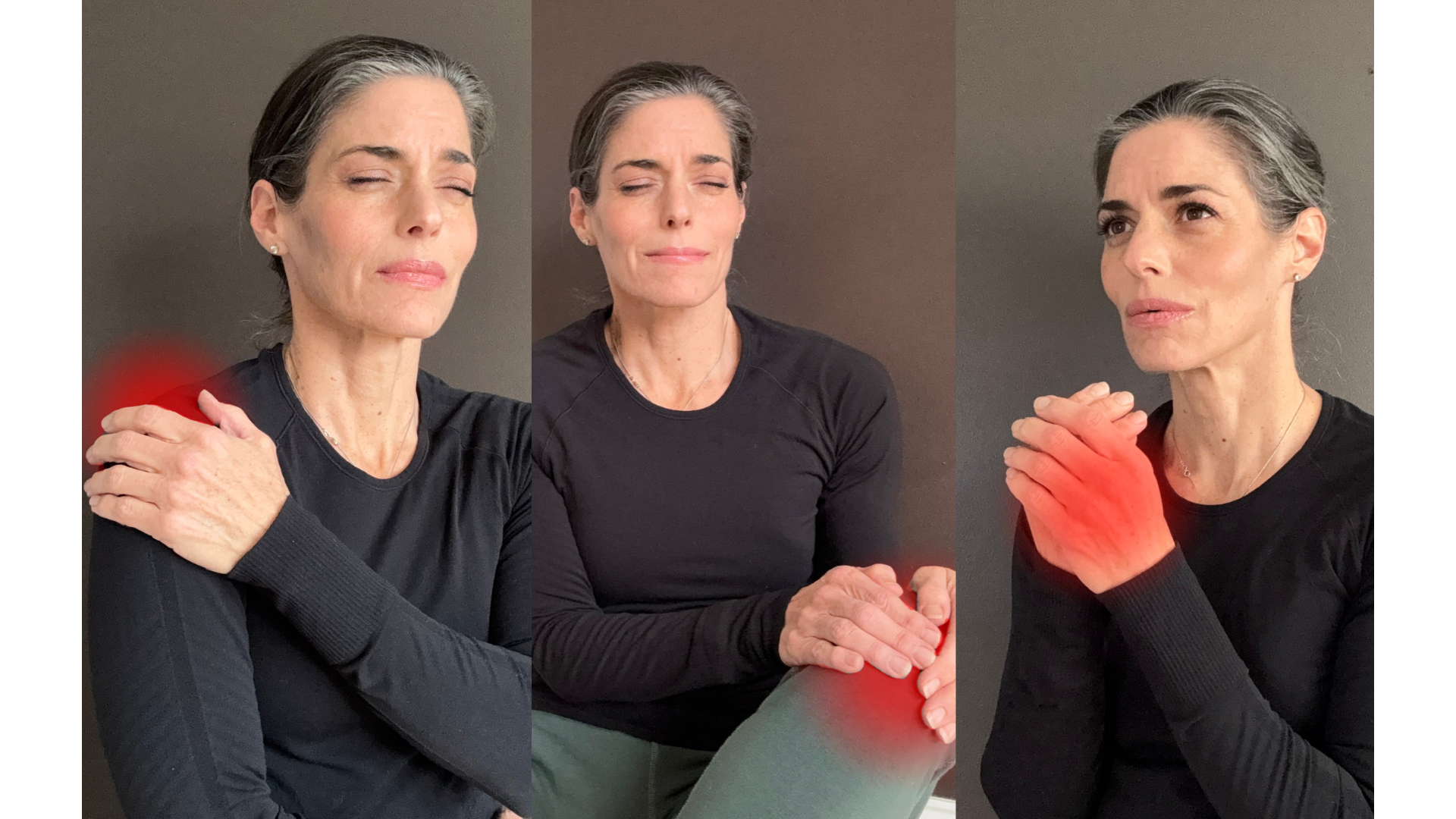
Now this is just a focus group of 1, we're all bio-individual and this is anecdotal, so your experience might be different. But the old advice to rest arthritic joints has been overturned. Appropriate, progressive strength training is now recommended for joint pain, because it strengthens the muscles that support your joints and keeps them moving.
If you're dealing with real pain, please see a physical therapist or sports medicine doctor first. Get your body ready, then build from there.
So How Much Strength Training Do I Actually Need?
Less than you think, but more consistently than you're probably doing it.
- Frequency: Two sessions a week is the minimum to build and keep muscle. Three to four is where things really start to change.
- Intensity: Lift heavy enough that the last two reps of each set are genuinely hard. If you could easily do five more, grab heavier weights.
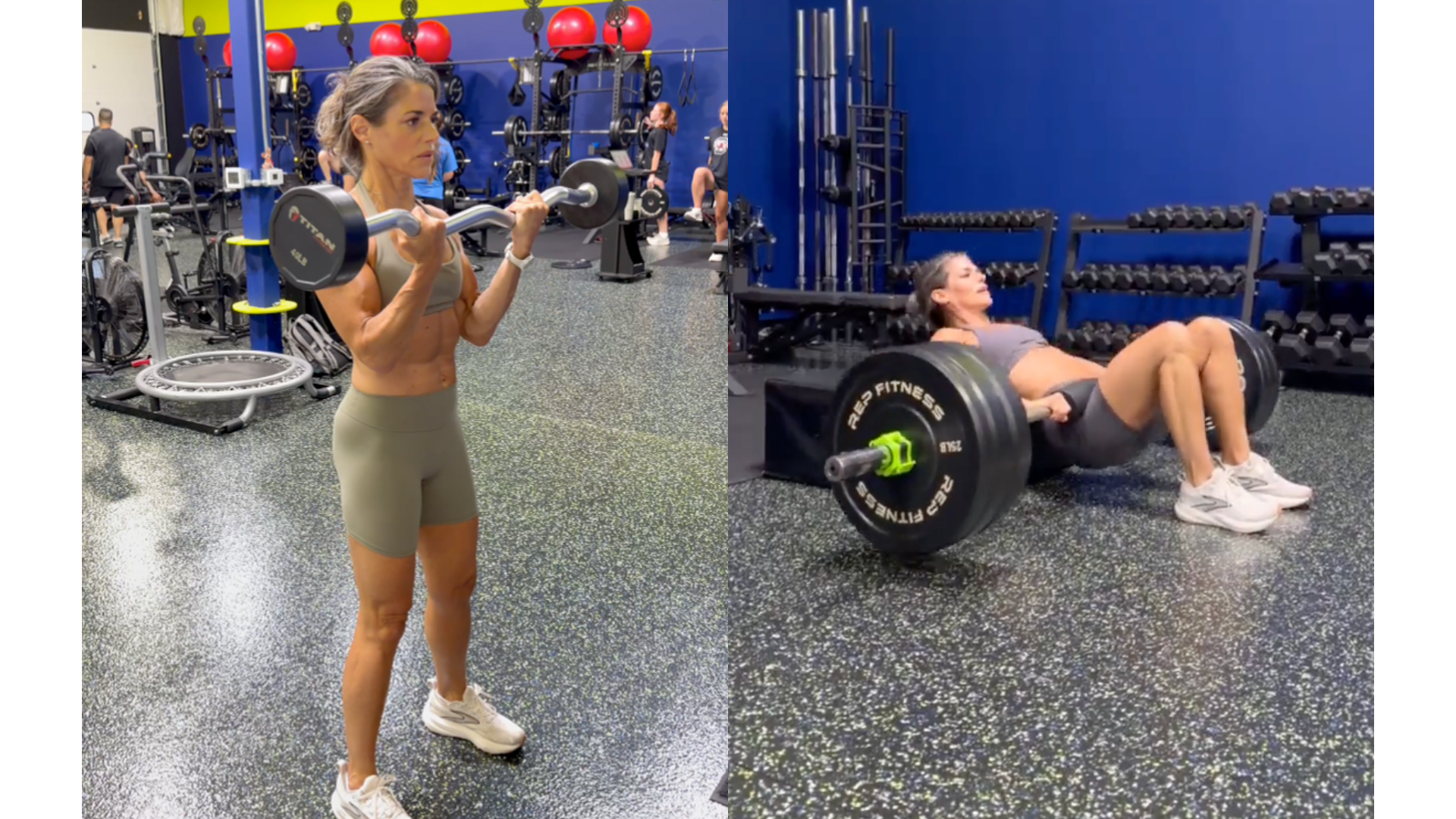
- Exercises: Focus on big, compound movements that work lots of muscles at once: squats, deadlifts, lunges, presses and rows. If these scare you, start with the machines at the gym, or use dumbbells.
- Progression: Gradually add weight or reps over time. That's called progressive overload, and it's how your body keeps adapting.
- Fuel: Eat enough protein (aim for at least 30 grams per meal) so your body has what it needs to build muscle. You can read about protein in my two part series on protein requirements in midlife here and here.
- Walk daily: Strength training is the foundation, but walking is your everyday glue. Aim for 7-10K steps / day.
And give it time. You'll feel the difference first: more energy and better sleep within a few weeks. You'll start to see it between six and twelve weeks. Real body recomposition can take a year or more, and it's worth every single session.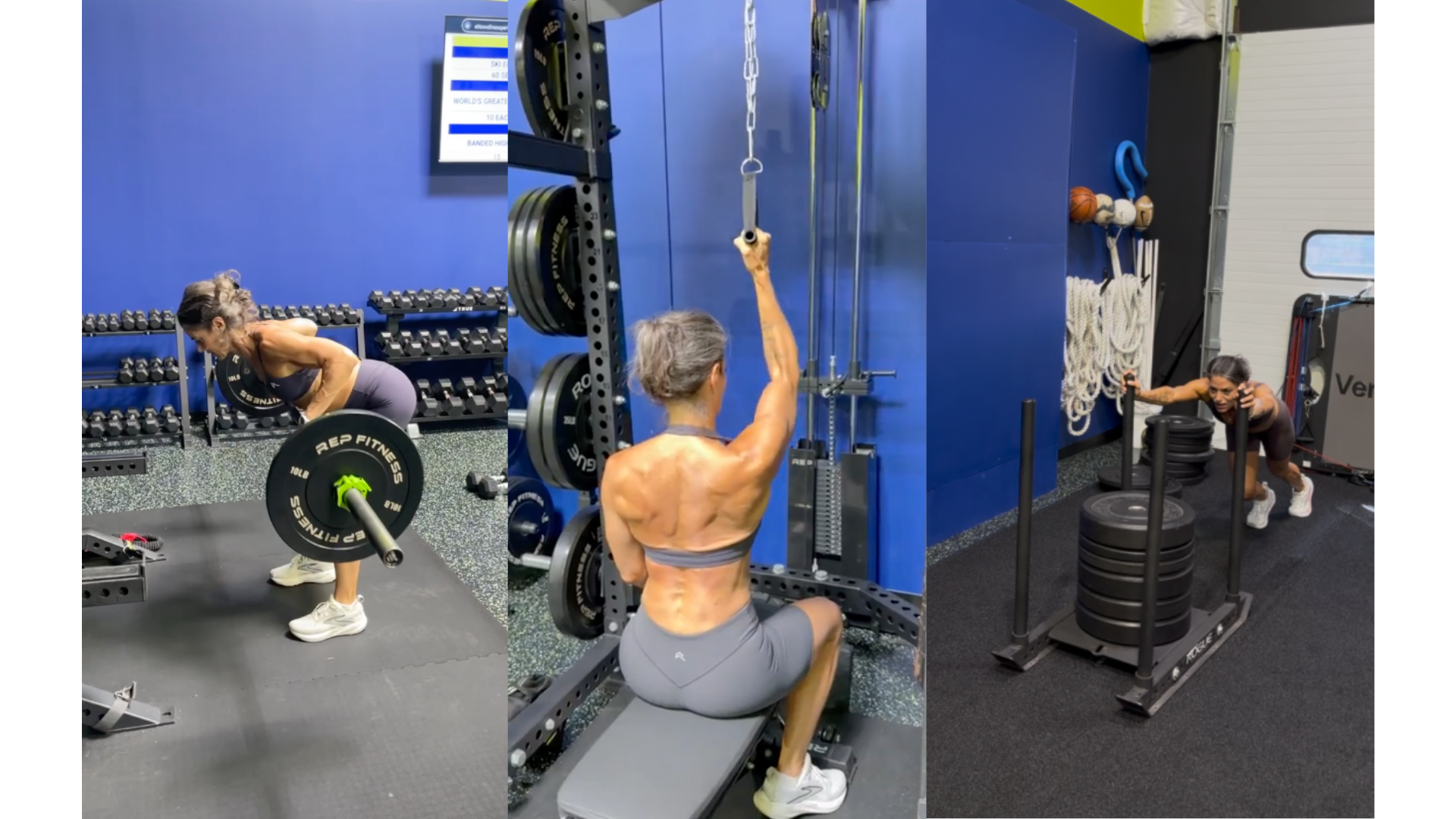
Where to Start
If you've been circling the weight room wondering where to begin, stay tuned because I've got a big surprise for you!
My new fitness app launches in November, and it's built specifically for women like us: women in midlife who want to train to thrive (like 3-4x / week) but don't want to live at the gym every freaking day. Every Sunday you'll unlock a new week of workouts: strength training, mobility, and scheduled rest days, designed for the gym or for home with free weights. You just open the app and press play. No guesswork, no overwhelm.
Join my email list so you're the first to know when it launches, and you'll get my weekly emails on strength, nutrition and aging well in the meantime.
And if you want to go deeper on all of this (strength, nutrition, hormones, sleep and more), get on the waitlist for my Aging Well Naturally Masterclass.
Aging is inevitable. Decline is not. Pick up the heavy weights.
That's all for today; go be great~
x
Juliana
Author